B2B guide for healthcare buyers. Master the procurement of medical consumables: ensure MDR and ISO compliance, optimize your logistics, and select the best suppliers to guarantee care safety.
B2B Medical Consumables Procurement: The Complete Guide for Healthcare Professionals
For a buyer in a healthcare institution, the procurement of medical consumables is a balancing act. It is necessary to guarantee the safety of care and regulatory compliance (MDR, CE marking, ISO) while controlling costs and logistics. This guide provides you with the keys to choosing the right products and partners, thereby protecting your patients, your staff, and your organization.
The Strategic Importance of Medical Consumables in the B2B Healthcare Sector
Strategic procurement of medical consumables is crucial because it directly impacts patient safety, operational performance, and the financial health of your institution. Failing to manage it is not an option: it leads to clinical risks and avoidable additional costs.
Impact on Quality of Care and Patient Safety
A stockout of a critical consumable can lead to postponed procedures, increase the risk of nosocomial infections, and compromise protocols. Conversely, the use of non-compliant or inferior quality products can cause harm to patients and expose professionals. The reliability of supply is therefore inseparable from the mission of care.
Impact on Operational and Financial Performance
Strategic management prevents stockouts, but also costly overstocks and waste due to expiry. It ensures that healthcare professionals always have reliable and compliant devices, which streamlines the work of care teams. Failing to procure effectively can not only harm the institution's reputation but also lead to administrative sanctions or difficulties during accreditation processes. Choosing a reliable distribution partner like Bornova, who understands these issues, is therefore fundamental.
Navigating Regulatory Compliance for Wholesale Medical Consumables (CE, ISO, MDR)
To ensure the compliance of your purchases, you must systematically check three key elements: the CE marking on the product, compliance with the MDR regulation, and your supplier's ISO 13485 certification. These three pillars ensure the safety, performance, and quality of the devices you use.
The CE Marking: The Essential European Passport
The CE marking certifies that the manufacturer declares its product complies with the safety and performance requirements of the European Union. It is the essential passport for any medical device marketed in Europe. For a buyer, the absence of this marking is an immediate reason for refusal.
The Medical Device Regulation (MDR - EU 2017/745): Stricter Requirements
Now in effect, the MDR imposes much stricter requirements than the old directive. It strengthens post-market surveillance, traceability via the Unique Device Identification (UDI), and the need to provide clinical evidence of safety and performance, even for common consumables. A buyer must therefore demand from their supplier a guarantee of full MDR compliance.
The ISO 13485 Standard: The Guarantee of a Controlled Process
This standard does not certify the product itself, but the quality management system (QMS) of the manufacturer or distributor. An ISO 13485 certified supplier demonstrates that it has implemented controlled and reproducible processes for design, production, storage, and distribution. This is a strong assurance of the consistent quality and reliability of the partner.
Supply Chain and Logistics Optimization for B2B Medical Devices
Optimizing your supply chain relies on three actions: precise inventory management to avoid stockouts and additional costs, controlled logistics to preserve product integrity, and end-to-end traceability to ensure safety.
Intelligent Inventory Management
The goal is to avoid both stockouts and overstocks. The use of management software (ERP/WMS) allows real-time stock level tracking, automated ordering, and needs forecasting. Methods such as just-in-time (JIT) can be supplemented by safety stocks for the most critical products, defined in collaboration with the supplier.
Mastering Medical Logistics
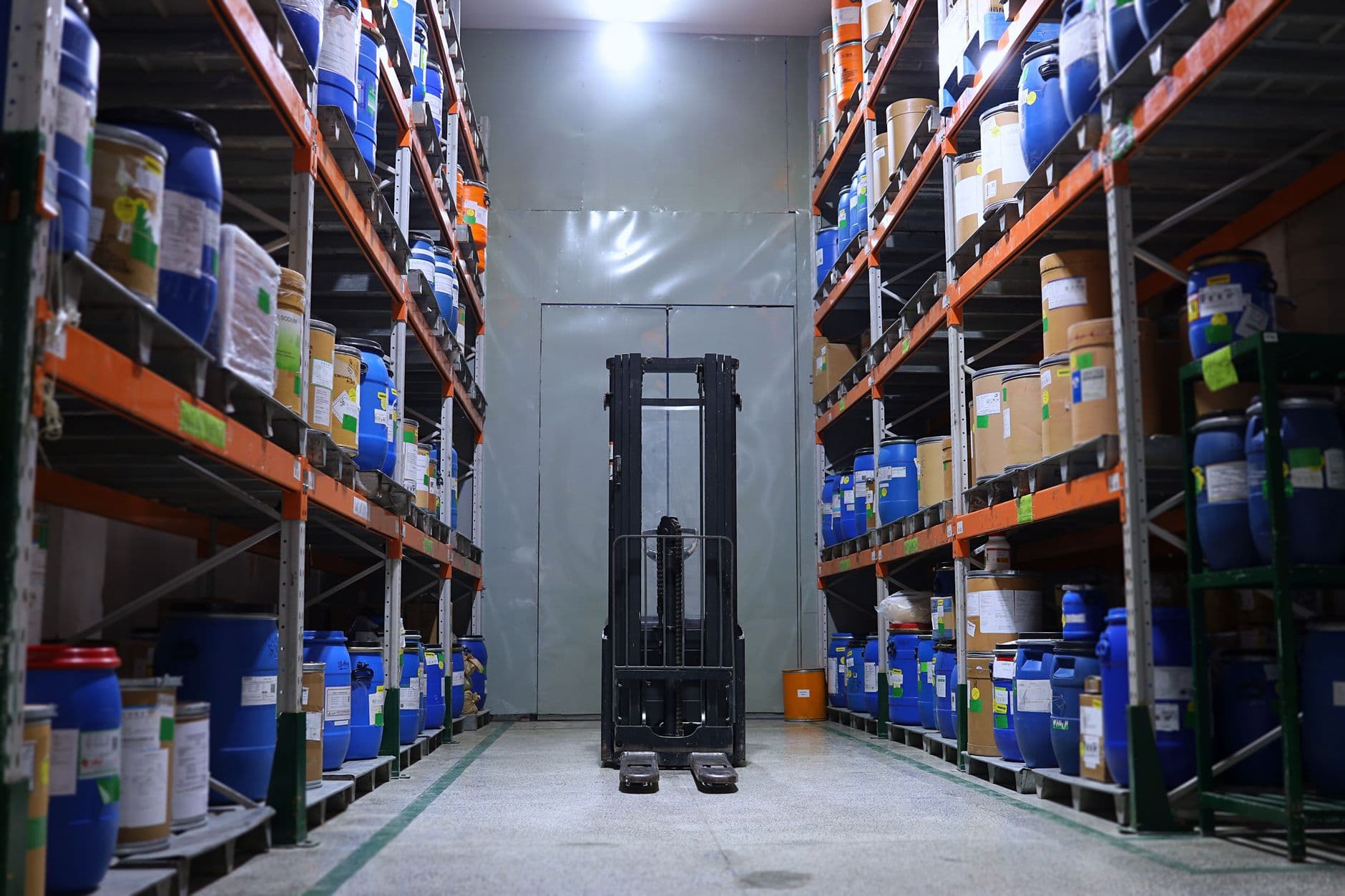
Some medical devices require specific storage and transport conditions (controlled temperature, humidity, light protection). A qualified B2B supplier must guarantee compliance with these conditions throughout the logistics chain to preserve the integrity and effectiveness of the products until their final use.
End-to-End Traceability
Batch tracking and UDI as required by the MDR are crucial. It allows for precise reaction in case of product recall and ensures total transparency on the origin and journey of each consumable. This traceability is a regulatory requirement and a pillar of patient safety.
Essential Criteria for Choosing a Wholesale Medical Consumables Supplier
To choose the right supplier, evaluate them on five essential criteria beyond just price: the validity of their certifications (CE, ISO 13485), the quality of their technical documentation, their logistical performance, the robustness of their quality assurance, and the expertise of their customer support.
Compliance and Certification Audit
Don't settle for an assertion on a website. Systematically request copies of CE conformity certificates for key products and the supplier's ISO 13485 certification. Ensure that the distributor contractually commits to the MDR compliance of its catalog.
Evaluation of Catalog and Technical Documentation
Does the supplier offer a comprehensive range that meets your needs? Is essential documentation (technical data sheets, declarations of conformity, safety data sheets) complete, up-to-date, and easily accessible via an online platform?
Analysis of Logistics Performance
Ask the supplier about their key performance indicators (KPIs): what is their service rate (OTIF)? What are their standard delivery times and their procedure for urgent orders? Do they have sufficient stock in France or Europe to guarantee continuity?
Robustness of Supplier Quality Assurance
A good distributor doesn't just buy and resell. What are their processes for auditing and qualifying their manufacturers? What quality controls are performed upon receipt of goods in their warehouses?
Quality of Support and Expertise
Your sales contact must be an expert, capable of advising you on technical and regulatory aspects. Customer service must be responsive and efficient in managing orders, follow-up, and any disputes. Test their responsiveness before committing.
Risk Management and Quality Assurance in Consumables Procurement
To control risks, quality assurance must continue within your institution. Implement two key processes: systematic control protocols upon receipt and a continuity plan to manage unforeseen events.
Receipt Control Protocols
Implement a systematic control procedure upon receipt of orders. This should include at a minimum: correspondence between the delivery and the purchase order, control of packaging integrity, verification of expiry dates, and recording of batch numbers to ensure complete internal traceability.
Continuity Plan and Contingency Management
Proactive risk management includes diversifying suppliers for critical products (dual sourcing) and implementing clear protocols in case of a batch recall or major disruption to the global supply chain. Discuss these scenarios with your main suppliers.
Technologies and Innovations for Efficient B2B Procurement
Digital technologies, such as e-procurement platforms, make B2B procurement more efficient and less time-consuming. They allow for automated ordering, real-time delivery tracking, and 24/7 access to all documentation, freeing up valuable time for your teams.
Modern B2B platforms like Bornova's allow orders to be placed 24/7, their status to be tracked in real-time, and access to history to simplify reordering. Integration via APIs with hospital information systems (ERP) can fully automate the purchasing cycle, from detecting low stock to invoicing, freeing up valuable time for teams.
Best Practices for a Sustainable Partnership with Your Consumables Distributor
To build a sustainable partnership, establish transparent communication, share your consumption forecasts, and conduct regular performance reviews. A good distributor acts as a partner who advises you on regulatory developments and relevant innovations. For objective selection, rely on factual tools.
Comparative Table of Protection and Disinfection Consumables
Use an analysis grid to compare offers based on objective criteria. Here is an example based on common products:
| Product | Brand | Main Use | Material | Compliance / Standard | Packaging / Origin |
|---|---|---|---|---|---|
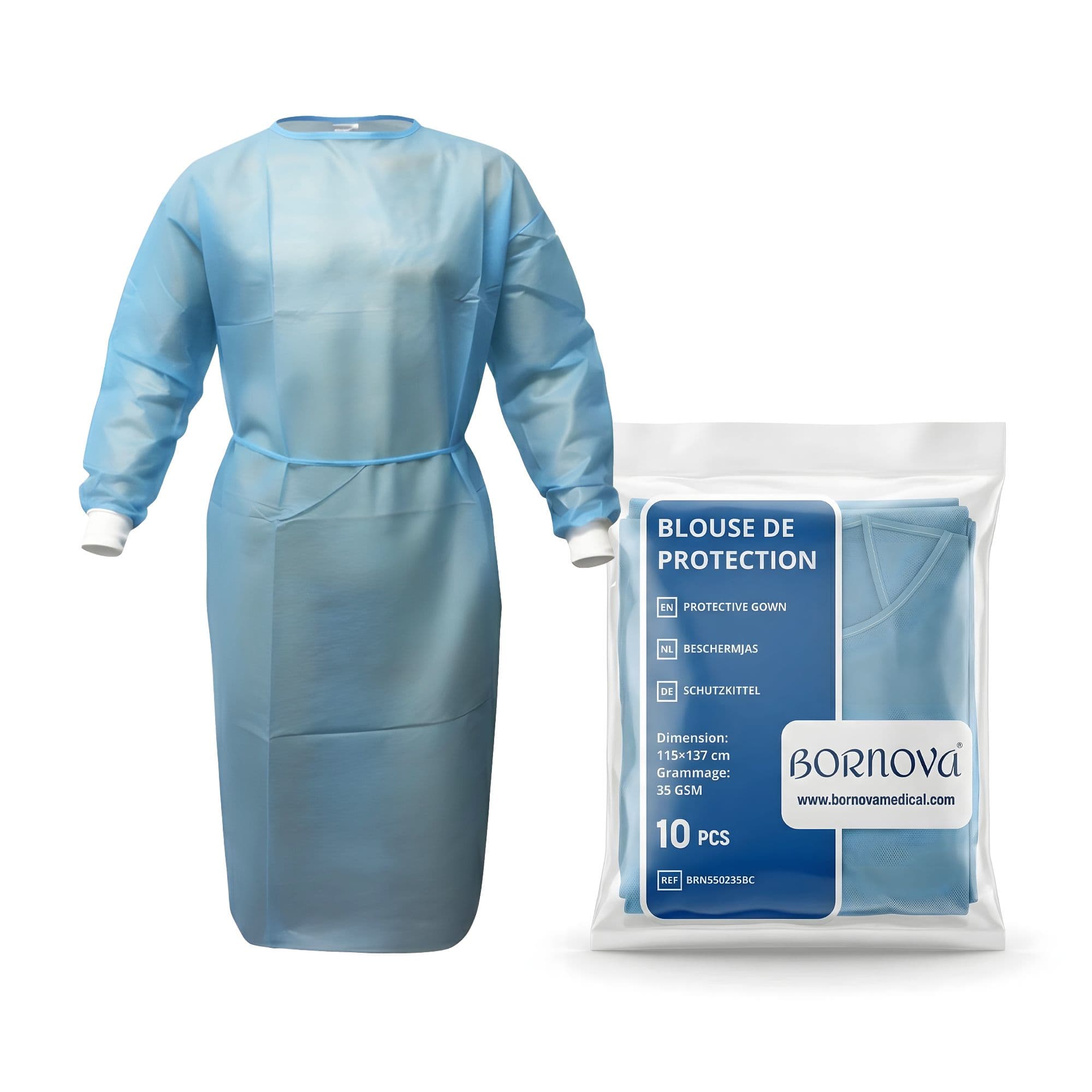
| Disposable Protective Gown | Bornova | Protection against splashes | Non-woven polypropylene | CE, MDR | Individual |
| FFP2 NR Mask | Generic | Respiratory protection (aerosol filtration) | Meltblown non-woven | CE, EN 149:2001+A1:2009 | Box of 20 / Origin PT |
| Alcohol Swabs | Bornova | Skin disinfection before injection | Non-woven, isopropyl alcohol 70% | CE, MDR | Individual sachet |
| Disposable Non-Slip Shoe Covers | Bornova | Floor protection and hygiene maintenance | Non-woven polypropylene | CE, MDR | One size |
Frequently Asked Questions
What are the main regulatory challenges for wholesale medical consumables procurement in Europe?
The major challenge is compliance with the Medical Device Regulation (MDR), which strengthens requirements for clinical evidence, surveillance, and traceability (UDI). Buyers must demand from their suppliers a guarantee of MDR compliance for their entire catalog.
How to optimize medical consumables inventory management to avoid stockouts and overstocks?
Optimization relies on the use of inventory management software, the definition of safety stocks for critical items, and transparent collaboration with your supplier to plan deliveries and refine forecasts.
What criteria should a healthcare institution consider to evaluate the reliability of a medical consumables supplier?
Key criteria are: quality certifications (ISO 13485), product compliance (CE marking, MDR), logistical performance (service rate, lead times), transparency of quality processes, and the expertise of customer service.
How does the traceability of medical consumables impact patient safety and compliance?
Traceability by batch or UDI is essential for medical device vigilance: it allows for immediate withdrawal of a defective product, thus protecting patients. It is also an indispensable regulatory requirement during audits.
What are the implications of the new Medical Device Regulation (MDR) on consumables procurement?
The MDR has strengthened manufacturers' obligations, which may limit the number of available references. Buyers must therefore be more vigilant and demand complete MDR compliance evidence, favoring suppliers who have managed this transition well.
How does Bornova ensure the compliance and quality of its medical consumables?
Bornova implements a rigorous qualification process for its manufacturing partners, based on their certifications (notably ISO 13485) and their full compliance with the MDR. Each product in our catalog has CE marking and all required technical documentation, accessible to our customers. Our logistics system ensures complete traceability and adherence to storage conditions to guarantee the integrity of devices until delivery.
Recommended products
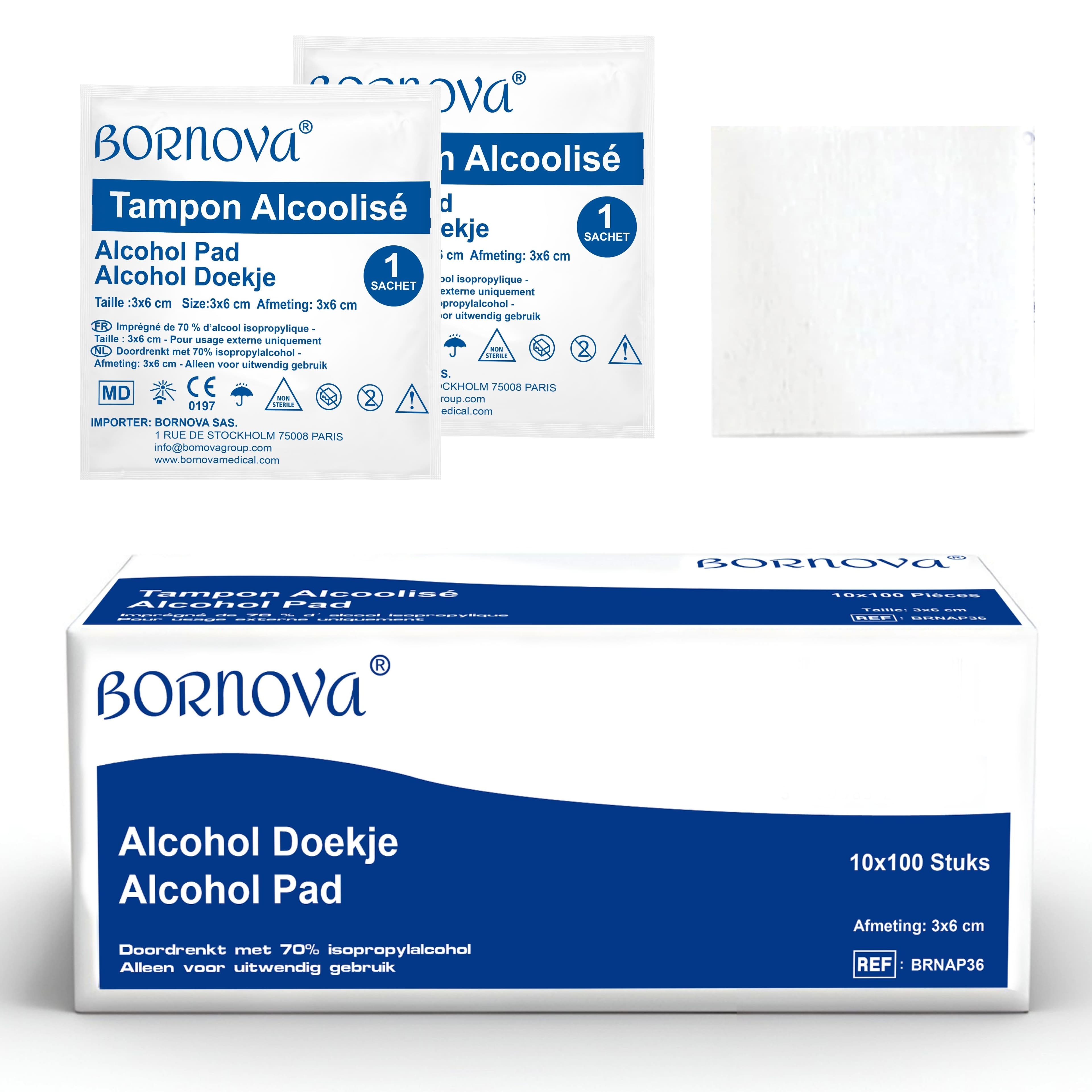
Bornova Alcohol Prep Pads for Skin Disinfection, 3 x 6 cm
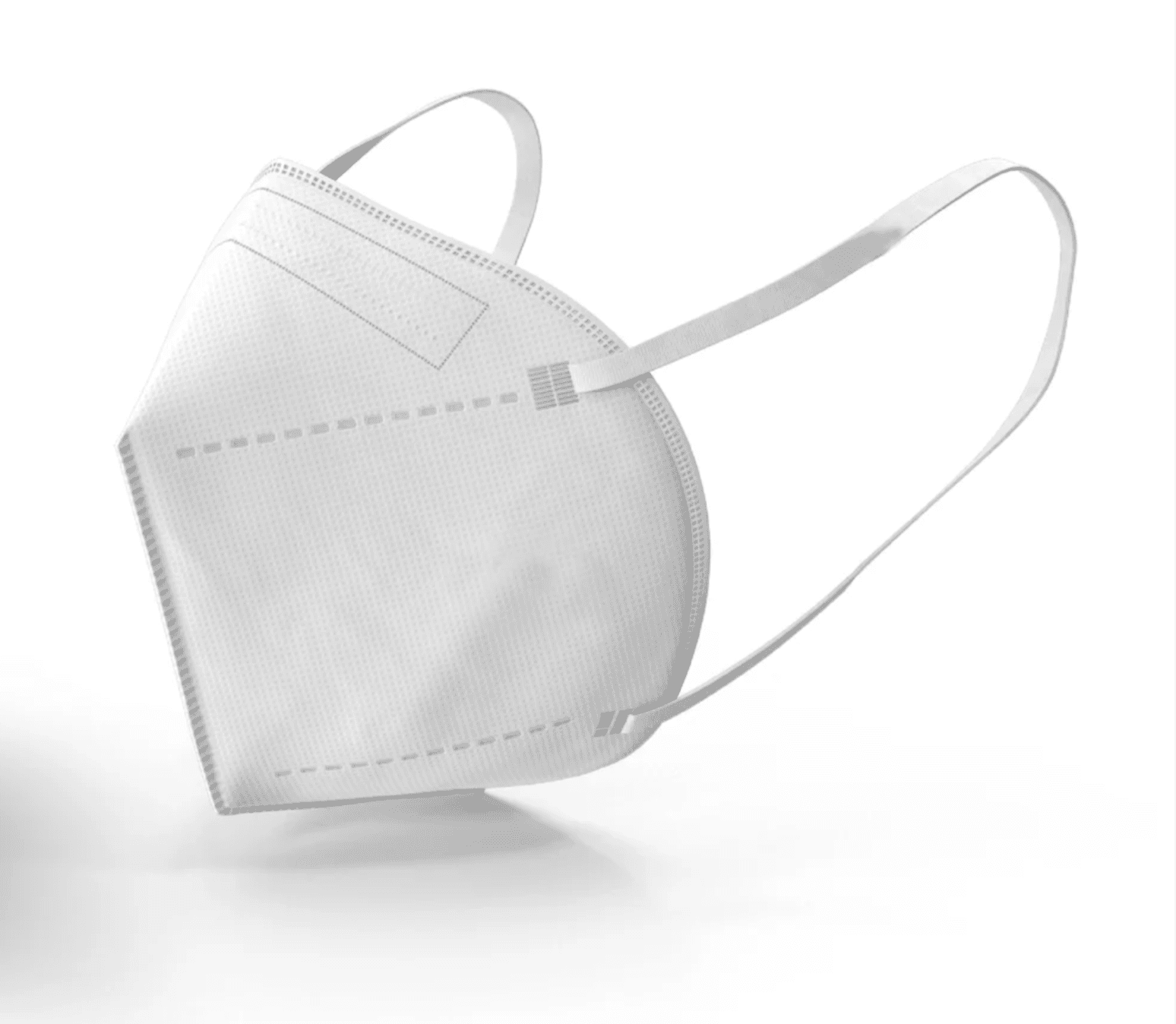
FFP2 NR Mask — Respiratory Protection (Box of 20)