
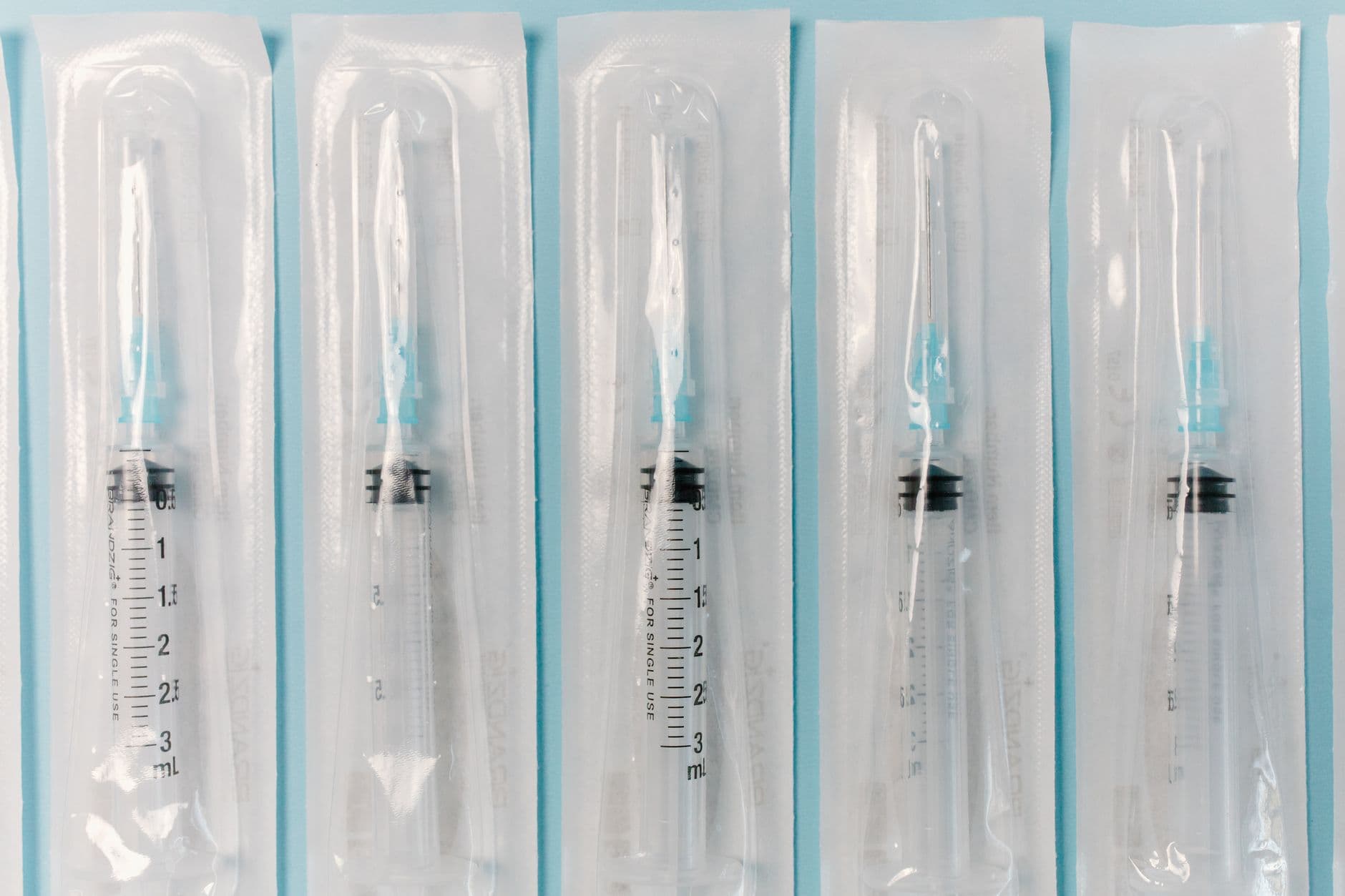
The B2B guide to choosing the right medical syringe. Compare types (Luer Lock/Slip), sizes (gauge, ml), materials, and standards (MDR, ISO). Ensure safety, compliance, and effective care.
How to choose the right medical syringe? A guide for professionals
The choice of a medical syringe is based on 5 key criteria: the tip type (Luer Lock or Slip), volume (ml), needle size (gauge, length), materials, and regulatory compliance (MDR, ISO). Rigorous selection ensures patient safety, dosage accuracy, and compliance for your facility.
Understanding the different types of syringes and their specific uses
The type of syringe is chosen according to the application: connection security, product viscosity, and dosage precision are the decisive factors. Luer Lock tips secure infusions and high-pressure products, while Luer Slip are designed for quick and simple injections.
Luer Slip Syringe (push-on)
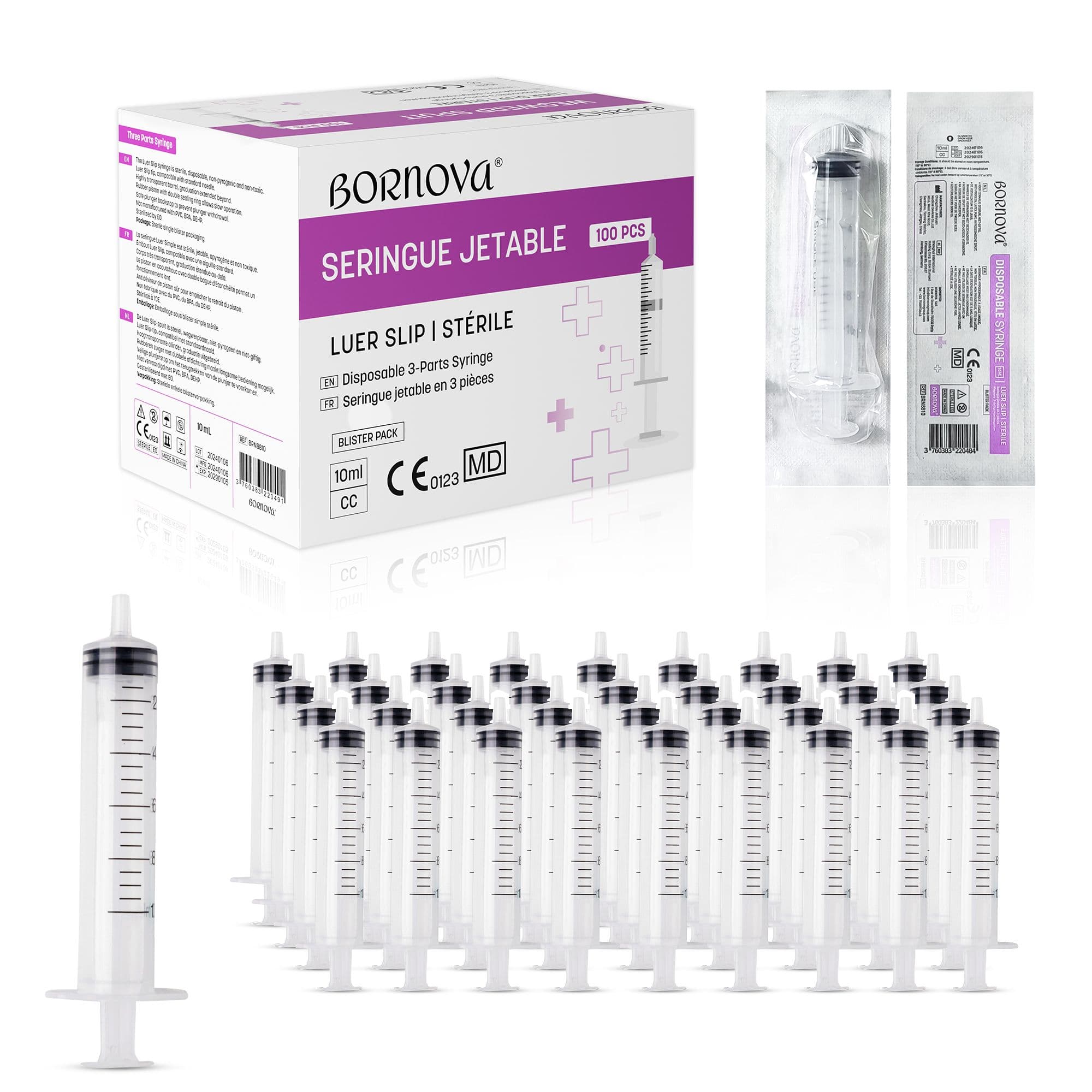
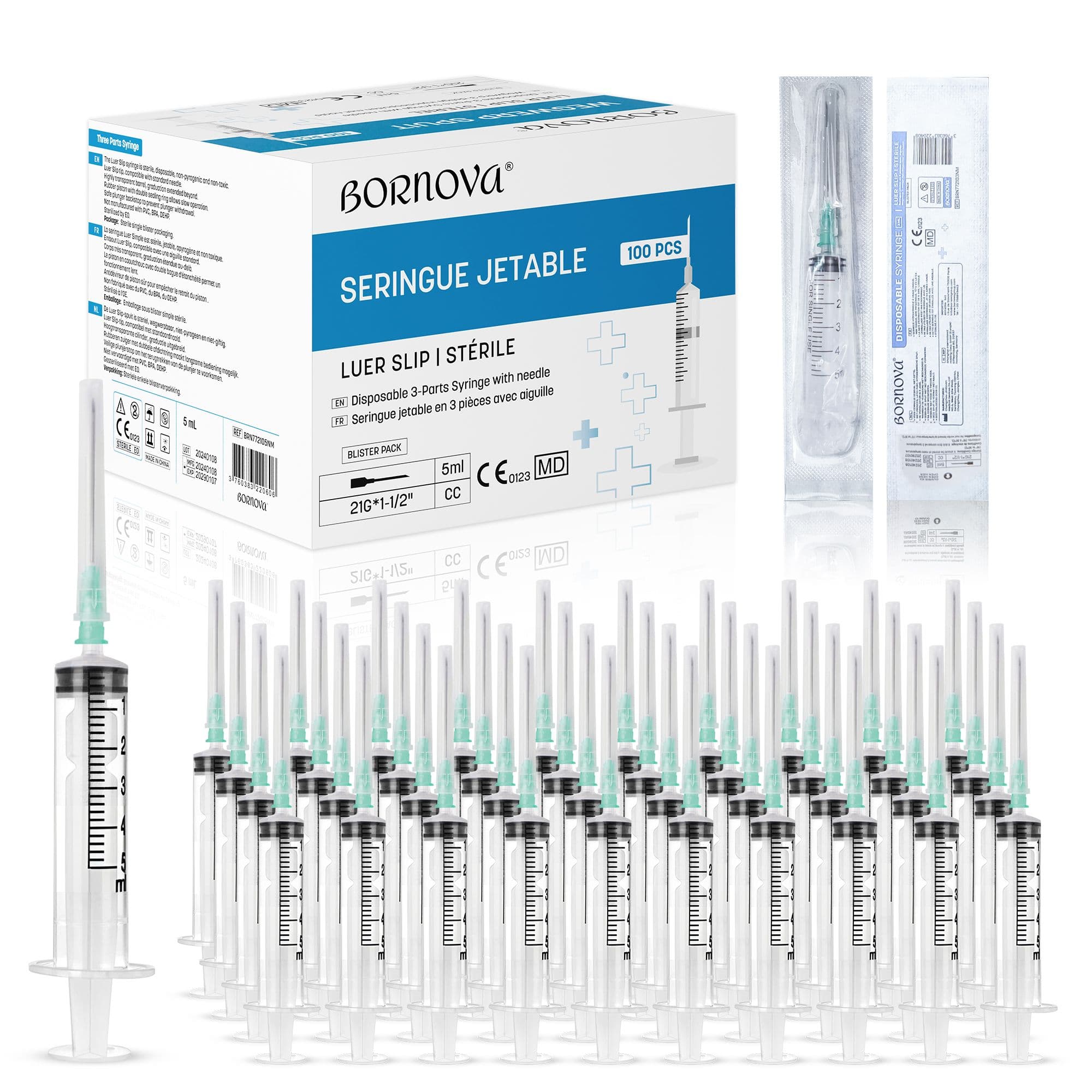
The Luer Slip syringe is ideal for quick, low-pressure injections. Its simple conical tip allows the needle to be pushed on. It is the fastest system to assemble, making it a preferred choice for standard injections (subcutaneous, intramuscular) where the risk of disconnection is minimal. Its use is widespread due to its simplicity and controlled cost.
Luer Lock Syringe (locking)
The Luer Lock syringe is essential for ensuring a tight and secure connection [S7]. Its threaded tip allows the needle or catheter to be screwed on, preventing any accidental disconnection. This system is crucial for administering high-viscosity medications, continuous infusions, or using syringe pumps, where a leak would have serious consequences [S4]. It is also essential for handling dangerous drugs by preventing leaks and aerosolization.
Specific Syringes: Insulin and Tuberculin
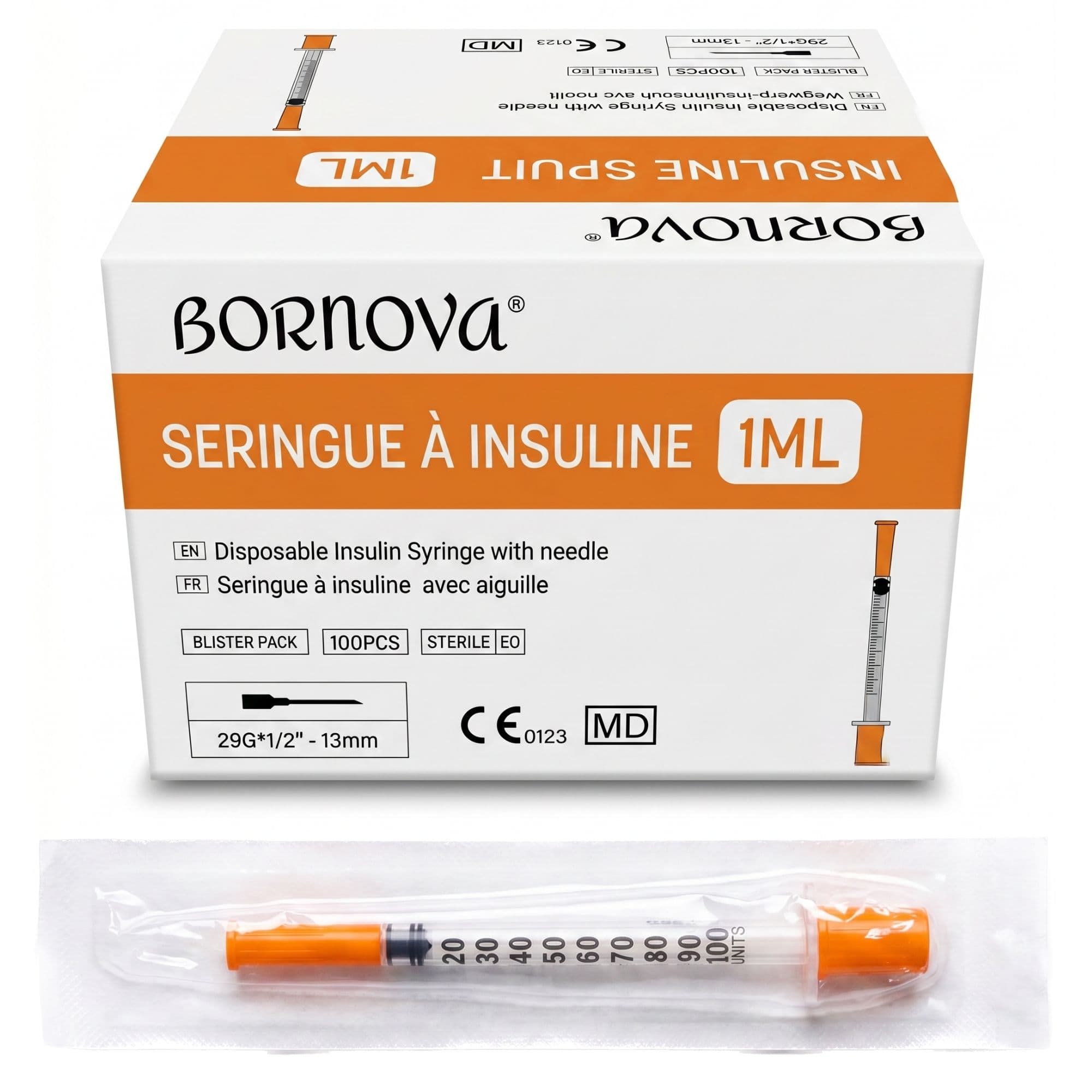
Insulin and tuberculin syringes meet high-precision dosing needs for specific therapies. Insulin syringes, graduated in International Units (UI) and not in milliliters, are designed for self-administration and minimize the risk of dosing errors. Tuberculin syringes, of very small volume (generally 1 ml), allow extremely precise administration of low doses, particularly for skin tests.
Essential criteria for choosing syringe and needle size
The correct syringe and needle size depends on three factors: the volume of the medication (ml), its viscosity (which defines the gauge), and the injection site (which defines the length in mm). Precise selection ensures effective administration, minimizes patient discomfort, and guarantees therapeutic success.
Syringe volume (in ml)
The syringe volume should be as close as possible to the volume to be injected to ensure accuracy. Using a 10 ml syringe for a 0.5 ml dose increases the margin of error and waste. For small doses or potent medications, 1 ml or 3 ml syringes are imperative. Common volumes range from 1 ml to 60 ml.
Needle diameter (Gauge)
The needle gauge (G) is chosen according to the fluid's viscosity: the higher the number, the finer the needle [S6]. A fine needle (e.g., 27G to 30G) is less traumatic and suitable for aqueous liquids. A thicker needle (e.g., 18G to 21G) is necessary for viscous substances or blood sampling.
Needle length (in mm)
The needle length is determined by the depth of the target tissue and the patient's build [S8]. An unsuitable choice can compromise treatment effectiveness by injecting the product into the wrong tissue (e.g., SC injection instead of IM).
- Intradermal (ID): 10-15 mm for a superficial injection into the dermis (skin tests).
- Subcutaneous (SC): 12-16 mm to reach the adipose tissue under the skin, with shorter needles for thin patients.
- Intramuscular (IM): 25-40 mm to reach deep muscle, adjusting according to the site (deltoid vs. gluteal) and the patient's BMI.
Decision Table: Choosing syringe and needle by injection type
| Injection Type | Common Site | Recommended Gauge (G) | Recommended Length (mm) | Typical Volume (ml) |
|---|---|---|---|---|
| Intradermal (ID) | Forearm | 26 - 28 G | 10 - 15 mm | 0.1 - 0.5 ml |
| Subcutaneous (SC) | Abdomen, thigh | 25 - 30 G | 12 - 16 mm | < 2 ml |
| Intramuscular (IM) | Deltoid, gluteal | 21 - 23 G | 25 - 40 mm | < 5 ml |
| Intravenous (IV) | Arm vein | 18 - 22 G | 25 - 40 mm | Variable |
Materials and technical characteristics: impact on safety and performance
The safety and performance of a syringe depend on its materials and technical design. Medical-grade polypropylene is the standard for its neutrality, but sterility, latex-free composition, and clear graduations are equally essential criteria.
Materials: Polypropylene and synthetic rubber
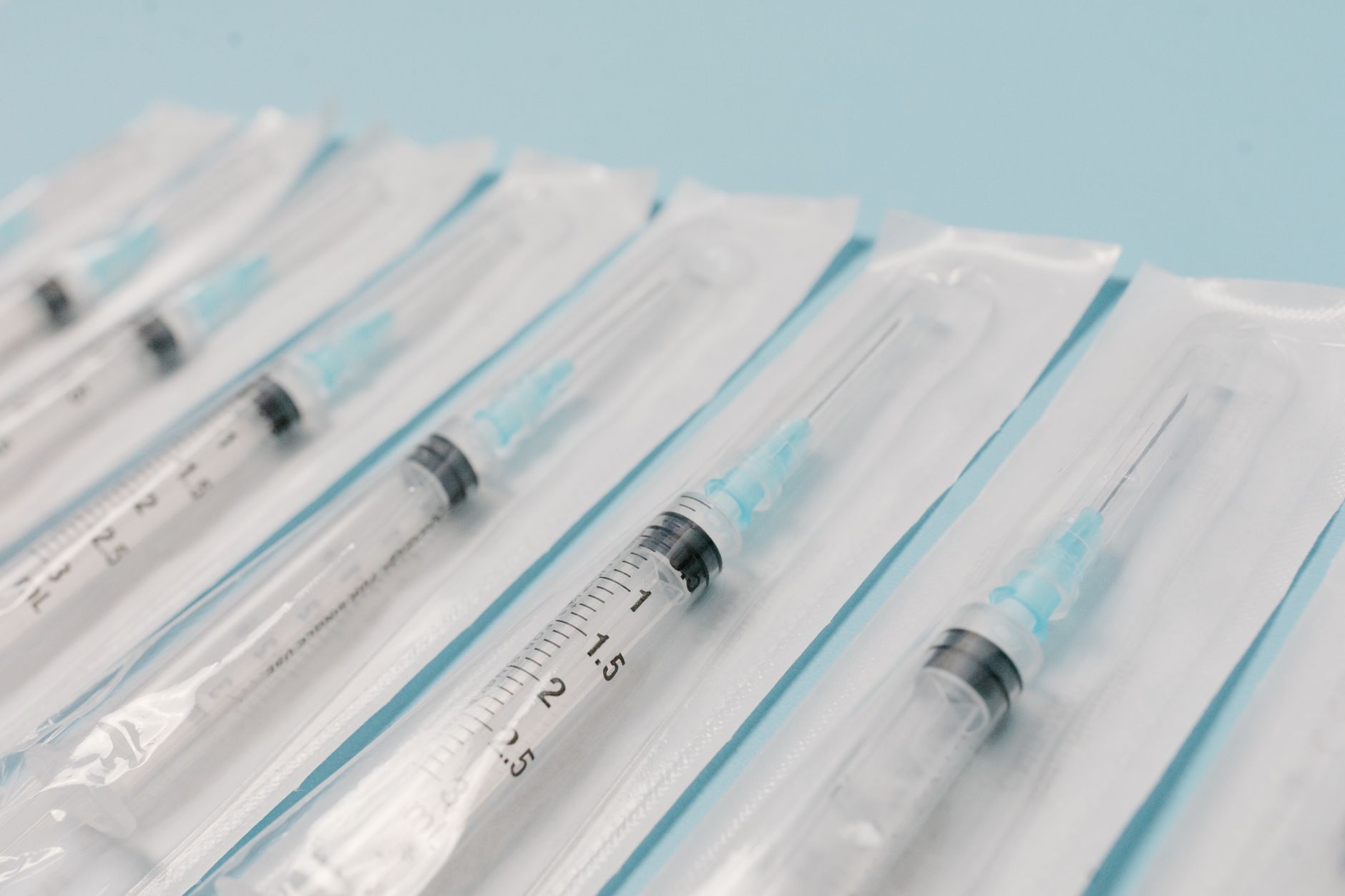
Single-use syringes are made of medical-grade polypropylene, a transparent and chemically inert plastic that does not interact with medications. This transparency is essential for visualizing the liquid and detecting air bubbles. The piston seal, made of synthetic rubber (often latex-free), ensures a perfect seal and controlled glide, thus preventing allergic reactions.
Sterility and single-use: an absolute rule
Every medical syringe must be sterile and for single use, an absolute rule to prevent infections. Sterilization (by ETO ethylene oxide or R irradiation) is indicated on the packaging, whose integrity must be checked before each use. The single-use principle prevents healthcare-associated infections (HAIs) and cross-contamination, in accordance with health authority recommendations [S3].
Regulatory standards and certifications: ensuring compliance and quality
Regulatory compliance is a non-negotiable responsibility for any professional buyer. Syringes must imperatively bear the CE marking, attesting to their conformity with Regulation (EU) 2017/745 (MDR). Manufacturer ISO certification and complete traceability are also indispensable quality guarantees.
CE marking and Medical Device Regulation (MDR)
The CE marking certifies that the syringe meets EU safety and performance requirements. Since 2021, the Medical Device Regulation (MDR) imposes reinforced requirements for surveillance and traceability. Purchasing MDR-compliant products is a guarantee of safety for your facility.
ISO standards and traceability
Standards such as ISO 7886 govern syringe design, while ISO 13485 certifies the manufacturer's quality system. Traceability, ensured by a unique lot number on each package, is essential. It allows tracing the production chain in case of a defect and carrying out targeted recalls, a pillar of safety that will be reinforced by the future European database EUDAMED.

Comparative Table of Reference Syringes
| Model | Tip Type | Needle | Available Volumes | Key Certifications |
|---|---|---|---|---|
| Dosage Syringe Luer Slip | Luer Slip | Without needle | 3 ml, 5 ml, 10 ml | CE |
| Dosage syringe with needle | Luer Slip | With mounted needle (21G) | 3 ml, 5 ml, 10 ml | CE |
| Insulin Syringe | Fixed (specific) | With mounted needle | 0.5 ml, 1 ml (graduated in UI) | CE |
Clinical use cases: syringes for injections, infusions, and sampling
In practice, the choice of syringe is directly dictated by the medical act to be performed. Adapting the material to the procedure is a key factor in the quality and safety of care.
- General injections (IM, SC): 3 ml or 5 ml Luer Slip syringes are the most common for their speed and versatility.
- Infusions and syringe pumps: Luer Lock syringes (10 ml to 60 ml) are mandatory for connecting to infusion lines or syringe pumps, to prevent any disconnection and ensure a secure flow rate [S4].
- Vaccination: 1 ml or 3 ml syringes with an adapted needle (e.g., 23G or 25G of 25 mm) are typically used to administer small volumes intramuscularly.
- Sampling: A Luer Lock syringe can be used for blood sampling from fragile veins, allowing fine control of aspiration, although vacuum systems are the norm.
Common mistakes to avoid when purchasing and using syringes
Certain purchasing or usage errors, even minor ones, can compromise patient safety and dosage accuracy [S3]. Constant vigilance is required to avoid risks of infection or therapeutic failures.
- Underestimating the importance of the tip: Using a Luer Slip for an infusion is a critical error that can lead to leaks and disconnections.
- Choosing too large a volume: Injecting 0.2 ml with a 10 ml syringe makes the measurement imprecise and increases the risk of error.
- Ignoring the expiration date: Sterility is only guaranteed until the indicated date. An expired product exposes the patient to an infectious risk.
- Neglecting packaging integrity: A damaged individual sachet means the syringe is no longer sterile and must be discarded.
Tips for procurement and stock management in clinics and pharmacies
Effective syringe stock management relies on standardizing references, forecasting needs, and choosing a reliable supplier. This strategic approach ensures the availability of compliant products while controlling costs, as detailed in this B2B medical procurement guide. Standardizing references reduces errors, simplifies training, and optimizes purchases. Consumption analysis and rigorous stock rotation (FIFO) prevent expirations. Choosing a distributor guaranteeing MDR compliance and robust logistics is a key factor in securing supplies.

Frequently Asked Questions
What is the difference between a Luer Lock and Luer Slip syringe and when to use each?
The Luer Slip syringe has a smooth tip for quick push-on connection, ideal for simple injections. The Luer Lock has a screw-on tip that locks the needle, an essential safety feature for infusions, syringe pumps, or viscous fluids [S7].
How to choose the right needle size (gauge and length)?
The gauge (G) depends on the product's viscosity: a high number (e.g., 27G) for a liquid fluid, a low number (e.g., 21G) for a thick product. The length (mm) depends on the injection site (subcutaneous, intramuscular) and must be adapted to the patient's morphology [S6].
What sterility and safety criteria should be checked when purchasing syringes in bulk?
Systematically check the CE marking, compliance with the MDR regulation, the
Sources
- guide de bonnes pratiques pour la prévention des infections ...sante.gouv.fr
- Dispositifs de perfusion à domicile et prestations associéeshas-sante.fr
- Guide complet : Tailles des aiguilles pour les injectionstopkeymedical.com
- Quelle seringue choisir? Tous les types de seringues | Blogdhmaterialmedico.com
- Guide pour une meilleure sécurité ...fenwayhealth.org
Recommended products
Continue reading
 Incontinence
Incontinence: A Purchasing Guide for Clinics and Pharmacies
A practical guide for clinic and pharmacy buyers. Discover how to choose the right incontinence devices by balancing clinical needs, regulatory compliance, and logistical efficiency to improve care quality.
 Oxymètre de Pouls
Choosing Your Oximeter: A Professional Buyer's Guide for Clinics & Pharmacies
A comprehensive guide to choosing the right professional pulse oximeter. Compare types (fingertip, remote sensor), understand key criteria (SpO2, PI, plethysmography), and standards (CE MDR, ISO 13485) for a reliable purchase in clinics or pharmacies.