
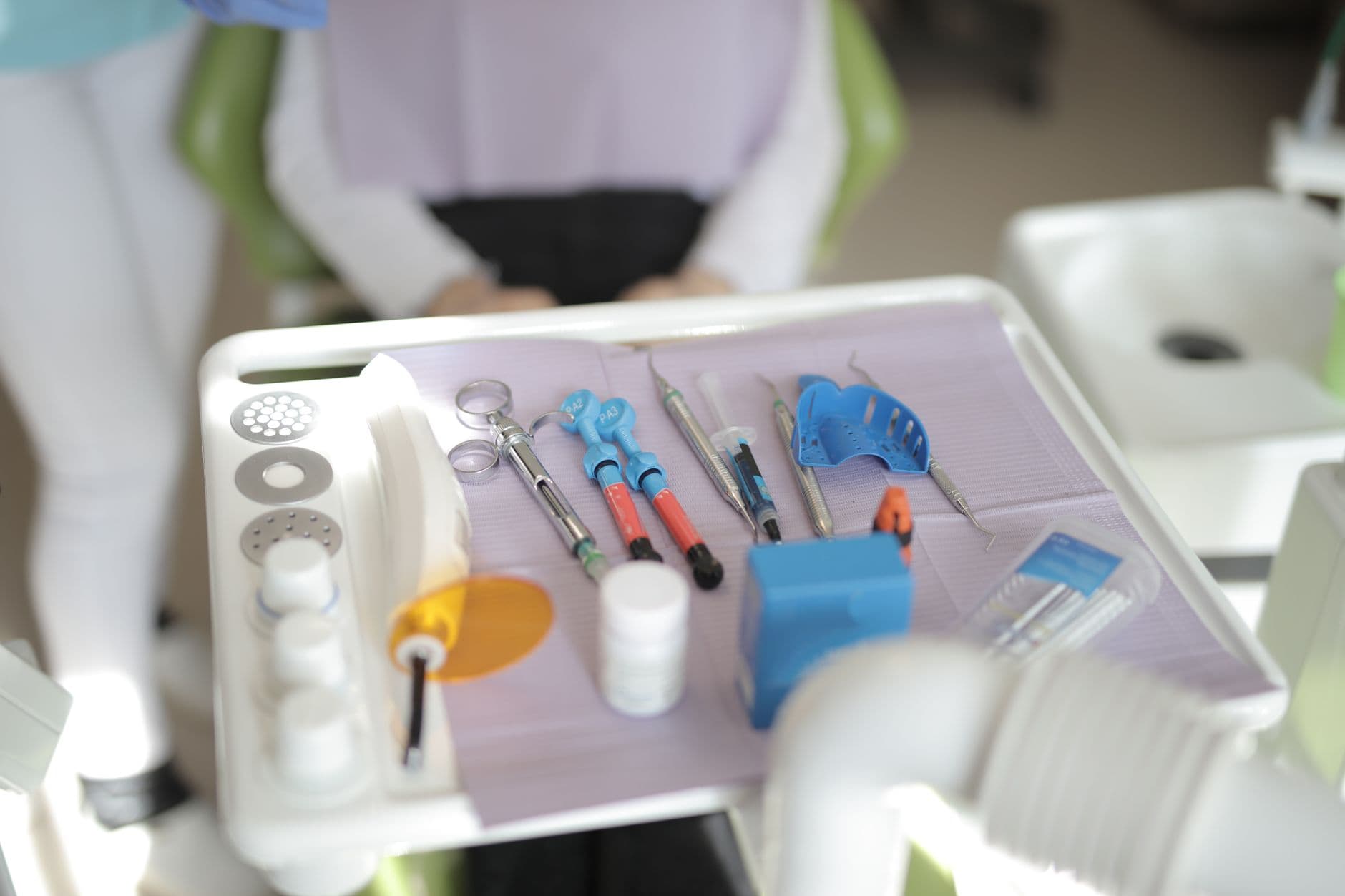
For professional buyers, securing the supply of oral care devices is a matter of safety and performance. This guide covers essential points: regulatory compliance (MDR, CE), supplier selection, and logistics optimization.
To optimize the wholesale procurement of oral care devices, a methodical approach is essential. It relies on three pillars: rigorous selection of verified suppliers, mastery of regulatory compliance (MDR, CE standards), and efficient B2B logistics. For clinics, pharmacies, and hospital buyers, this strategy ensures patient safety, continuity of care, and cost control.
The Crucial Importance of Oral Health in the B2B Healthcare Sector
Oral health is a pillar of overall health, not just a specialty. Its impact on the healthcare system makes it a major public health issue. According to the World Health Organization (WHO), oral diseases, such as cavities and periodontal diseases, are among the most prevalent non-communicable diseases worldwide [S4]. For professional buyers, ensuring constant access to high-quality oral medical devices is not just a clinical necessity; it is a direct contribution to care safety, in line with the frameworks defined by the Ministry of Health [S2].
Navigating Wholesale Oral Care Device Procurement: Challenges and Solutions
To overcome the challenges of wholesale procurement, the solution is to collaborate with specialized B2B distributors who act as a quality filter. Buyers face unique difficulties: managing a highly diverse catalog (from post-operative toothbrushes to sterile mouthwash), protecting against non-compliant or counterfeit products, and preventing stockouts. The complexity of the global supply chain requires selecting partners capable of supplying products from verified manufacturers [S7]. A specialized distributor must offer complete traceability, strict qualification processes for their suppliers, and efficient inventory management systems to anticipate needs.
Regulatory Compliance and Quality Standards: An Imperative for Oral Care Devices
Regulatory compliance is the non-negotiable assurance of patient safety. For a professional buyer, it is not just a formality, but an active responsibility that commits to the safety of care.
The MDR 2017/745 Framework and CE Marking: The Foundation of Compliance
CE marking, governed by the Medical Device Regulation (MDR 2017/745), is mandatory for all devices marketed in the EU. However, the mere presence of the logo is not enough. A B2B buyer must systematically demand the manufacturer's EU Declaration of Conformity to ensure that every product, from dental floss to complex solutions, complies with current standards. To go further, it is essential to understand medical device regulations and know the distributor's obligations.
Beyond CE: Specific Certifications and Traceability
For critical claims such as sterility, additional guarantees are necessary. The buyer must demand concrete evidence, such as batch sterilization certificates, to rule out any infectious risk. Certifications like ISO 13485, although not targeting the product itself, attest to the rigor of the manufacturer's quality management system. Product selection must be based on clear certifications and flawless traceability.
B2B Logistics for Oral Care Products: From Warehouse to Dental Office
Efficient B2B logistics ensures that the right products arrive at the right place, at the right time, and in perfect condition. It relies on four essential pillars:
- Batch traceability: Essential for materiovigilance, it allows for the rapid and precise withdrawal of a defective batch from the market.
- Expiration date management: An effective system minimizes waste and ensures that only valid products are in stock.
- Compliance with storage conditions: Adherence to the cold chain or specific conditions (temperature, humidity) is imperative for sensitive products.
- Delivery reliability: A reliable logistics partner helps reduce storage costs, prevent stockouts, and ensure continuity of care.
These elements are at the heart of an effective purchasing strategy, as detailed in the complete guide to B2B medical procurement.
Criteria for Selecting a B2B Supplier of Oral Care Devices
Choosing a B2B supplier is a strategic decision that goes beyond simple purchasing. Evaluation must be based on objective criteria to secure your supply chain and ensure the quality of care. A reliable partner offers expertise, transparency, and reliability that protect your establishment. For a detailed analysis, consult our guide on how to choose your medical equipment supplier.
Oral Care Device Validation Checklist
| Criterion | Points of Vigilance | Practical Case: Bicalan Sterile Mouthwash |
|---|---|---|
| Regulatory Compliance | CE marking and MDR 2017/745 compliance. Demand the EU Declaration of Conformity. | The product has CE Marking, attesting to its conformity. |
| Specific Certification | Evidence for critical claims (sterility, biocompatibility) via batch certificates. | The mention STERILE is a certified characteristic, essential for safe post-operative use. |
| Traceability & Origin | Clear and visible lot number, expiration date, and origin on the product. | Origin France (FR) is a guarantee of compliance with European manufacturing standards. Batch traceability is ensured. |
| Packaging & Use | Packaging adapted to professional use, guaranteeing product integrity. | Packaged in a 390 ml bottle, a format suitable for the needs of a care service or clinic. |
| Supplier Documentation | Quick access to complete documentation (technical sheet, declaration of conformity). | The supplier must make all regulatory documentation available upon buyer's request. |
Trends and Innovations in the Professional Oral Care Market
The market is evolving rapidly, driven by innovations such as digital dentistry and biocompatible materials. To stay at the forefront, B2B buyers must partner with agile distributors capable of quickly integrating these new technologies into their catalog and providing the necessary technical support. Technology watch thus becomes a selection criterion as important as logistics.
Frequently Asked Questions
What are the main challenges related to wholesale procurement of oral care devices for dental clinics?
The major challenges are ensuring quality and compliance for large volumes, managing a diverse inventory to avoid stockouts, protecting against counterfeits, and controlling logistical costs.
How to ensure regulatory compliance of oral care devices purchased wholesale?
By systematically demanding the EU Declaration of Conformity in addition to CE marking and by selecting distributors who prove their own compliance with MDR 2017/745 and their ability to provide complete traceability.
What are the essential criteria for choosing a reliable B2B supplier of oral care products?
Key criteria are: regulatory rigor (documentation, traceability), audited product quality, logistical performance (deadlines, stock management), catalog relevance, and expert customer support.
How can B2B logistics optimize the inventory management of oral care devices?
It optimizes inventory through reliable deliveries, batch traceability for materiovigilance, and strict expiration date management. This reduces costs, waste, and prevents stockouts.
What are the recent innovations in oral care devices that impact wholesale procurement?
Digital dentistry, new bioactive materials, and AI diagnostics create demand for more technical products. Buyers must therefore choose suppliers capable of sourcing these innovations and providing associated support.
Sources
Recommended products
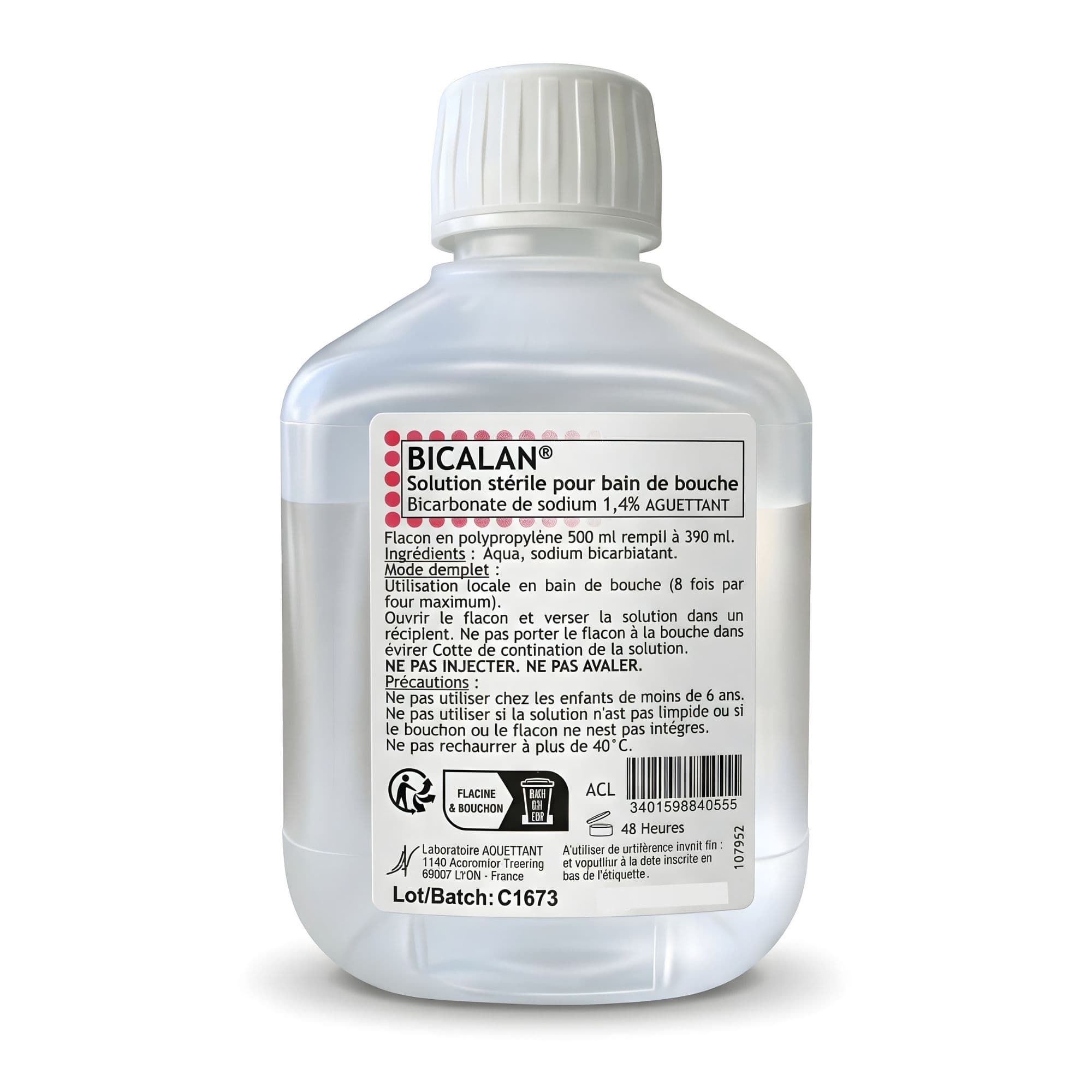
Bicalan — Sterile Alcohol-Free Mouthwash (390 ml)
Continue reading
 Incontinence
Incontinence: A Purchasing Guide for Clinics and Pharmacies
A practical guide for clinic and pharmacy buyers. Discover how to choose the right incontinence devices by balancing clinical needs, regulatory compliance, and logistical efficiency to improve care quality.
 Seringue
Syringes: Comparative Guide and Selection Criteria for Healthcare Professionals
The complete guide to choosing the right medical syringe for your needs. Technical comparison (Luer Lock, Luer Slip, 2/3 parts), standards, and advice to optimize your costs and secure your supplies.