

A practical guide for clinic and pharmacy buyers. Discover how to choose the right incontinence devices by balancing clinical needs, regulatory compliance, and logistical efficiency to improve care quality.
Choosing the right incontinence devices for your clinic or pharmacy is a strategic decision. It's not just about comparing prices, but about finding the right balance between diverse patient needs, regulatory compliance, and efficient logistics. An informed choice improves patients' quality of life, simplifies caregivers' work, and optimizes your inventory management.
Understanding the Different Types of Incontinence and Their Implications for Device Selection
To choose the right device, you must first identify the type of incontinence. Each form—stress, urge, mixed, overflow, or fecal—requires a specific solution. A precise clinical evaluation is therefore the starting point for guiding the patient toward the most suitable solution for their pathology and lifestyle, ensuring comfort, safety, and dignity.
Stress Incontinence
This is characterized by leaks during abdominal pressure (coughing, laughing). It is often linked to weakness of the pelvic floor muscles. For selection: Light and discreet absorbent pads, such as anatomical pads, are generally ideal for active patients.
Urge Incontinence (or Overactive Bladder)
This manifests as a sudden and irresistible urge to urinate, causing leaks before reaching the toilet. For selection: Rapid absorption pads with moderate to high capacity (pull-ups, all-in-ones) are required to manage complete and unpredictable voiding.
Mixed Incontinence
This form combines the symptoms of stress and urge incontinence. For selection: The device must be versatile, offering both discretion for small leaks and sufficient absorption capacity for complete voiding.
Overflow Incontinence
The bladder does not empty completely, causing an "overflow" and continuous leaks. For selection: Absorbent pads alone are often insufficient. This condition may require collection devices or urinary catheters to ensure complete emptying and prevent complications.
Fecal Incontinence
Defined by the involuntary loss of stool, it requires specific solutions. For selection: Products must offer high absorption capacity, reinforced side leak barriers, and an effective odor control system.
Categories of Incontinence Devices Available on the B2B Market
The professional market offers a comprehensive range of devices for each type of incontinence. These solutions fall into several broad categories, each addressing specific needs.
Absorbent Products
This is the broadest category, with products adapted to every need in terms of capacity, size, and patient mobility.
- All-in-ones (adult diapers): For moderate to severe urinary and/or fecal incontinence. They offer maximum security thanks to their repositionable adhesives. Essential for bedridden or mobility-impaired patients.
- Absorbent pull-ups (pants): More discreet, they are worn like underwear. They are suitable for active patients with moderate incontinence.
- Anatomical pads: Inserted into supportive underwear. Their wide range of absorption makes them suitable for light to moderate incontinence.
- Underpads: Disposable or washable bed or chair protectors, they add extra security against leaks.
Collection Devices
These devices collect urine instead of absorbing it, keeping the skin dry and allowing for urine output measurement.
- External catheters (condom catheters): Non-invasive external alternative to catheters for men. Connected to a collection bag, they are suitable for daily use.
- Urine bags: Used with catheters or external catheters, they come in "leg bag" versions (discreet, for daytime) or "bedside bag" versions (large capacity, for nighttime). An anti-reflux valve is an essential quality criterion.
Micturition Aids
These simple devices help patients who have difficulty moving to the toilet.
- Urinals: Portable receptacles for men or women. Disposable molded cellulose models reduce the risk of cross-infections by eliminating cleaning.
Urinary Catheters
Used on medical prescription for urinary retention, they are divided into two types:
- Indwelling catheters: Remain in the bladder for several days or weeks.
- Intermittent self-catheters: Used by the patient several times a day to empty the bladder, reducing infection risks compared to indwelling catheters.
Essential Criteria for Evaluating and Selecting Incontinence Products
To make the right choice, several criteria must be analyzed simultaneously. A structured approach, as recommended by the French National Authority for Health (HAS) for the analysis of clinical incidents [S1], allows consideration of absorption level, patient mobility, skin condition, comfort, and ease of use for caregivers.
Decision-Making Matrix for Professional Buyers
The following table offers a comparative view to guide the choice of devices by integrating clinical and logistical criteria.
| Device | Clinical Indication | Objective Purchasing Criteria | Key Advantages | Points of Vigilance |
|---|---|---|---|---|
| All-in-one | Moderate to severe/fecal incontinence. Patient with reduced mobility or bedridden. | CE marking, wetness indicator, repositionable adhesives. | Maximum leak protection, extended change intervals (especially at night). | Risk of skin irritation if not changed regularly, less discreet. |
| Urine bag + External catheter | Moderate to severe incontinence in autonomous or semi-autonomous men. | CE marking, Sterile (bag), Latex-free, Capacity (e.g., 2L), Anti-reflux valve. Origin: PL. | Keeps skin dry, large collection capacity, urine output measurement. | Requires rigorous hygiene, risk of local irritation with the external catheter. |
| Intermittent catheter | Urinary retention, overflow incontinence. Autonomous patient (after training). | CE marking, Sterile, pre-lubricated or hydrophilic system. | Complete bladder emptying, reduced infection risk vs. indwelling catheter. | Requires rigorous asepsis, good dexterity, and therapeutic education. |
| Disposable urinal | Patient with limited mobility but capable of using the device. | CE marking, Material: molded cellulose. Origin: TR. | Prevention of cross-infections, no cleaning, easy to store and dispose of. | Single-use, limited capacity, requires patient cooperation. |
Regulatory Standards and Certifications to Consider for Incontinence Medical Devices
Regulatory compliance is a non-negotiable criterion. All incontinence devices sold in the EU must bear the CE marking, which certifies their conformity with Regulation (EU) 2017/745 (MDR). This marking proves that the manufacturer has validated the safety and performance of its product.
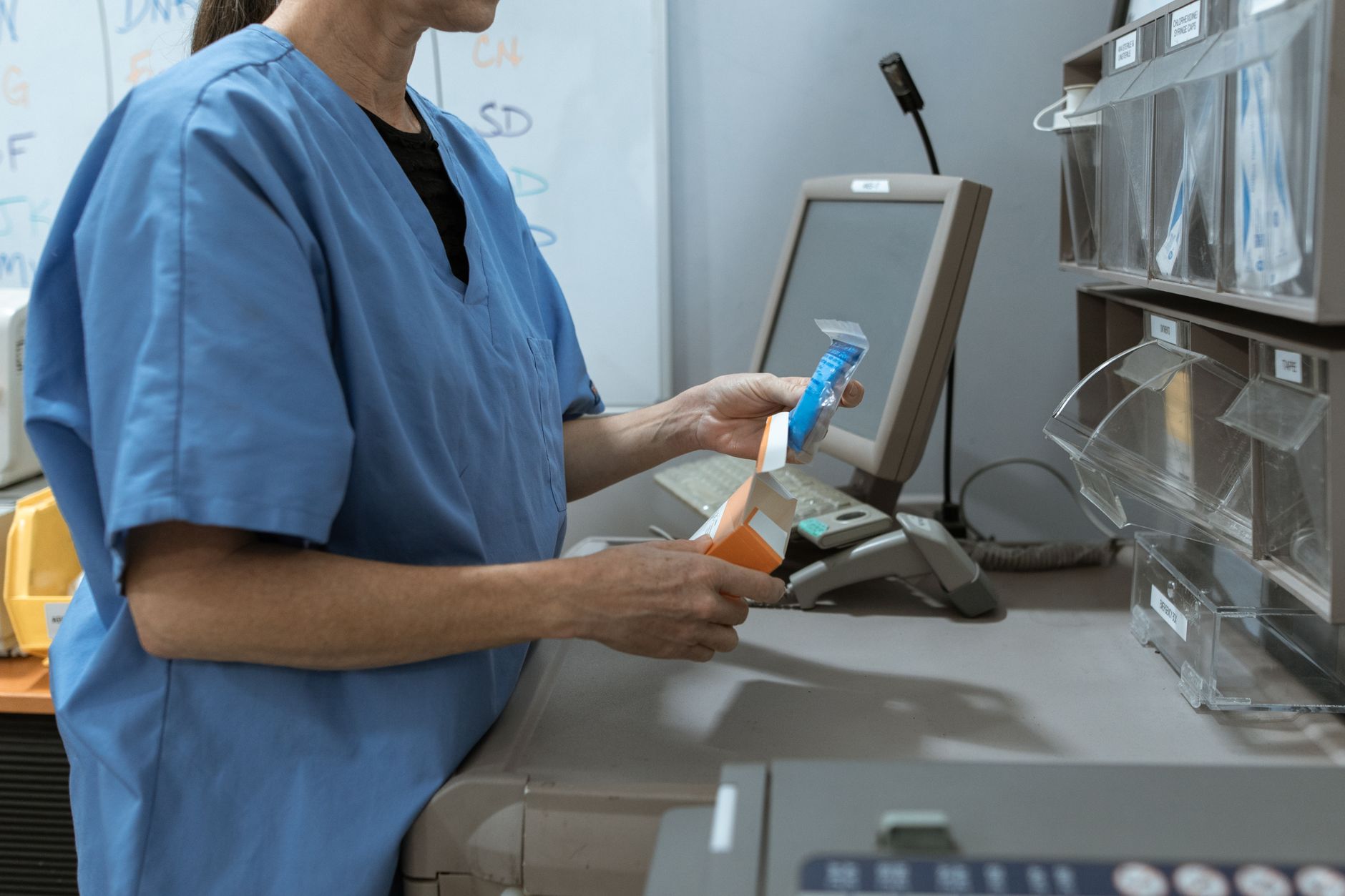
The ANSM (French National Agency for the Safety of Medicines and Health Products) ensures market surveillance (materiovigilance) and post-market clinical follow-up (PMCF) [S2]. As a buyer, you must therefore ensure that your suppliers comply with these obligations. For an in-depth understanding of your duties, consult our guide on distributor obligations under the MDR.
Inventory Optimization and Order Management for Clinics and Pharmacies
Good inventory management is essential to ensure continuity of care without additional costs. To achieve this, you need to anticipate consumption, plan for safety stock, apply product rotation, and choose a reliable logistics partner.
- Consumption analysis: Identify high-turnover products to adjust your orders.
- Safety stock: Define a minimum level for each critical reference to cope with unforeseen events.
- FIFO rotation: Apply the "First In, First Out" principle to avoid product expiration.
- Supplier partnership: Collaborate with a reliable distributor to benefit from planned deliveries and seamless traceability.
To structure your strategy, refer to our complete guide to B2B medical procurement.
Staff Training and Patient Support: Keys to Success
The effectiveness of a device depends as much on its quality as on its use. Training healthcare staff and supporting patients are therefore essential. Correct application prevents leaks and skin lesions, while a well-informed patient gains autonomy and quality of life, a fundamental principle promoted by the WHO [S7].
Common Mistakes to Avoid When Purchasing Incontinence Devices
The most common mistake is to focus solely on the unit price. A cheap product can ultimately cost more if it is ineffective (more frequent changes, laundry costs) or if it causes skin complications. Always think in terms of the total cost of care.
Here are other pitfalls to avoid:
- Over-standardizing: A too limited range does not meet individual patient needs.
- Neglecting size: A poorly fitted product is ineffective and uncomfortable. Always refer to the manufacturer's size guide.
- Ignoring user feedback: Feedback from caregivers and patients is essential to evaluate the actual effectiveness of a product.
- Forgetting complementary products: Protective creams, washcloths, and cleaning products are inseparable from quality care.
The Importance of Feedback and Continuous Product Evaluation
To ensure your choices remain relevant, implement a continuous evaluation system. Feedback from caregivers and patients is your best source of information for adjusting your selection and ensuring optimal quality of care, an approach inspired by HAS recommendations [S1]. Organizing trials with samples before referencing a new product is good practice for objectively measuring its performance.
Frequently Asked Questions
What are the different absorption levels of incontinence products and how do I choose the right one?
Manufacturers classify absorption by levels (light, moderate, severe, maximal), often symbolized by drops on the packaging. The right choice depends on the volume and frequency of leaks. For a few drops during exertion, a light anatomical pad is sufficient. For severe incontinence, especially at night, a high-capacity all-in-one is necessary to ensure security and extend change intervals.
How does ANSM regulation impact the choice of incontinence devices for professionals?
The ANSM monitors the French market (materiovigilance). As a professional, you must imperatively choose devices with CE marking, compliant with the MDR regulation. You also have the obligation, with your distributor, to report any serious incident [S2]. Collaborating with suppliers who guarantee traceability and compliance is therefore an essential safety measure.
What clinical criteria are priorities for selecting devices suitable for elderly or mobility-impaired patients?
For this population, the priority is to protect the skin. Favor breathable materials that maintain a neutral pH. High absorption capacity is also crucial to extend change intervals, especially at night. Finally, ease of application (repositionable adhesives, wetness indicator) is essential for patient comfort and caregiver work.
How to optimize the management of incontinence device stocks?
To optimize your inventory, analyze your consumption to anticipate orders, define a safety stock for essential products, and apply the "First In, First Out" (FIFO) rule. Also, simplify your product range and work with a responsive supplier for flexible deliveries.
Sources
Recommended products
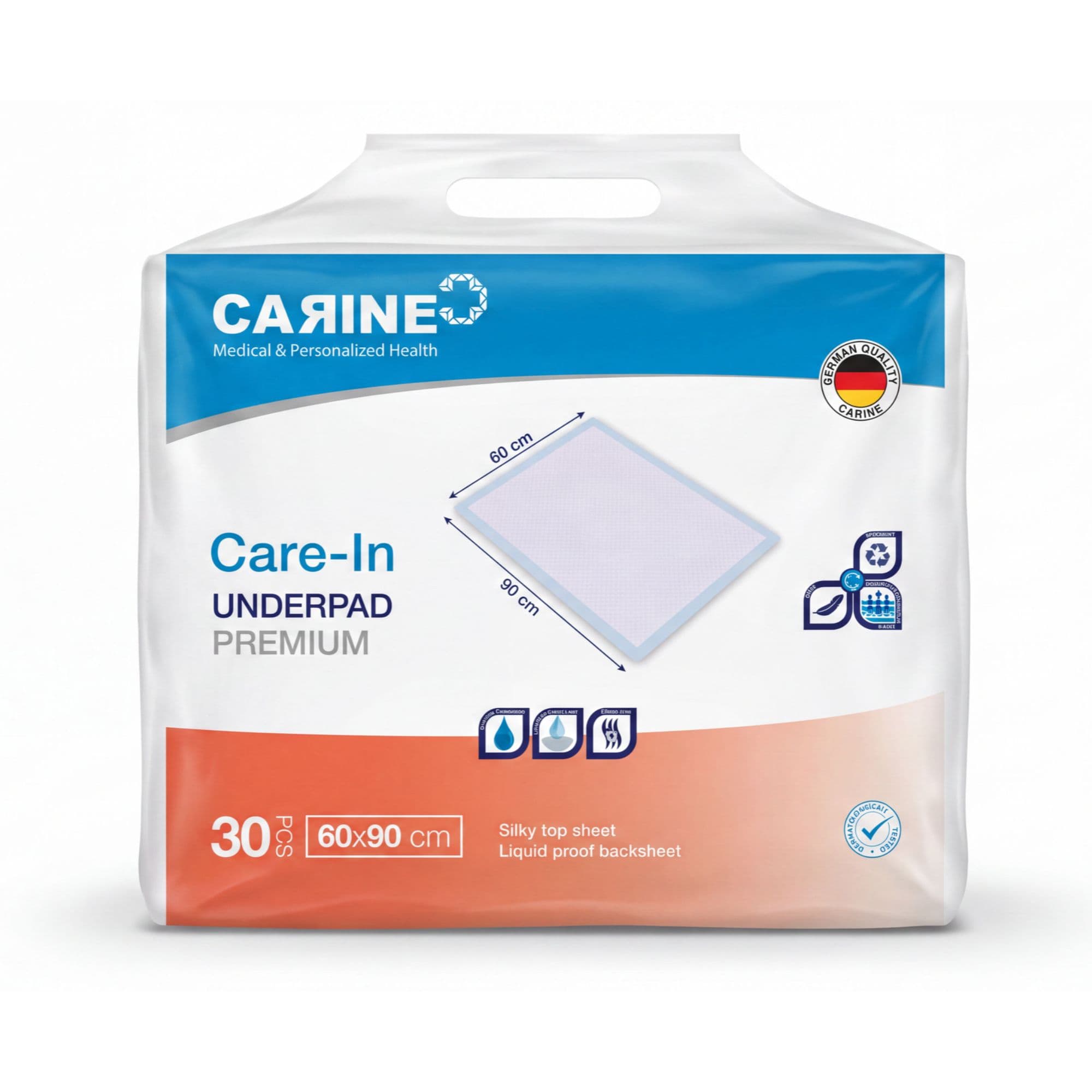
Carine Care-In Disposable Underpad 60 × 90 cm – Box of 30
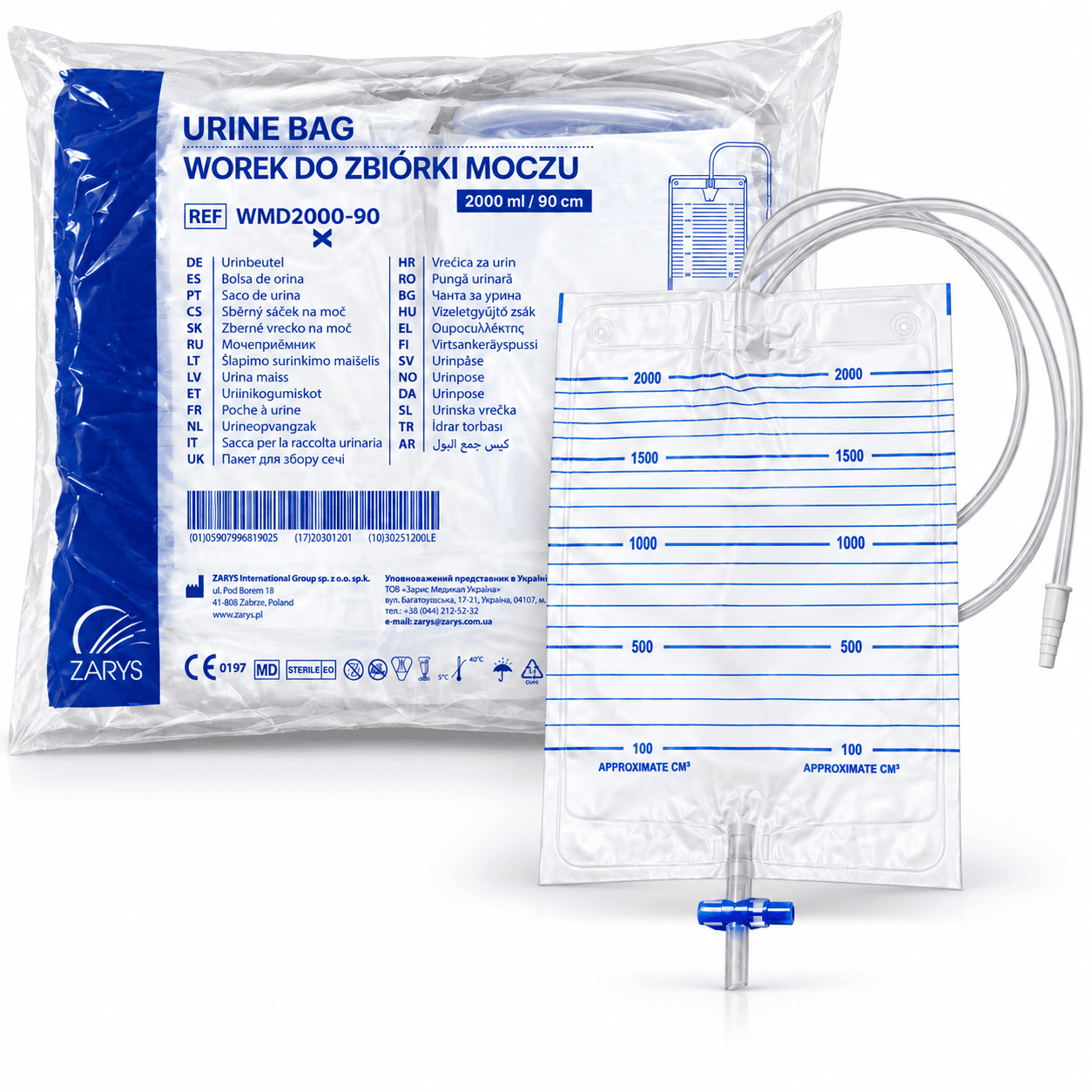
Zarys Sterile Urine Bag 2 L – Box of 10
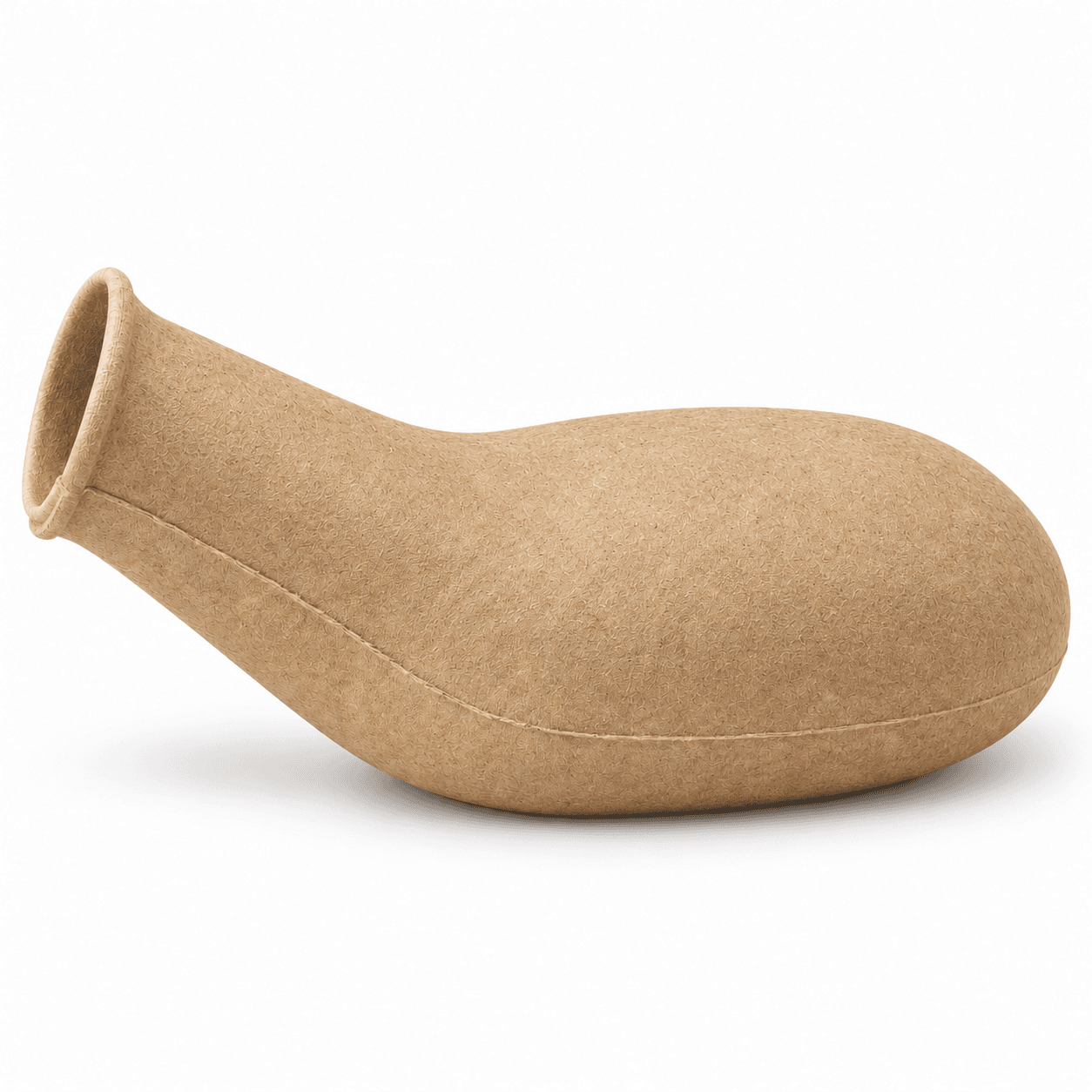
Fiberpak disposable male urinal
Continue reading
 Oxymètre de Pouls
Choosing Your Oximeter: A Professional Buyer's Guide for Clinics & Pharmacies
A comprehensive guide to choosing the right professional pulse oximeter. Compare types (fingertip, remote sensor), understand key criteria (SpO2, PI, plethysmography), and standards (CE MDR, ISO 13485) for a reliable purchase in clinics or pharmacies.
 Seringue
Syringes: Comparative Guide and Selection Criteria for Healthcare Professionals
The complete guide to choosing the right medical syringe for your needs. Technical comparison (Luer Lock, Luer Slip, 2/3 parts), standards, and advice to optimize your costs and secure your supplies.