
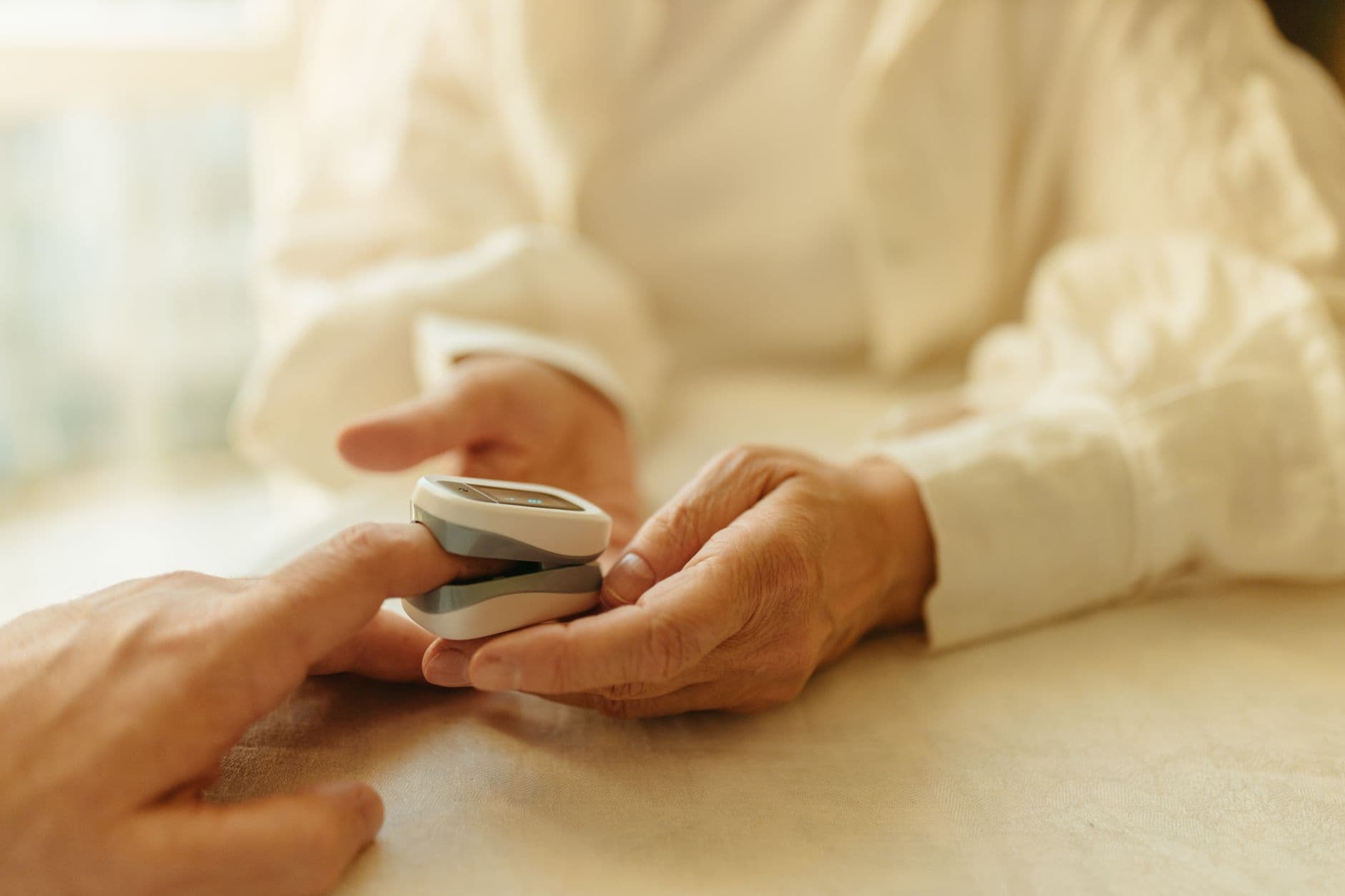
A comprehensive guide to choosing the right professional pulse oximeter. Compare types (fingertip, remote sensor), understand key criteria (SpO2, PI, plethysmography), and standards (CE MDR, ISO 13485) for a reliable purchase in clinics or pharmacies.
Choosing the right professional pulse oximeter is a crucial decision for a clinic or pharmacy. To ensure a reliable and secure investment, it is essential to evaluate accuracy, regulatory compliance, and suitability for your specific uses. This guide details all essential criteria, from device types to indispensable certifications.
What is a pulse oximeter and why is it essential in clinics and pharmacies?
A pulse oximeter is a medical device that non-invasively measures blood oxygen saturation (SpO2) and heart rate[S1]. It is essential because it allows for rapid detection of hypoxia (a lack of oxygen), a key step for effective patient management, as recommended by the WHO[S2]. Its principle is based on spectrophotometry: it emits red and infrared light through the finger to measure absorption by oxygenated and deoxygenated hemoglobin.
An indispensable diagnostic tool, the pulse oximeter enhances pharmacy advice for monitoring chronic diseases (COPD, asthma) and is key in telehealth[S3]. In clinics, it is used for post-operative monitoring, emergency management, and general respiratory assessment. Its simplicity and speed make it a cornerstone of the care pathway.
The different types of professional pulse oximeters: which one to choose?
The choice of oximeter type depends on your environment (practice, pharmacy, hospital), your patients, and the type of monitoring (spot-check or continuous). An adapted device ensures clinical relevance and daily efficiency.
Fingertip Oximeters (Portable)
Ideal for spot-check measurements in consultations, at home, or in pharmacies, the fingertip oximeter is compact and easy to use. Professional models are distinguished by their robustness (designed for frequent cleaning), increased accuracy in difficult conditions (low perfusion), and medical certifications.
Oximeters with Remote Sensor
These models, consisting of a monitor and a wired sensor, offer great versatility. By simply changing the sensor (adult, pediatric, neonatal, auricular), the same device adapts to all patients. Reusable or single-use sensors ensure perfect adaptation and optimal hygiene, making them common in hospital settings.
Tabletop Oximeters and Multiparameter Monitors
Designed for continuous bedside patient monitoring, these devices offer advanced functions: configurable audible and visual alarms, plethysmography waveform display, data storage, and connectivity to hospital information systems (HIS). They are essential in intensive care, operating rooms, or for monitoring unstable patients.
Technical criteria and key features to consider
To ensure reliable measurements, carefully analyze the technical specifications. Accuracy, the presence of the Perfusion Index, and robustness are the criteria that distinguish a professional device from a consumer model.
- Accuracy and Reliability: Accuracy should be ±2% for SpO2 between 70% and 100%. This standard is crucial for reliable clinical decisions, such as adjusting oxygen therapy. Ensure the device remains accurate even with movement or low perfusion.
- Perfusion Index (PI): The PI (from 0.1% to 20%) measures the intensity of the pulsatile signal and directly reflects the reliability of the SpO2 measurement. A low PI can indicate poor circulation and affect accuracy. This is an indispensable feature on a professional device.
- Plethysmography Waveform: This real-time display allows for visual assessment of signal quality. A regular waveform confirms a reliable measurement, while an abnormal curve signals a problem (movement, incorrect sensor placement).
- Configurable Alarms: Essential for continuous monitoring, this function allows setting alert thresholds (high and low) for SpO2 and pulse. Well-configured alarms help prioritize interventions and reduce alarm fatigue.
- Battery Life and Robustness: Your device must withstand intensive use (shocks, repeated cleaning). Check resistance standards and the Ingress Protection (IP) rating. For portable models, long battery life and fast charging are essential.
Standards and regulations: ensuring compliance and safety
Regulatory compliance is a non-negotiable criterion that guarantees the safety and performance of the device. It protects patients, professionals, and your establishment by ensuring that the oximeter meets very strict manufacturing and testing standards.
Any pulse oximeter used in a professional setting in Europe must imperatively bear the CE marking as a Class IIa or IIb medical device, attesting to its conformity with the requirements of Regulation (EU) 2017/745 (MDR). To delve deeper into this topic, consult our guide on medical device regulation.
Also check the manufacturer's ISO 13485 certification. This standard, specific to medical devices, guarantees a rigorous quality management system, from design to production. It is a guarantee of reliability and traceability, often complementing the more general ISO 9001 standard[S5] and reinforcing the presumption of regulatory compliance[S6].
Specific use cases: adapting the oximeter choice
The best oximeter is one that is adapted to your daily practice. Choosing a model based on the context of use ensures better integration into your care protocols and a better return on investment.
- Community Pharmacy: A professional, robust, and easy-to-clean fingertip oximeter is perfect for spot checks at the counter. For telehealth, a connected model is essential for securely transmitting data to the teleconsulting physician, from a dedicated confidential space[S3].
- Clinic and Medical Practice: A model with a remote sensor offers great flexibility to adapt to all patients (pediatrics, geriatrics). Memory and data export functions facilitate integration into electronic patient records.
- Home Care and Nursing Homes: Portability, simplicity (single button), long battery life, and a very readable screen are the priorities. Robustness is also key to withstand the constraints of mobile use.
Maintenance and calibration: ensuring long-term accuracy
To ensure long-term accurate measurements, regular maintenance is essential. Strictly follow the manufacturer's instructions for cleaning and disinfection to avoid damaging the device and prevent erroneous measurements.
While most modern models self-calibrate upon startup, periodic verification with an SpO2 simulator may be necessary in the most demanding environments. In case of doubt about the reliability of measurements, check the device and consider reporting it as part of materiovigilance.
Model comparison: consumer vs. professional
The differences between a consumer model and a professional model are fundamental, as shown in this comparative table. Opting for a professional device is the only guarantee of performance, safety, and compliance for medical use.
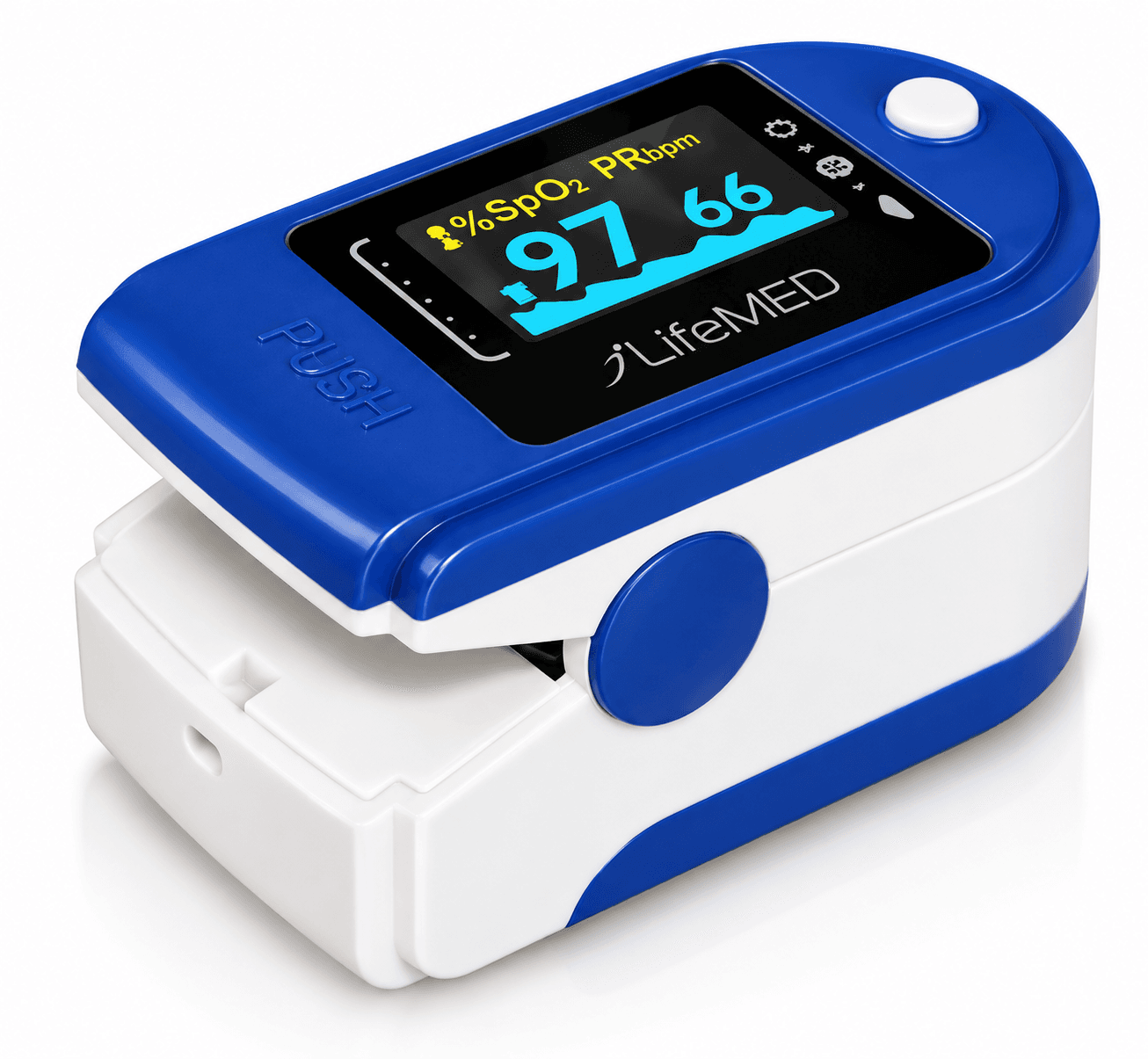
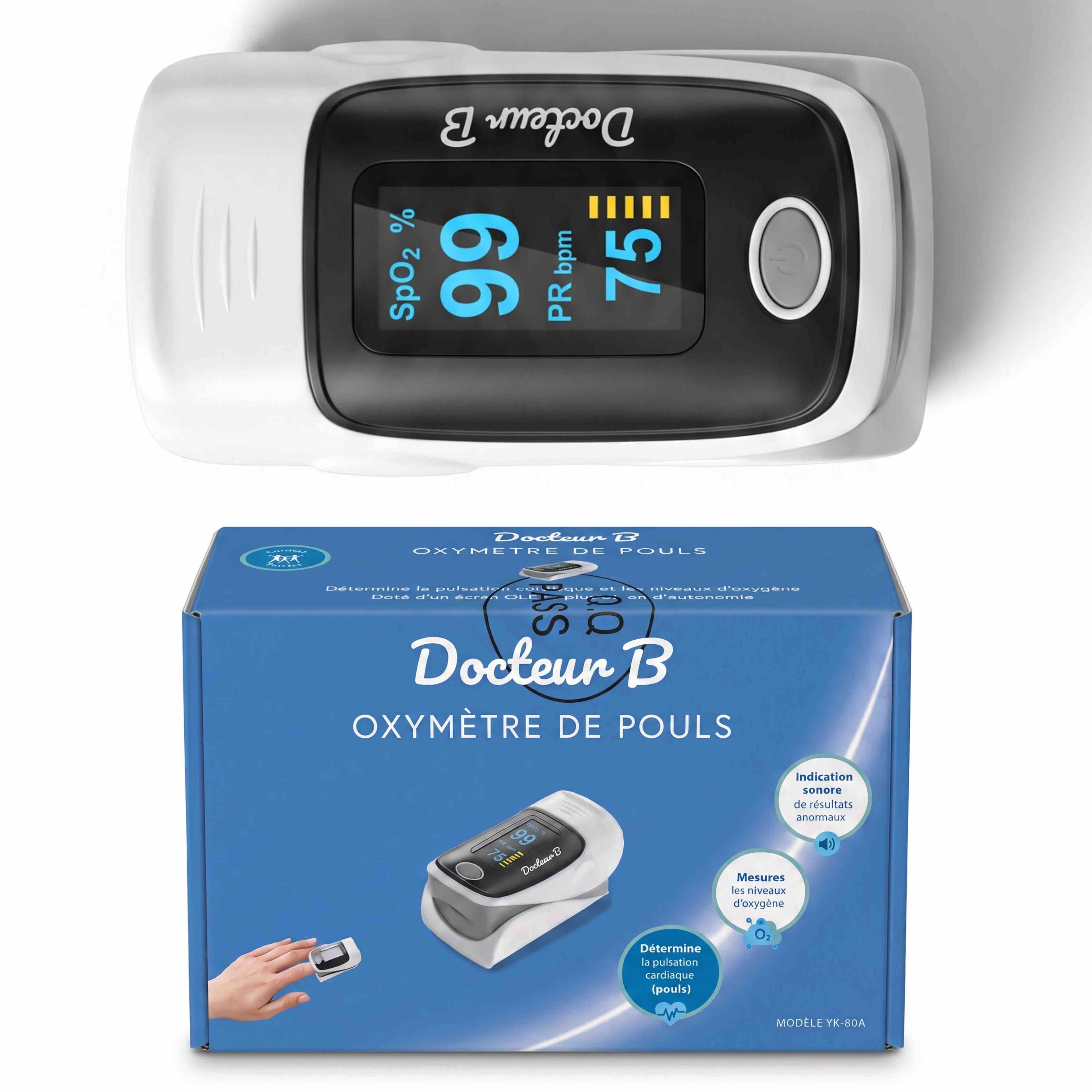
| Criterion | Consumer Model (Ex: Docteur B YK-80A) | Professional Model (Ex: LifeMED SAT-200PI) |
|---|---|---|
| Intended Use | Self-measurement, wellness, sport | Diagnosis, clinical and pharmaceutical monitoring |
| CE Certification | CE (often non-medical) | CE Medical Device (according to MDR 2017/745) |
| Manufacturer Certification | Not specified or ISO 9001 | ISO 13485 (recommended) |
| Perfusion Index (PI) | Often absent or unreliable | Present and reliable, validity criterion for measurement |
| Robustness | Light plastics, not designed for repeated disinfection | Materials resistant to shocks and disinfectants |
| Origin | Variable, often untraced | CN (for this example), with manufacturer traceability |
Common mistakes to avoid during purchase and use
To ensure the relevance of your purchase and the reliability of measurements, avoid these common mistakes. Informed choice and use are the pillars of quality diagnosis.
- Choosing a consumer model for professional use: These devices lack the required accuracy, robustness, and certifications. Using them on patients engages your professional responsibility and that of your establishment.
- Neglecting sensor size and type: A poorly fitted sensor (too large or too small) compresses tissues or allows ambient light to pass through, systematically skewing measurements.
- Ignoring clinical interference factors: Many factors can skew readings: nail polish (especially dark shades), intense ambient light, patient movement, poor circulation (hypotension, hypothermia), severe anemia, or carbon monoxide poisoning.
- Forgetting to train staff: Staff must be trained in good practices and the limitations of the device. Knowing how to interpret SpO2, the perfusion index, and the plethysmography waveform is essential for correct clinical evaluation.
Frequently Asked Questions
What is the main role of a pulse oximeter in a clinical or pharmacy setting?
Its main role is to measure blood oxygen saturation (SpO2) and pulse to quickly detect hypoxia (low oxygen levels), which is vital for a patient's respiratory assessment[S1][S2].
What accuracy criteria should I look for in a professional pulse oximeter?
Look for certified accuracy of ±2% for SpO2 between 70% and 100%. The reliability of measurements in difficult conditions (low perfusion, slight movements) is also an essential quality criterion.
Is a consumer pulse oximeter sufficient for use in a pharmacy or clinic?
No. Only professional oximeters offer the accuracy, robustness, and certifications (CE medical marking) essential to ensure patient safety and the validity of measurements in a healthcare setting.
What certification standards should be checked for a pulse oximeter?
It is imperative to check for CE marking as a medical device (according to EU Regulation 2017/745). The manufacturer's ISO 13485 certification is also a highly recommended guarantee of quality for professional equipment.
How does the pulse oximeter integrate into telehealth services in pharmacies?
A connected oximeter transmits SpO2 and pulse in real-time to the doctor during a teleconsultation, enriching their remote diagnosis. The pharmacy must ensure the confidentiality and reliability of this transmission from an adapted location[S3].
Sources
- [PDF] OMS/AFRO : RIPOSTE À LA FLAMBÉE DE COVID-19afro.who.int
- [PDF] Oxygénothérapie pour les enfants - IRISiris.who.int
- Retour d’expérience de télésanté à l’officine : réflexions pour l’amélioration et l’adaptation des pratiques professionnelles pharmaceutiquespmc.ncbi.nlm.nih.gov
- Réglementation des dispositifs médicauxcompetences.afnor.org
- A quoi correspond une norme d’application obligatoire ?boutique.afnor.org
Recommended products
LifeMED SAT-200PI Pulse Oximeter
Continue reading
 Incontinence
Incontinence: A Purchasing Guide for Clinics and Pharmacies
A practical guide for clinic and pharmacy buyers. Discover how to choose the right incontinence devices by balancing clinical needs, regulatory compliance, and logistical efficiency to improve care quality.
 Seringue
Syringes: Comparative Guide and Selection Criteria for Healthcare Professionals
The complete guide to choosing the right medical syringe for your needs. Technical comparison (Luer Lock, Luer Slip, 2/3 parts), standards, and advice to optimize your costs and secure your supplies.