
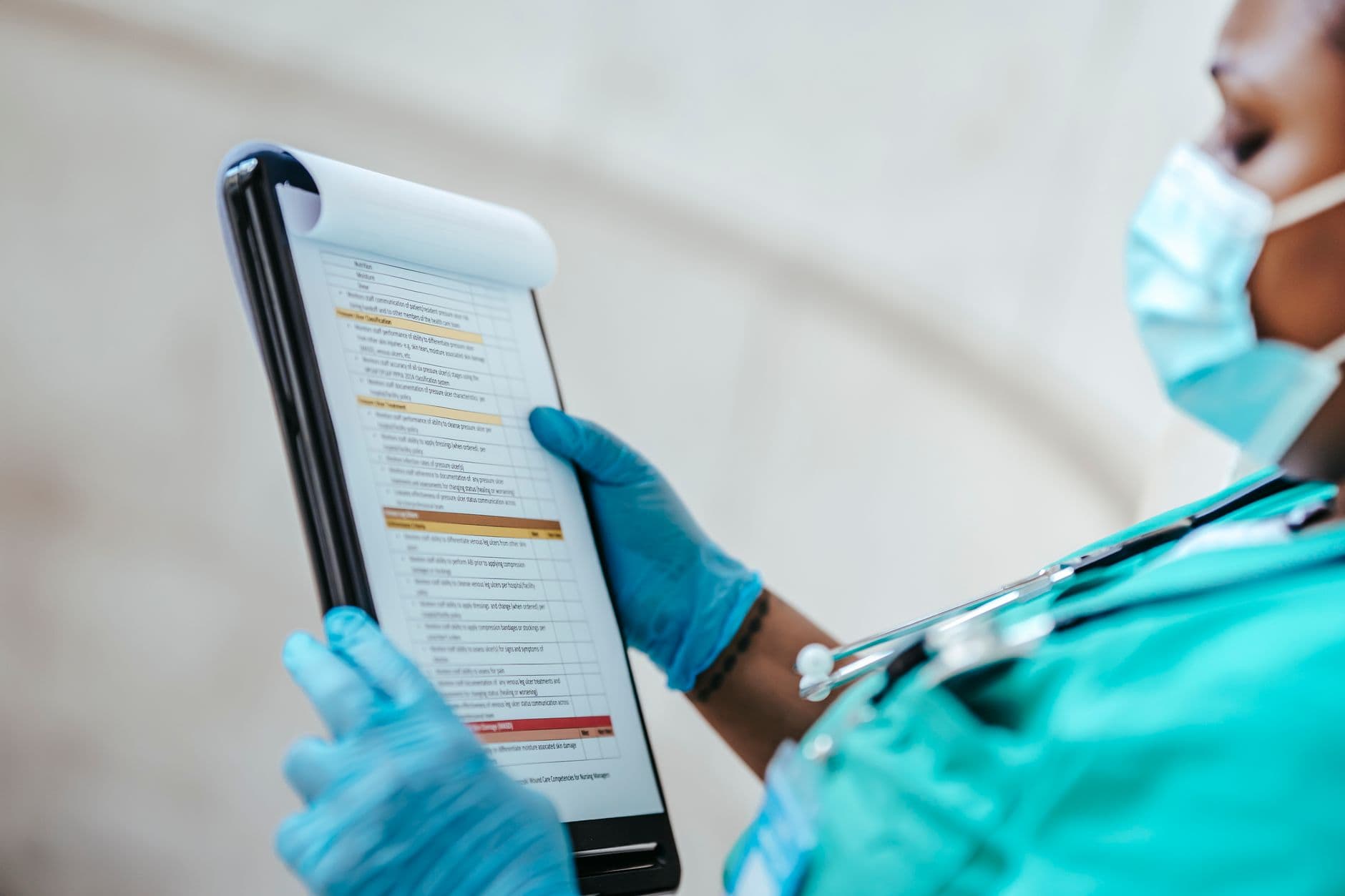
Materiovigilance is the surveillance of medical devices after they are placed on the market. For professionals and distributors, knowing how to report an incident to the ANSM and manage a product recall is not an option: it is a crucial legal obligation for patient safety.
Materiovigilance: The complete guide to obligations for healthcare professionals and distributors
Patient safety is the absolute priority. Materiovigilance, supervised by the ANSM, is the surveillance system that guarantees this safety after medical devices (MDs) are placed on the market. For distributors, clinics, and pharmacies, understanding and applying reporting and recall procedures is a legal obligation, but also a guarantee of reliability and an essential commitment to care safety.
Understanding materiovigilance: ecosystem and responsibilities
Materiovigilance is the system for monitoring incidents or risks of incidents related to the use of a medical device after its commercialization. Coordinated in France by the Agence Nationale de Sécurité du Médicament et des produits de santé (ANSM), its effectiveness relies on the collaboration of all stakeholders in the healthcare chain to ensure the safety of patients and users.[S1]
Key players and their defined roles
The system is structured around several players with complementary responsibilities:
- The ANSM (national level): As the competent authority, it centralizes and evaluates all incident reports. It makes necessary public health policy decisions (batch recall, modification of use) and disseminates safety alerts.
- The Manufacturer: They are primarily responsible for the safety, quality, and performance of their MD. They have an obligation to report incidents to the ANSM and to implement corrective safety actions (FSCA), such as recalls.
- The Distributor: A key intermediary, they must ensure the conformity of the products they distribute (CE marking, etc.) and actively participate in traceability and alert management. Their obligations are reinforced by the MDR 2017/745 regulation.
- Healthcare Facilities and Professionals: On the front line, they have a legal obligation to report without delay to the ANSM any serious incident or risk of serious incident.[S1] Their responsiveness is essential for rapid problem detection.
- The Local Materiovigilance Correspondent (CLMV): The referent in each healthcare facility, they help staff qualify the event, draft the declaration, and liaise with the ANSM.[S1]
When and why report a materiovigilance incident?
You must report an incident as soon as a medical device is suspected of being the cause, even partial, of a serious incident or a risk of serious incident. The objective is preventive: each report feeds a national database that allows the ANSM to detect weak signals and prevent future accidents, thereby improving overall product safety.
The regulation requires reporting in two main situations:
- The serious incident: A malfunction or alteration of an MD that causes or could cause, directly or indirectly, death or a serious deterioration in the health of a patient, user, or third party.
- The risk of serious incident: A defect identified on an MD not yet used but which, if used, could lead to a serious incident. This is a proactive action to neutralize a risk before it occurs.
Decision table: Practical guide for reporting to the ANSM
Here is a table to help you identify situations to report.
| Type of event | Description | Required action | Concrete examples |
|---|---|---|---|
| Confirmed serious incident | Suspected causal link between the MD and death or serious deterioration of health. | Mandatory and immediate declaration | Malfunction of an Automated External Defibrillator (AED) during resuscitation[S2], rupture of a prosthetic implant, dosage error of an infusion pump, post-operative infection linked to a contaminated instrument. |
| Risk of serious incident | Defect identified on an MD which, if used, could cause a serious incident. The danger is potential. | Mandatory and immediate declaration | Crack discovered on a series of infusion bags in stock, sterility defect found on a batch of compresses, labeling error on pre-filled syringes. |
| Unexpected adverse effect | Harmful and unwanted reaction in a patient, linked to compliant use of the MD, without proven malfunction.[S3] | Recommended declaration | Severe allergic reaction to a component of a dressing, abnormal skin irritation linked to an electrode, unexpected toxicity of an implantable material. |
| Malfunction without consequence | The MD does not function as expected, but the problem was detected before or caused no harm to the patient. | Recommended declaration | A device displays an error code at startup, a single-use instrument shows a visible defect upon opening, a monitoring alarm triggers for no reason. |
How to report an incident: procedure and vigilance points
Reporting a materiovigilance incident is primarily done via the Ministry of Health's adverse health event reporting portal.[S3] To be effective, it must be precise, factual, and prompt.
Key steps for a successful declaration
- Secure the device and evidence: This is the first reflex. Never discard the involved MD. Quarantine it with its packaging and accessories. This is essential material evidence for the investigation.
- Gather critical information: Collect product identification elements (name, reference, batch/serial number, UDI), patient information (anonymized), date, location, and a chronological description of the facts.
- Contact the Local Correspondent (in facility): If you work in a healthcare facility, inform your CLMV. They will help you qualify the event and make the declaration.
- Complete the online declaration: Log in to the reporting portal or use the Cerfa forms available on the ANSM website. Be factual and precisely describe what you observed, without interpretation.
Regulatory deadlines to be strictly observed
Reporting deadlines are strict and start as soon as you become aware of the incident:
- Without delay for serious and urgent health threats.
- 10 calendar days at the latest for incidents that have resulted in death or a serious and unforeseen deterioration of health.
- 15 calendar days at the latest for all other serious incidents.
Managing medical device recalls: a critical process
A batch recall is a corrective action, decided by the manufacturer or imposed by the ANSM, to withdraw from the market or correct the use of devices presenting a risk. For a distributor or facility, effective recall management is a key indicator of its reliability and compliance with medical device regulations.
Obligations and best practices for distributors and facilities
- Immediately cease distribution and use: Upon receipt of the alert, stop all distribution or use of the affected batches.
- Identify and isolate stock: Your traceability system must allow you to quickly locate all affected products. Physically isolate them in a dedicated area, identified as "IN QUARANTINE - DO NOT USE".
- Inform downstream customers and departments: Relay the information without delay to all customers (pharmacies, clinics) or user departments that have received the batches. Communication must be clear and contain the manufacturer's instructions.
- Manage returns and traceability: Coordinate product returns according to manufacturer instructions (destruction, return) and keep an accurate record of all actions taken. This documentation is essential in case of inspection.
Good recall management relies on a robust traceability system, at the heart of controlled B2B medical supply.
Consequences of non-compliance with materiovigilance obligations
Failure to comply with your reporting or recall management obligations exposes you to severe penalties and threatens the trust of your patients and partners.
- Administrative sanctions: The ANSM can impose fines, order the consignment of products, or suspend manufacturing or distribution activities.
- Criminal sanctions: In the event of serious bodily harm linked to a breach, the criminal liability of managers can be engaged (endangering the lives of others, involuntary injury).
- Reputational and commercial risk: A breach of health safety permanently damages your image. Transparency and responsiveness are essential guarantees of seriousness for choosing your medical equipment supplier.
Useful resources and contacts for materiovigilance
To assist you in your procedures, here are the key resources and contacts. Proactivity and knowledge of the right contacts are essential.
- The ANSM website (ansm.sante.fr): The reference source for regulatory news, safety alerts, declaration forms, and practical guides.
- The adverse health event reporting portal: The unique online tool for all health vigilance declarations.[S3]
- Your Local Materiovigilance Correspondent (CLMV): Your first point of contact and internal expert in a healthcare facility.
- The Regional Materiovigilance Correspondents (CRMV): They animate the regional network and can provide methodological support.[S1]
Frequently asked questions
Who is responsible for materiovigilance in France?
Responsibility is shared. The ANSM coordinates the system, but manufacturers, distributors, and healthcare professionals all have a legal obligation to participate by reporting incidents and managing alerts.[S1]
What type of incident must be reported to the ANSM?
You must obligatorily report any serious incident or risk of serious incident. An incident is considered serious if it has resulted in or is likely to result in death or a serious deterioration of health.
How should a medical device distributor manage a product recall?
They must act quickly: cease sales of the affected batches, isolate them in quarantine, inform all customers who received these batches by a traceable means, and organize the return of products following the manufacturer's directives.
Are there specific deadlines for reporting a materiovigilance incident?
Yes, the deadlines are strict: without delay for a serious threat, within 10 days for a serious and unforeseen deterioration of health, and within 15 days for other serious incidents.
What is the difference between an incident and an adverse effect in the context of materiovigilance?
An incident is often linked to a malfunction of the MD. An adverse effect is a harmful reaction in a patient while the MD is used normally, without apparent defect. Both must be reported to contribute to health safety.[S3]
Sources
Continue reading
 Incontinence
Incontinence: A Purchasing Guide for Clinics and Pharmacies
A practical guide for clinic and pharmacy buyers. Discover how to choose the right incontinence devices by balancing clinical needs, regulatory compliance, and logistical efficiency to improve care quality.
 Seringue
Syringes: Comparative Guide and Selection Criteria for Healthcare Professionals
The complete guide to choosing the right medical syringe for your needs. Technical comparison (Luer Lock, Luer Slip, 2/3 parts), standards, and advice to optimize your costs and secure your supplies.