
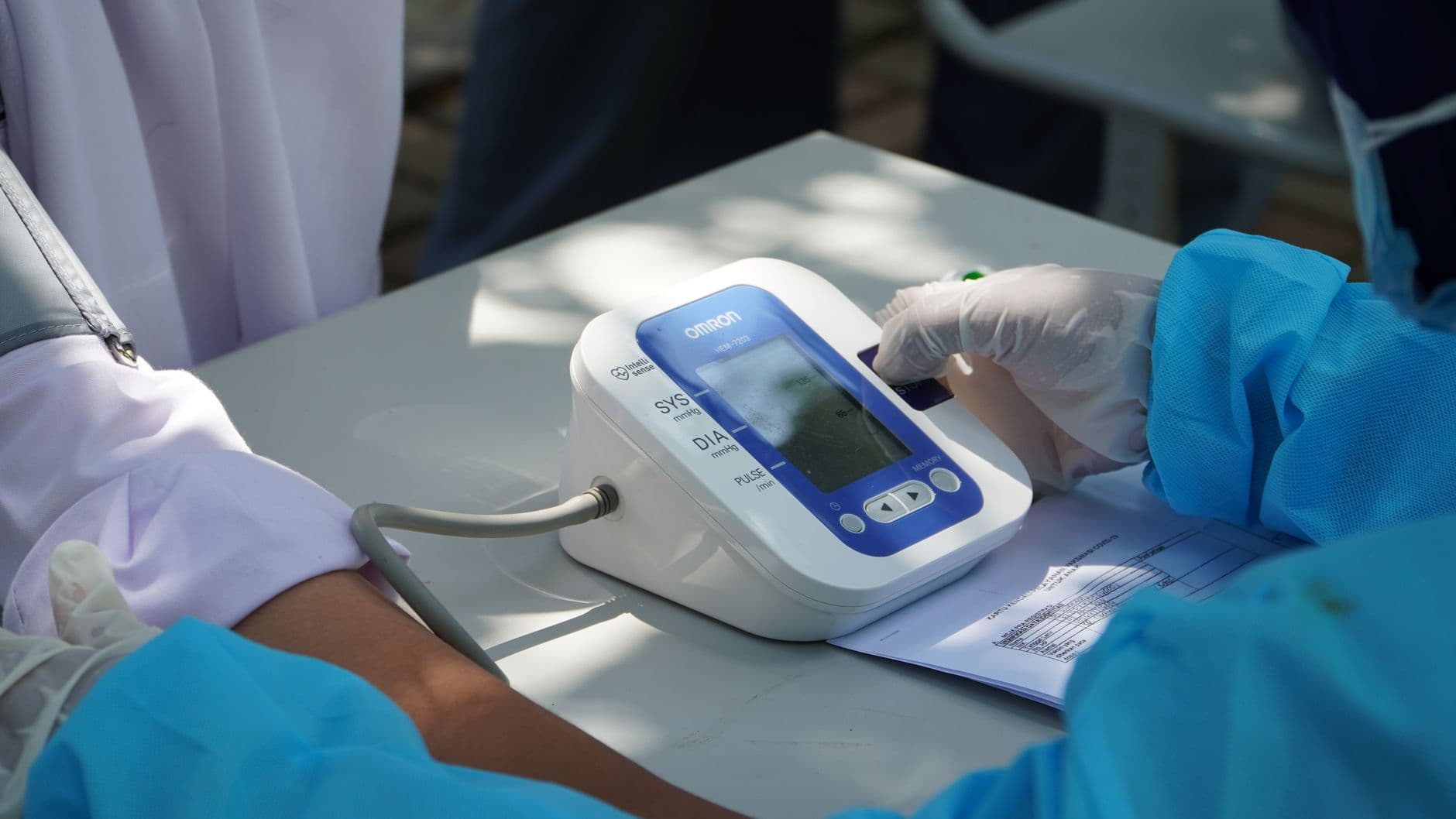
Healthcare professionals, this guide helps you choose the ideal blood pressure monitor for your clinic or pharmacy. Discover key criteria: clinical validation (ESH, BHS), regulatory compliance (CE, MDR), essential features, and maintenance, for accurate and reliable diagnosis.
Choosing the right professional blood pressure monitor is crucial for the quality of care in clinics and pharmacies. This guide assists you in this decision by clarifying essential criteria: types of devices, clinical validations, key features, and regulatory compliance. The objective: to help you invest in a reliable, accurate, and durable diagnostic tool.
Why is a reliable blood pressure monitor crucial for clinics and pharmacies?
A reliable blood pressure monitor is essential to ensure patient safety and the relevance of diagnoses. In both clinics and pharmacies, its accuracy is key to effectively detecting and monitoring arterial hypertension. Conversely, an unreliable device can lead to diagnostic errors, inappropriate treatments, and engage your legal and ethical responsibility [S2]. Trust in measurement is therefore the foundation of quality medical practice.
The different types of professional blood pressure monitors: which one to choose?
For professional use, the electronic arm blood pressure monitor is the undisputed reference. Its level of precision and reliability make it the standard for diagnosis and monitoring in clinics or pharmacies. Other models, such as wrist monitors, are only niche solutions for very specific cases.
Automatic arm blood pressure monitor: the professional standard
This model is the recommended standard for all clinical or pharmacy use. It operates by the oscillometric method and offers excellent accuracy, provided that the cuff size is perfectly adapted to the patient's arm circumference. Professional devices are distinguished by their robustness and advanced features, such as atrial fibrillation (AFib) detection, multi-user management, or average calculation to ensure reliable results.
Wrist blood pressure monitor: very limited use in a clinical context
Although compact, the wrist blood pressure monitor is not suitable for standard professional use. Its accuracy depends too much on the wrist position, which must be kept at heart level, a constraint difficult to systematically guarantee. Its use therefore remains limited to specific cases, such as for obese patients for whom arm measurement is impossible. For reliable diagnosis, learned societies exclusively recommend the arm model [S8].
Essential criteria for selecting a blood pressure monitor: accuracy, validation, and features
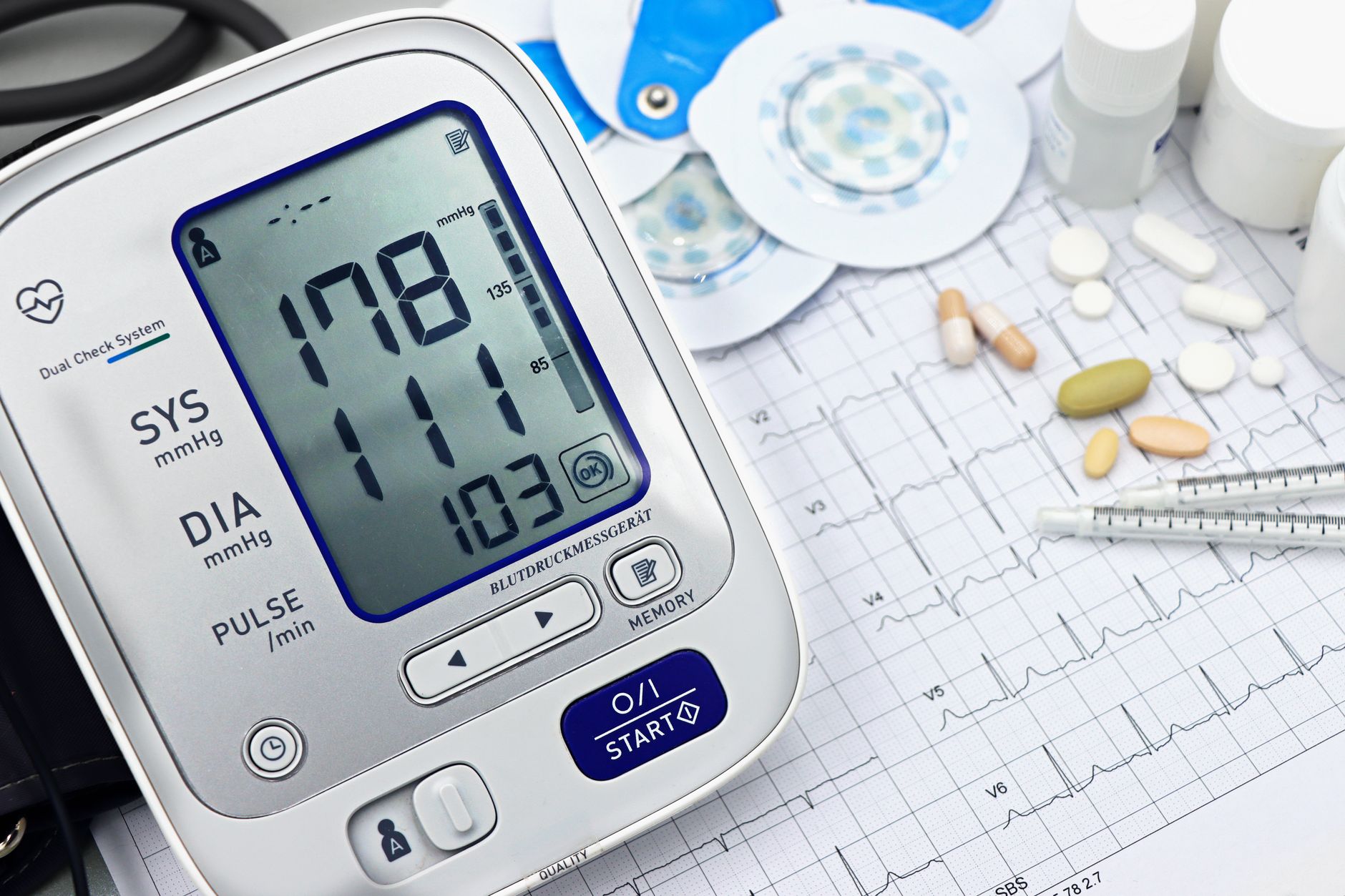
To choose the right blood pressure monitor, evaluate it on four key criteria: its clinical validation, the quality of its cuffs, its features, and its connectivity. These objective elements will ensure you invest in a high-performance device adapted to your daily practice.
- Clinical validation and accuracy: This is the non-negotiable criterion. The device must be validated by a recognized international protocol (ESH, BHS, AAMI), which certifies its metrological performance. This mention, often published by organizations such as the Société Française d'Hypertension Artérielle (FRHTA), is a guarantee of scientific reliability [S6][S7].
- Cuff quality and range: The accuracy of the measurement directly depends on the cuff. A cuff that is too small overestimates blood pressure, one that is too large underestimates it. Ensure that the blood pressure monitor is compatible with several sizes (S, M, L, XL) and that the cuffs are robust, easy to position, and disinfect.
- Memory and multi-user: An extended internal memory, capable of managing several patient profiles, is essential for monitoring. It avoids manual transcription errors and allows quick consultation of measurement history.
- Connectivity: The ability to connect the device (Bluetooth, Wi-Fi) to professional software or an electronic patient record (EPR) is a major asset. It guarantees perfect data traceability, eliminates input errors, and simplifies long-term monitoring.
Standards and certifications: ensuring the compliance and reliability of your blood pressure monitor
To be used in Europe, a professional blood pressure monitor must bear the CE marking, which guarantees its compliance with EU Regulation 2017/745 (MDR). In France, this compliance is supervised by the ANSM [S4]. It is crucial to master the basics of regulation and not to confuse CE marking (legal requirement) with clinical validations like ESH or BHS (guarantee of scientific performance) [S7]. A good device has both.
Comparison of flagship models and recommendations by use case
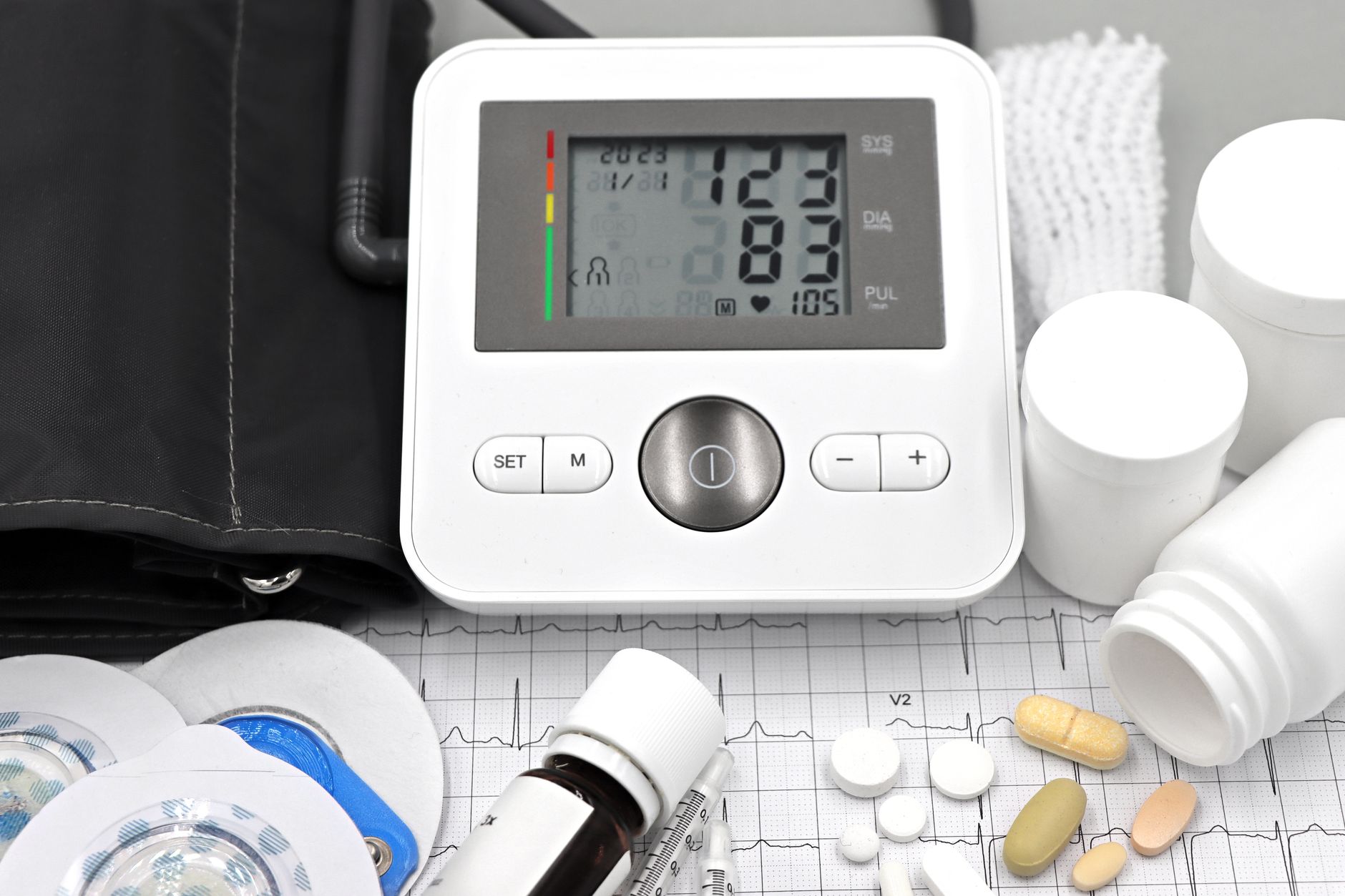
The best blood pressure monitor is the one that is adapted to your use. A device for screenings in a pharmacy does not have the same requirements as a monitor for monitoring complex pathologies in a clinic. Here is a comparison of relevant models for professional use.
Comparative table of professional blood pressure monitors
| Model | Device Type | Certification(s) | Origin | Key Feature |
|---|---|---|---|---|
| Omron M6 Comfort AFib | Automatic Arm Blood Pressure Monitor | CE | VN | Atrial Fibrillation (AFib) Detection |
| Omron M3 Comfort | Automatic Arm Blood Pressure Monitor | CE | VN | Arrhythmia Detection |
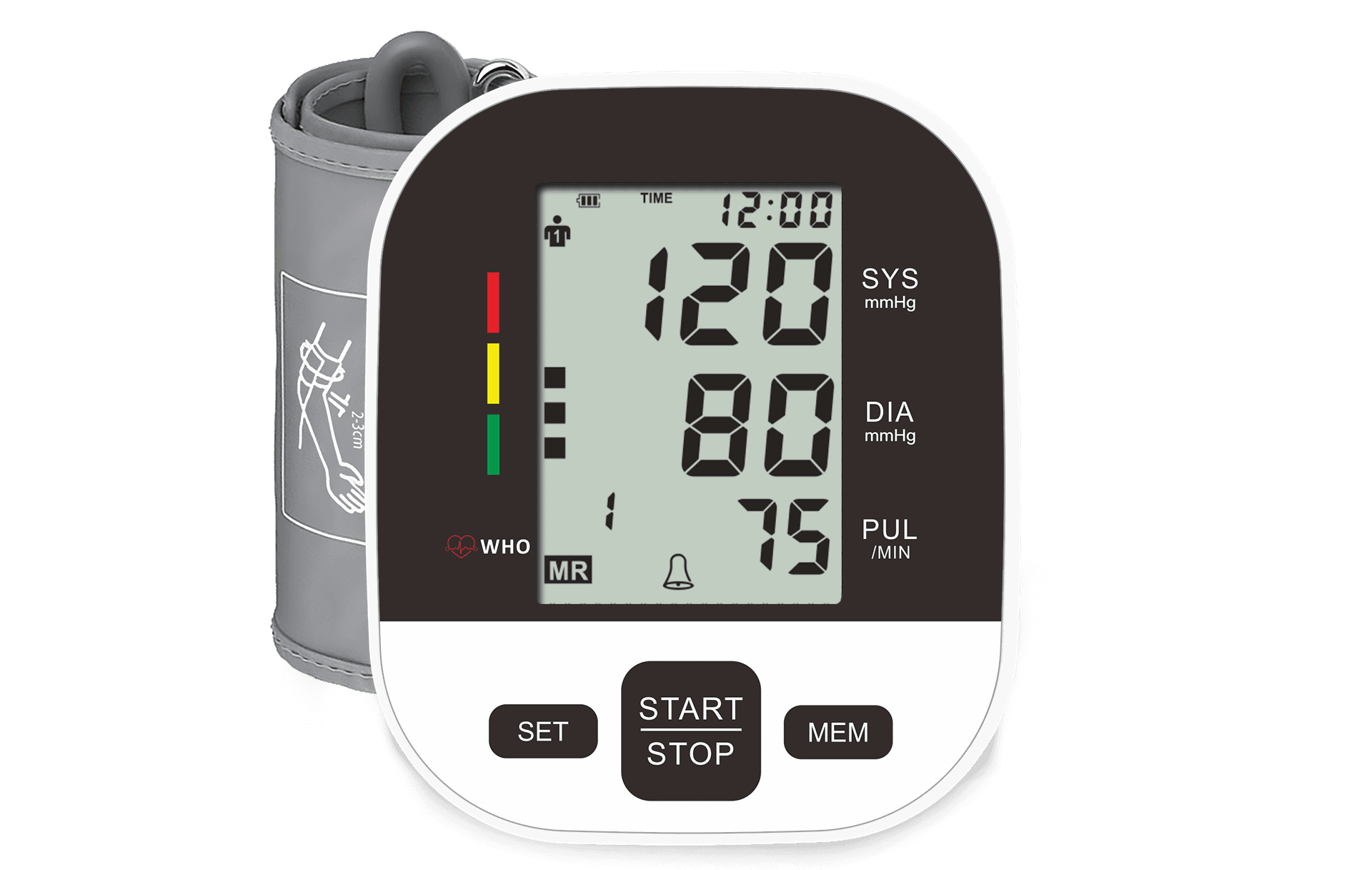
| Bornova Tensiomètre de bras | Automatic Arm Blood Pressure Monitor | CE | NC | Essential functions for standard use |
For versatile use in pharmacies or general medicine, the Omron M3 Comfort is a reliable and recognized choice for its ease of use [S7].
For more advanced diagnostics, such as screening for atrial fibrillation (a major risk factor for stroke), the Omron M6 Comfort AFib is the reference. Finally, for standard needs with a controlled budget, the Bornova arm blood pressure monitor offers the essential features and the required CE certification.
Installation, maintenance, and calibration: ensuring the longevity and accuracy of the device
A professional blood pressure monitor is an investment that needs to be maintained. To guarantee its long-term reliability, rigorous maintenance is essential.
- Calibration: This is the most important operation. Have the device's accuracy checked and adjusted by a qualified service every 1 to 2 years, as recommended by the manufacturer. Keep a record of each calibration.
- Regular maintenance: Clean and disinfect the casing and cuffs between each patient, in accordance with hygiene protocols. Regularly check the condition of the tubes to prevent any air leaks that would falsify the measurement.
- Power supply: Use quality batteries or the provided AC adapter to ensure stable power and avoid erroneous measurements or breakdowns.
Common mistakes to avoid when purchasing and using a professional blood pressure monitor
Certain errors can compromise the reliability of your measurements and the relevance of your investment. Here are the pitfalls to avoid.
- Sacrificing clinical validation for price: A cheap but unvalidated device is a clinical and legal risk. Validation is your primary quality criterion.
- Neglecting cuff size: Using a single cuff size guarantees false measurements. Always have a complete range (S, M, L, XL) at hand.
- Forgetting calibration: A blood pressure monitor loses accuracy over time. Non-compliance with the calibration schedule makes your measurements unreliable.
- Underestimating training: The best device is ineffective if misused. Ensure that all teams master the good practices of blood pressure measurement.
Frequently Asked Questions
What is the difference between a professional blood pressure monitor and a blood pressure monitor for home use?
A professional model is distinguished by its robustness for intensive use, stricter clinical validation, advanced features (multi-user, connectivity), and a range of cuffs provided. Consumer devices are designed for personal use and do not offer the same guarantees of durability and performance [S6].
How to check the clinical validation of a blood pressure monitor before purchase?
Look for the logos of validation protocols (ESH, BHS, AAMI) on the technical sheet or packaging. You can also consult the lists of recommended devices published by organizations such as the Société Française d'Hypertension Artérielle (frhta.org) [S6].
Is a wrist blood pressure monitor as reliable as an arm blood pressure monitor for professional use?
No. For reliable diagnosis or monitoring, only the arm blood pressure monitor is recommended by learned societies. Wrist models are too prone to positioning errors for rigorous clinical use [S8].
How often should a professional blood pressure monitor be calibrated?
The standard recommendation is calibration by an approved service every one to two years. Always refer to your device's user manual for the exact frequency recommended by the manufacturer.
What are the risks of using a clinically unvalidated blood pressure monitor?
The risks are major: erroneous diagnoses (hypertension or hypotension), inappropriate treatments, and ineffective monitoring. This compromises patient safety and directly engages your professional and civil liability [S2].
Sources
- Comment enquêter sur des incidents cliniques et les analyserhas-sante.fr
- Essais cliniques : procédure Phase pilote pour la constitution et le traitement des demandes pour les dispositifs médicaux - ANSMansm.sante.fr
- Quel est le meilleur tensiomètre électronique?girodmedical.com
- Vous surveillez votre tension artérielle? Voici les 3 meilleurs tensiomètresnoovomoi.ca
- Tensiomètres Automatiquesfrhta.org
Recommended products
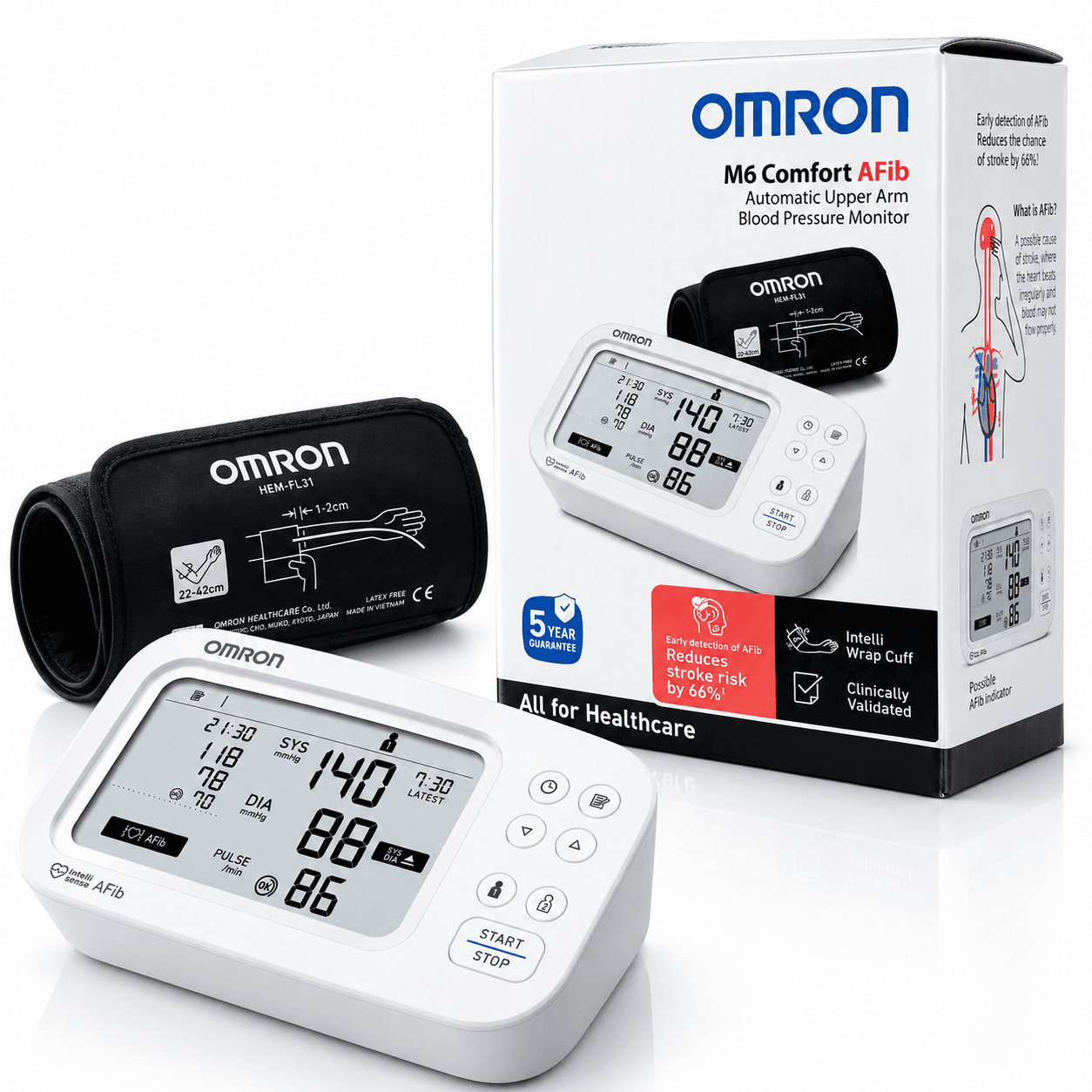
Omron M6 Comfort AFib Blood Pressure Monitor (HEM-7380-E)
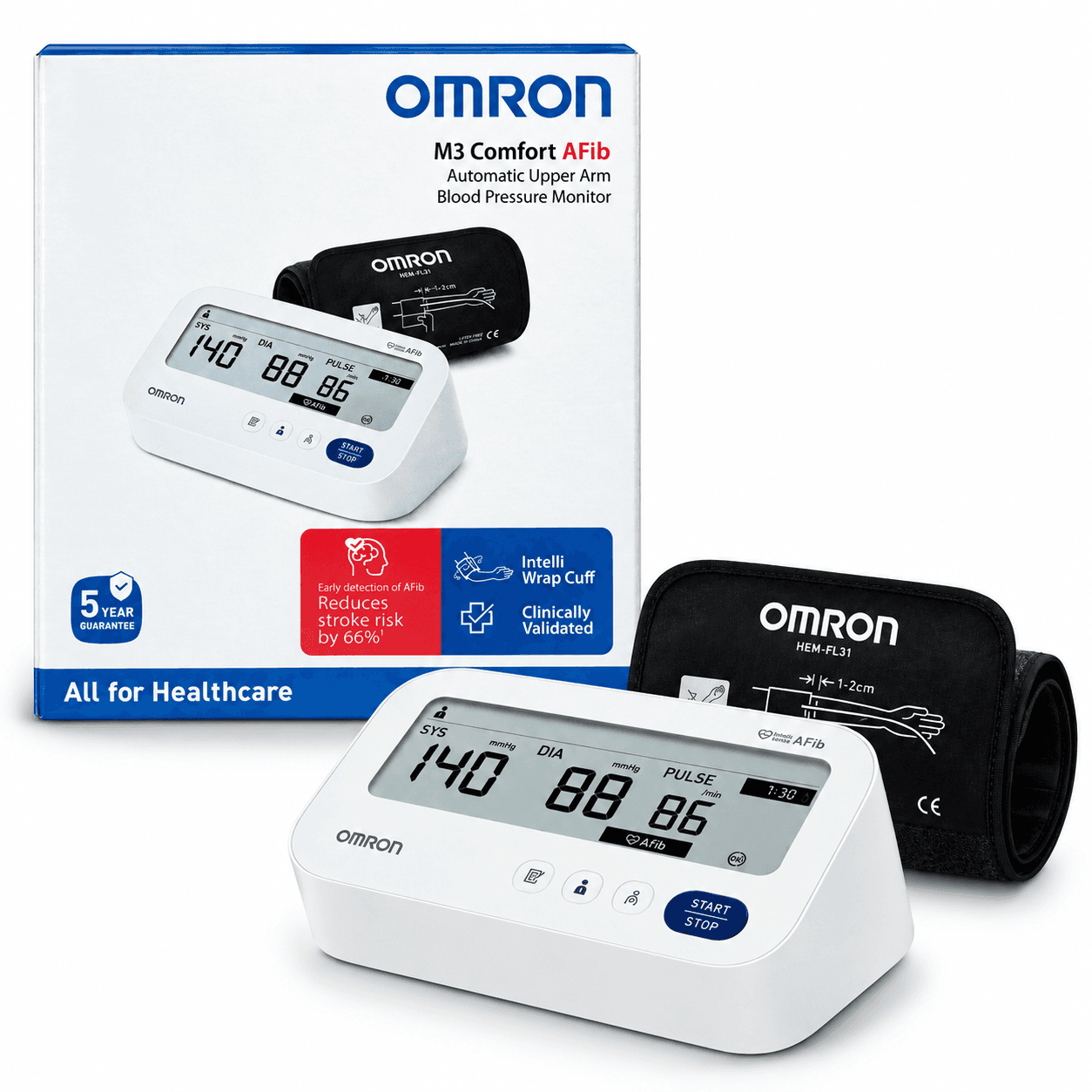
Omron M3 Comfort AFib Blood Pressure Monitor (HEM-7196-FLE)
Continue reading

 Oxymètre de Pouls
Choosing Your Oximeter: A Professional Buyer's Guide for Clinics & Pharmacies
A comprehensive guide to choosing the right professional pulse oximeter. Compare types (fingertip, remote sensor), understand key criteria (SpO2, PI, plethysmography), and standards (CE MDR, ISO 13485) for a reliable purchase in clinics or pharmacies.
 Seringue
Syringes: Comparative Guide and Selection Criteria for Healthcare Professionals
The complete guide to choosing the right medical syringe for your needs. Technical comparison (Luer Lock, Luer Slip, 2/3 parts), standards, and advice to optimize your costs and secure your supplies.