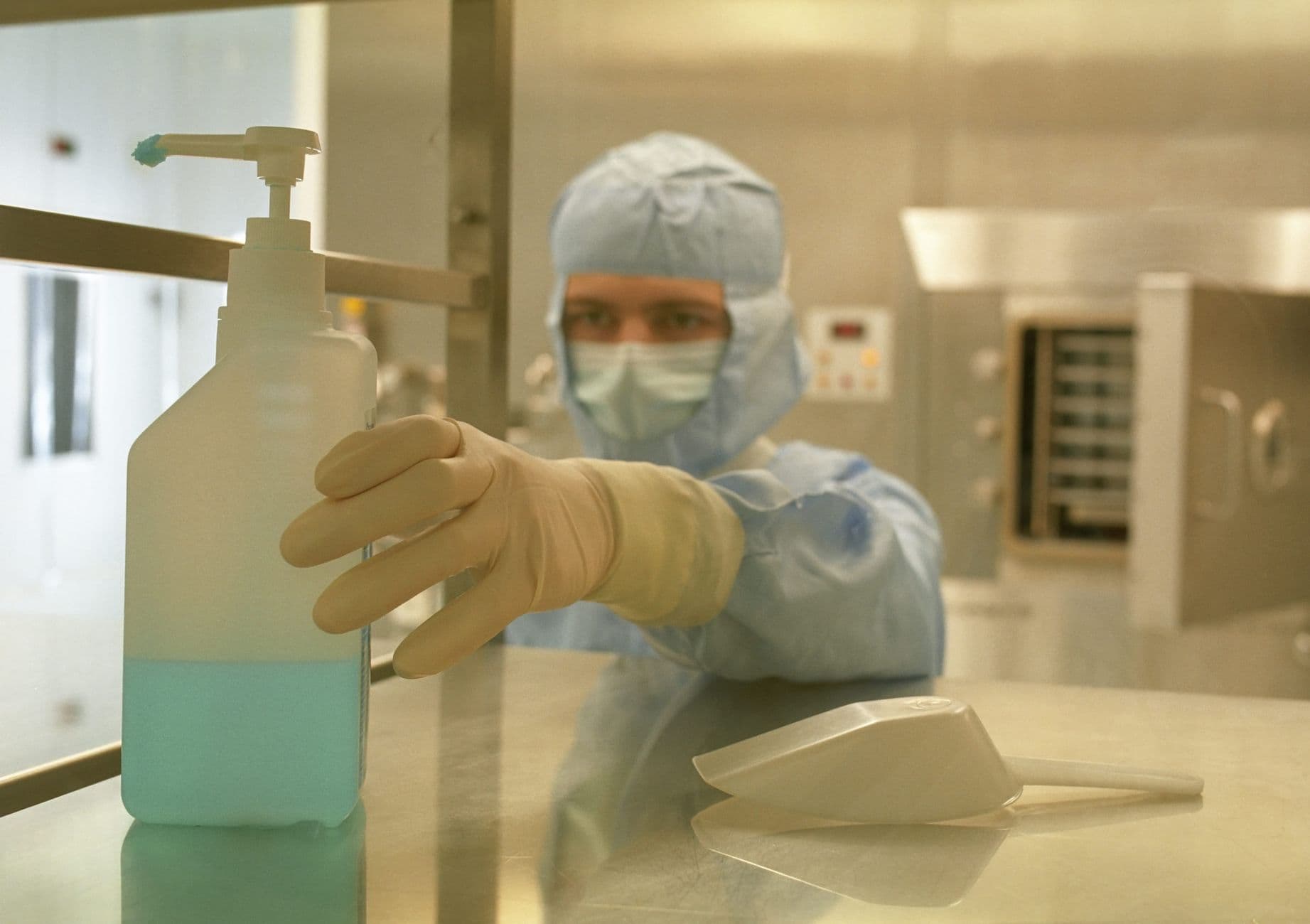
Master hygiene and disinfection in healthcare settings. This comprehensive guide covers essential protocols for hands, surfaces, and medical devices, the selection of compliant products (SF2H, EN), and risk management. An indispensable tool for patient safety and regulatory compliance.
Hygiene & Disinfection in Healthcare Facilities: The Complete Guide
Impeccable hygiene and disinfection are the foundations of patient and staff safety in healthcare facilities. They prevent Healthcare-Associated Infections (HAIs) through precise protocols, compliant products, and trained teams. From hand hygiene to the sterilization of medical devices, every action is a crucial link in the prevention chain.
Why are hygiene and disinfection crucial in healthcare facilities?
Hygiene and disinfection are crucial for a simple reason: they break the chain of microbial transmission and prevent Healthcare-Associated Infections (HAIs). These infections represent a major public health issue, threatening patient safety, prolonging hospital stays, and increasing costs for the healthcare system. Rigorously applying protocols is therefore a dual obligation: ethical towards patients and regulatory towards authorities [S7]. In France, HAIs still affect nearly 500,000 patients each year, with contaminated surfaces and medical devices being major transmission vectors [S8]. The prevention of infectious risk is thus at the heart of the quality of care approach, whether in hospitals, clinics, nursing homes (EHPAD), or medical practices.
Fundamental principles of hand hygiene for healthcare professionals
The fundamental principle is simple: alcohol-based hand rub (ABHR) disinfection is the reference method in most care situations [S3]. Hand washing with soap and water is reserved for cases where hands are visibly soiled, powdered, or after contact with a patient carrying Clostridioides difficile. ABHR is applied according to the 5 WHO indications: before and after patient contact, before an aseptic task, after a risk of exposure to body fluids, and after contact with the patient's surroundings. A correct technique, lasting approximately 30 seconds until complete drying, and systematic adherence to these indications are key to its effectiveness [S2]. For minor invasive procedures such as an injection, preventive skin antisepsis is an essential complementary step.
Disinfection protocols for surfaces and medical devices: methods and frequencies
Bionettoyage (cleaning and disinfection) protocols must be rigorously adapted to the level of infectious risk of the surface or device. To do this, it is imperative to master three distinct levels of action and the resulting classification.
The key distinction: Cleaning, Disinfection, Sterilization
Understanding these three terms is fundamental to applying the correct protocol and ensuring safety:
- Cleaning: This is the essential preliminary step. It consists of removing visible dirt (organic matter, dust) with a detergent. Cleaning does not kill microbes but reduces their number and allows the disinfectant to act effectively.
- Disinfection: This is an operation with a momentary result that eliminates or kills microorganisms and viruses on an inert surface [S5]. It is always performed after rigorous cleaning on non-critical or semi-critical surfaces and medical devices.
- Sterilization: This is the most demanding process, which destroys all forms of microbial life, including the most resistant bacterial spores. It is mandatory for critical medical devices that penetrate sterile tissues or the vascular system [S6].
Application according to Spaulding's classification
The choice of treatment depends on Spaulding's classification, which evaluates the infectious risk according to the device's use [S6]:
- Critical devices: They penetrate sterile tissues (surgical instruments, catheters). They require sterilization.
- Semi-critical devices: They come into contact with mucous membranes or broken skin (endoscopes). They require high-level disinfection.
- Non-critical devices: They come into contact with intact skin (stethoscopes, blood pressure cuffs). An intermediate or low-level disinfection after cleaning is sufficient.
Selection of disinfectants: essential criteria and types of products
The choice of a disinfectant is based on a multi-criteria evaluation: the required activity spectrum (bactericidal, virucidal, etc.), the necessary contact time, compatibility with materials, and the risk level of the area. The recommendations of the French Society for Hospital Hygiene (SF2H) and European standards (EN) are the references for validating a product's effectiveness [S5]. It is imperative to scrupulously follow the manufacturer's instructions (dilution, application time, personal protective equipment).
Decision-making aid table for selecting a surface disinfectant
This tool helps you select the appropriate product based on the context, relying on SF2H criteria [S5].
| Selection Criterion | Low risk level (e.g., floors, walls in common areas) | Intermediate risk level (e.g., worktop, workbench, patient furniture) | High risk level (e.g., surface near immunocompromised patient, operating room) |
|---|---|---|---|
| Minimum required activity spectrum | Bactericidal (EN 13727), Yeasticidal (EN 13624) | Bactericidal, Yeasticidal, Virucidal (at least on enveloped viruses, EN 14476) | Bactericidal, Fungicidal (EN 13624), Virucidal, or even Sporicidal (EN 17126) |
| Acceptable contact time | ~15 minutes | 5-15 minutes | < 5 minutes |
| Common product type | Detergent-disinfectant based on quaternary ammonium compounds | Wipes or spray based on alcohol or hydrogen peroxide | Product based on hydrogen peroxide, peracetic acid |
| Material compatibility | Broad compatibility | Check alcohol tolerance (e.g., certain plastics, plexiglass) | Potentially corrosive, follow manufacturer's recommendations |
Comparison of solutions for skin antisepsis
| Criterion | Bornova Alcohol Swabs | Bornova Alcohol Cotton Balls |
|---|---|---|
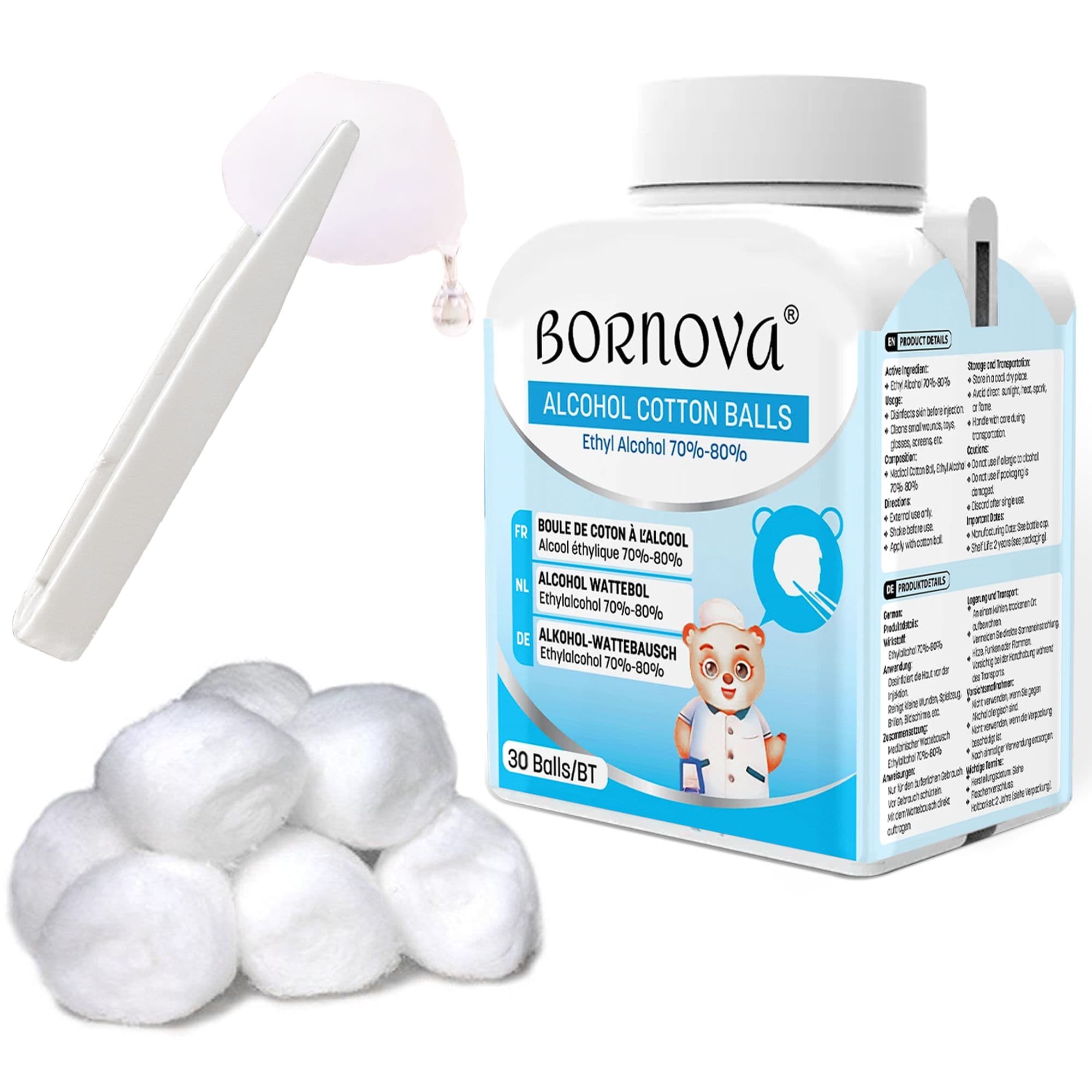
| Format | Pre-saturated non-woven swab, individual packaging | Pre-saturated cotton balls |
| Dimensions / Packaging | 3 x 6 cm | Bottle of 30 units |
| Certification | CE Medical Device | CE Medical Device |
| Usage recommended | Localized skin disinfection before injection, sampling, or minor surgery. Ready-to-use and hygienic format. | Antisepsis of intact skin before a minor invasive procedure. Ideal for care trolleys. |
Water management in healthcare facilities: a specific hygiene challenge
Water management is a major challenge because pipes can harbor and propagate dangerous bacteria such as Legionella pneumophila or Pseudomonas aeruginosa. Prevention relies on a global approach: network design that avoids water stagnation (dead legs), strict temperature control (hot water maintained above 50°C everywhere), and rigorous maintenance (regular flushing, descaling). Microbiological monitoring of water, regulated by law, is mandatory to detect any anomaly and act quickly [S4].
Key regulations and standards for hygiene and disinfection
To ensure compliance and safety, facilities must refer to a precise regulatory and normative framework:
- Public Health Code: It sets out the general obligations of establishments for the prevention of infectious risk [S7].
- Circular DGS/DH/AFSSAPS n° 2000-337: This key text regulates the disinfection and sterilization of medical devices according to Spaulding's classification [S6].
- SF2H Recommendations: The French Society for Hospital Hygiene publishes authoritative guides, particularly on the choice of disinfectants [S5] and good practices [S2].
- Opinions of the High Authority for Health (HAS): The HAS issues recommendations on hygiene and infection prevention, for example for medical practices [S3].
- European Standards (EN): They define the efficacy tests that disinfectants must pass to prove their bactericidal (EN 13727), fungicidal (EN 13624), virucidal (EN 14476), or sporicidal (EN 17126) activity.
Staff training and awareness: pillar of HAI prevention
The training of all personnel is the true pillar of prevention. A protocol is only effective if it is known, understood, and applied by everyone, from caregivers to bionettoyage teams. Training must be initial, continuous, and adapted to each position. It must cover practical aspects: ABHR technique, product dilution, label reading (standards, contact time), management of healthcare waste (DASRI), and conduct in case of blood exposure accidents. Monitoring indicators (alcohol-based hand rub consumption, audits) helps maintain vigilance and continuously improve practices.
Common mistakes to avoid in hygiene and disinfection
Several frequent errors can compromise the effectiveness of protocols. It is crucial to know them to avoid them:
- Omitting cleaning before disinfection: A disinfectant is ineffective on a surface soiled with organic matter. Cleaning is a non-negotiable prerequisite.
- Ignoring contact time: Wiping the product too soon cancels its action. The surface must remain visibly wet for the entire duration recommended by the manufacturer.
- Improvising dilutions: An under-dosed product is ineffective; an over-dosed product can be corrosive and costly. Use precise dosing systems.
- Using the same support everywhere: A wipe passed over several surfaces spreads contamination instead of eliminating it. Adopt the forward movement principle and single-use or dedicated supports per zone.
- Neglecting hand hygiene: Forgetting alcohol-based hand rub between two patients or two activities remains a major cause of cross-transmission.
Frequently Asked Questions
What are the key steps for effective hand disinfection in a healthcare setting?
For effective alcohol-based hand rub (ABHR), apply a dose of solution to dry hands and methodically rub all surfaces of the hands and wrists (palms, backs, interdigital spaces, thumbs, fingertips) until completely dry, which is approximately 30 seconds [S2].
How to choose the right disinfectant for surfaces and medical devices?
The choice depends on the risk level (Spaulding classification). For a critical device (sterile tissue contact), sterilization is mandatory. For a semi-critical device (mucous membrane contact), high-level disinfection is required. For non-critical material or surfaces, low to intermediate-level disinfection is sufficient. Then, verify that the product has the correct activity spectrum (EN standards), an appropriate contact time, and is compatible with the material [S5].
What is the difference between cleaning, disinfection, and sterilization?
Cleaning removes visible dirt. Disinfection kills the majority of pathogenic microbes on an inert object. Sterilization is an absolute process that destroys all forms of microbial life, including the most resistant spores, to achieve a sterile state [S6].
What are the risks associated with improper disinfection of medical devices?
Improper disinfection or sterilization exposes patients to a high risk of Healthcare-Associated Infections (HAIs). This can lead to the transmission of bacteria (including multi-resistant ones), viruses, or fungi, causing severe infections, prolonging hospitalization, and potentially endangering vital prognosis.
Sources
- Désinfection des surfaces en milieu de soins : guide completdelcourt.fr
- [PDF] Bonnes pratiques - essentielles en hygiène - SF2Hsf2h.net
- [PDF] Hygiène et prévention du risque infectieux en cabinet médical ... - HAShas-sante.fr
- Circulaire DGS/DH/AFSSAPS n° 2000-337 du 20 juin 2000sante.gouv.fr
- [PDF] Guide pour le choix des désinfectants - SF2H - Janvier 2015sf2h.net
- [PDF] L'eau dans les établissements de santésante.gouv.fr
- [PDF] Sécurité sanitaire dans les établissements de santésante.gouv.fr
Recommended products
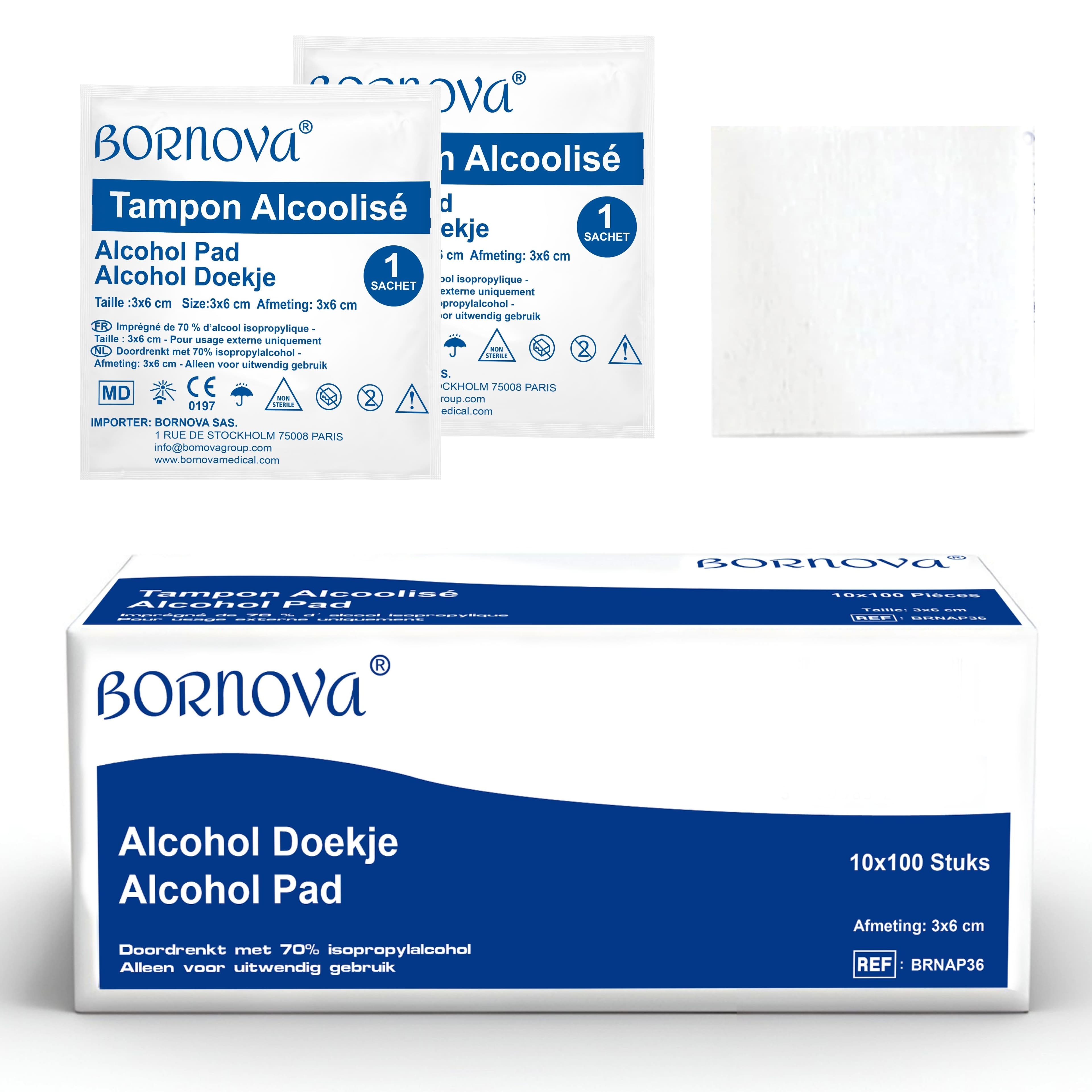
BORNOVA — Alcohol Swabs 70% Isopropyl 3 × 6 cm
Continue reading
 Incontinence
Incontinence: A Purchasing Guide for Clinics and Pharmacies
A practical guide for clinic and pharmacy buyers. Discover how to choose the right incontinence devices by balancing clinical needs, regulatory compliance, and logistical efficiency to improve care quality.
 Seringue
Syringes: Comparative Guide and Selection Criteria for Healthcare Professionals
The complete guide to choosing the right medical syringe for your needs. Technical comparison (Luer Lock, Luer Slip, 2/3 parts), standards, and advice to optimize your costs and secure your supplies.