

A purchasing guide for clinics and pharmacies. Learn how to choose compliant medical textiles (CE, MDR) to ensure patient and staff safety. Technical criteria, single-use vs. reusable analysis, and tips for optimizing your supplies.
Medical Textiles: The Purchasing Guide for Healthcare Professionals
The choice of medical textiles is a critical decision for any clinic or pharmacy. It impacts patient safety, staff protection, and the regulatory compliance of your establishment. This guide helps you select appropriate products by analyzing materials, standards (CE marking), and the debate between single-use and reusable options for a secure and optimized supply chain.
The Crucial Importance of Medical Textiles in Risk Management
Medical textiles are your first line of defense against healthcare-associated infections (HAIs). They form a physical barrier against microorganisms, protecting both patients and healthcare personnel. A rigorous selection process is therefore a cornerstone of your risk management, essential for ensuring the quality and safety of care[S4]. Beyond protection, the quality of textiles also influences patient comfort and perception of care. An informed purchasing strategy, validated by your hygiene experts, is indispensable for preventing cross-contamination and ensuring regulatory compliance.
Types of Medical Textiles and Their Specific Applications
Medical textiles are categorized by their use. Understanding these distinctions is the first step to properly equipping your facility and choosing the right level of protection for each situation.
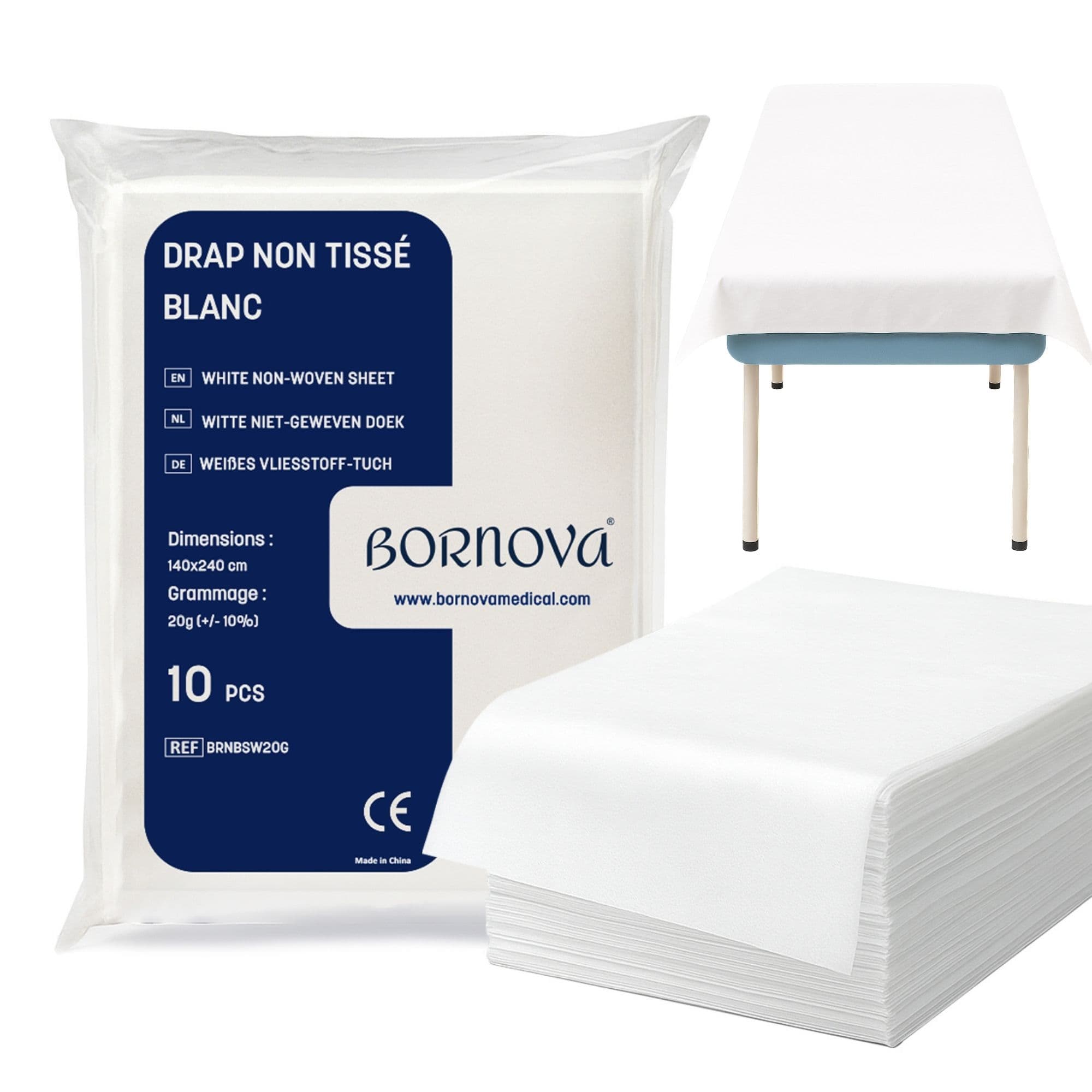
- Protective and Examination Linen: This category includes examination sheets, underpads, and pillowcases, generally for single-use. Their role: to protect furniture (tables, beds) and prevent cross-contamination between patients. Non-woven material is the material of choice for its absorbency and barrier effect.
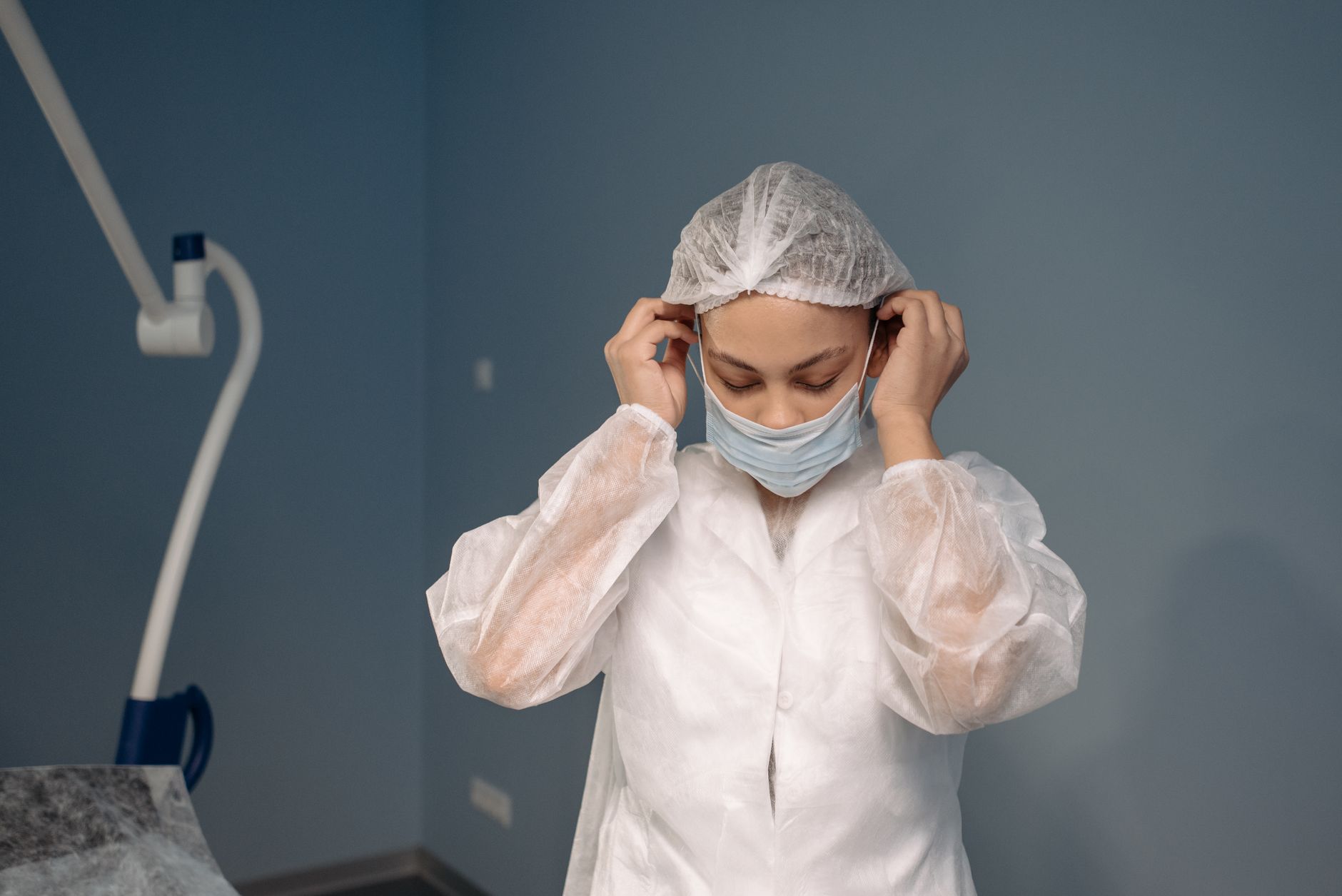
- Protective Clothing (MD or PPE): These are gowns, shoe covers, caps, and masks that protect personnel from bodily fluids and pathogens. They also limit the dissemination of microorganisms by caregivers, particularly through features like elasticized cuffs[S8].
- Surgical and Procedure Drapes: Essential for defining a sterile field during interventions or procedures, they prevent site infection. Their performance, such as impermeability and tear resistance, is critical for maintaining asepsis.
- Compresses and Dressings: Classified as medical devices in their own right, compresses (non-woven or gauze) are technical textiles used to clean wounds or create dressings. Their biocompatibility is a key requirement.
Essential Criteria for Choosing Compliant Medical Textiles
To make the right choice, evaluate three criteria beyond price: material composition, barrier performance, and regulatory classification according to the intended use. These elements ensure the product's safety and suitability for your needs.
Composition and Material: The Choice of Non-Woven Fabric
The material is decisive. Non-woven polypropylene dominates for single-use due to its barrier efficiency, lightness, and controlled cost. For reusable items, polyester-cotton blends are common, while 100% cotton is to be avoided in operating rooms as it retains moisture and releases particles, promoting microbial proliferation[S8].
Performance and Barrier Properties
The primary function of a medical textile is to act as a barrier. Check its resistance to penetration by liquids (blood, fluids) and microorganisms. The technical data sheet should also mention other performance indicators: tensile strength (tear resistance), low particle release (essential in sterile environments), and breathability for user comfort.
Intended Use and Regulatory Classification
The intended use determines the level of requirement. A textile for sterile use or in contact with compromised skin must meet stricter criteria. If it is considered a medical device (gowns, drapes), it must bear the CE marking, proof of its conformity with European regulations on safety and performance[S2].
Key Standards and Regulations for Secure Purchasing
Secure purchasing involves verifying regulatory compliance, primarily the Medical Device Regulation (MDR 2017/745). This compliance is visible through the CE marking, but it must be supported by comprehensive technical documentation that the supplier is obliged to provide. Specific standards, such as EN 13795 for surgical gowns or the NF EN 455 series for medical gloves, detail the required performance tests (resistance, cleanliness, microbial barrier)[S6]. It is your responsibility to demand these proofs of conformity to validate your choices.
Textile Management: The Shift Towards Single-Use
The choice between single-use and reusable is strategic. Today, single-use is increasingly recommended by health authorities to better control infectious risk, especially when its performance is equivalent to reusable options[S1]. Total cost analysis is essential. Reusable items hide significant costs: collection logistics, washing, disinfection, sterilization, repair, and quality controls. The hygiene and disinfection of these textiles must follow strict and validated protocols[S1]. Single-use simplifies management, guarantees new performance with each use, and eliminates the risk of contamination during reprocessing.
Comparative Table of Single-Use Textiles
Here is a selection of single-use medical textiles and their technical specifications to illustrate the selection criteria.
| Product | Main Material | Certification | Specific Use | Notable Features |
|---|---|---|---|---|
| Disposable Protective Gown | Non-woven Polypropylene | CE | Healthcare Personnel Protection (PPE) | Barrier to fluids and splashes |
| Disposable Examination Sheet | Non-woven Polypropylene | CE | Furniture Protection (table, bed) | Dimensions: 140 × 240 cm |
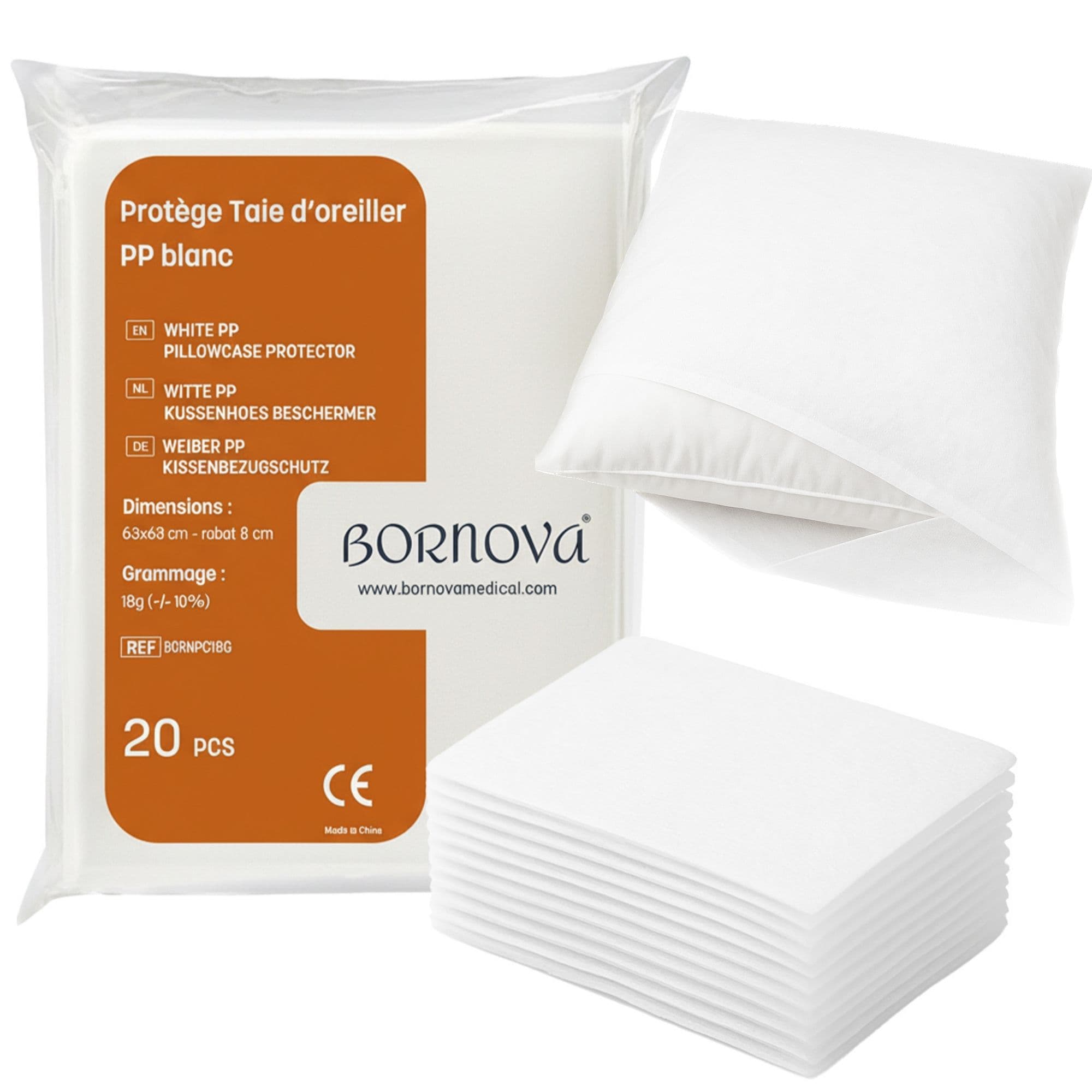
| Disposable Pillowcase | Non-woven Polypropylene | CE | Pillow and Bed Hygiene | With flap, 63 × 63 cm |
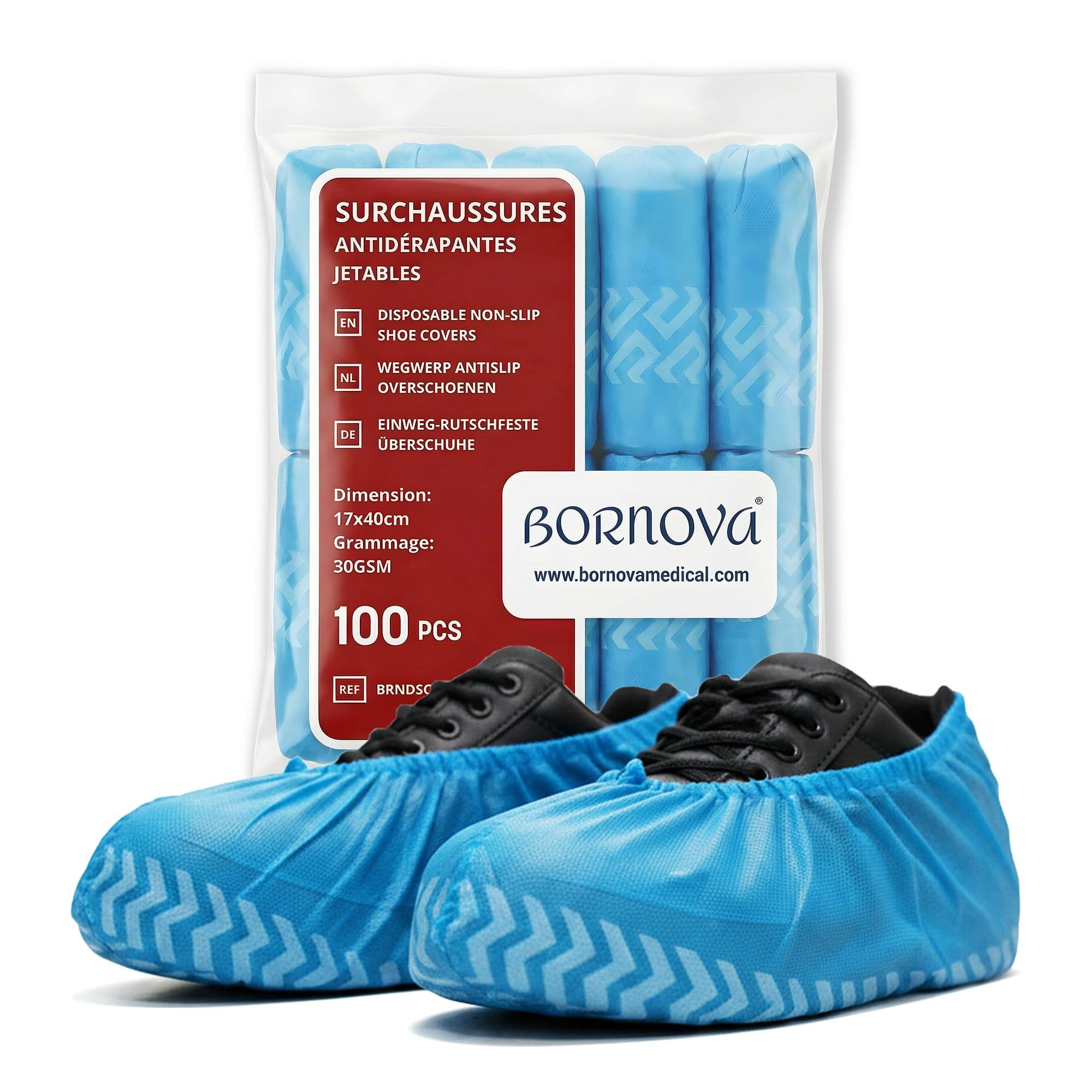
| Disposable Shoe Covers | Non-woven Polypropylene | CE | Floor Contamination Control | Non-slip, One size |
Practical Advice for Purchasing and Storage
Successful procurement rests on two pillars: precise specifications and a reliable supplier, complemented by rigorous inventory management. To optimize B2B medical supply, involve your infection risk prevention experts in drafting the specifications to define the right technical requirements[S3]. Then, choose a supplier capable of guaranteeing traceability, continuity of deliveries, and the conformity of their catalog[S2]. Finally, store textiles in a clean, dry place, away from light and humidity, applying a "first-in, first-out" (FIFO) stock rotation to manage expiration dates[S5].
Common Mistakes to Avoid During Selection
To secure your investment, avoid these five common mistakes:
- Focusing solely on unit price: Consider the total cost of ownership, which includes management (reprocessing, waste) and risks associated with inferior quality.
- Neglecting documentation: Always demand and verify conformity certificates (CE declaration of conformity, test reports). This is a legal obligation and a guarantee of performance.
- Underestimating storage: Inadequate storage (humidity, light) degrades products and nullifies their barrier properties[S5].
- Choosing unsuitable material: A non-impermeable textile for a high-risk procedure or a non-breathable one for prolonged wear compromises safety and comfort.
- Ignoring user feedback: Consult your healthcare staff. A product deemed uncomfortable or impractical is unlikely to be used correctly, affecting adherence to protocols.
Frequently Asked Questions
What are the different types of medical textiles and their specific uses in a clinic or pharmacy?
There are four main families: protective linen (sheets, underpads) for furniture, personal protective clothing (PPE) (gowns, masks) for staff, procedure drapes to define a sterile area, and compresses for dressings and wound cleaning.
How can one ensure that the chosen medical textiles comply with hygiene and safety standards?
Systematically check two points: the presence of the CE marking on the product, which certifies its conformity with applicable European regulations (e.g., Regulation (EU) 2017/745 for medical devices or Regulation (EU) 2016/425 for PPE), and request the associated technical documentation from the supplier (declaration of conformity, technical data sheets, test reports according to standards like EN 13795).
Should single-use or reusable medical textiles be preferred, and why?
Single-use is increasingly recommended for its ability to better control infectious risk[S1]. It eliminates the dangers of cross-contamination associated with reprocessing, guarantees optimal performance with each use, and simplifies logistics. Its direct cost is often offset by the absence of hidden costs of reusable items (washing, sterilization, labor).
What are the quality and conformity criteria to check when purchasing medical textiles?
Essential criteria include: CE marking, conformity with harmonized standards, material performance (non-woven is a benchmark), effectiveness of the barrier to fluids and microbes, mechanical resistance, and low particle release. The reliability and traceability offered by your supplier are equally crucial.
Sources
- Hygiène au cabinet médical - Recommandationshas-sante.fr
- Guide pédagogique de l'OMS pour la sécurité des patientshas-sante.fr
- Les tenues professionnelles dans les établissements de santécpias-auvergnerhonealpes.fr
- dispositif médical - Snitemsnitem.fr
- guide de bonnes pratiques pour la prévention des infections liées aux soins réalisés en dehors des établissements de santésante.gouv.fr
- Guide de bonnes pratiques de traitement des dispositifs médicaux réutilisablessf2h.net
- Bonnes pratiques de stockage et de distribution des produits médicauxcdn.who.int
Recommended products
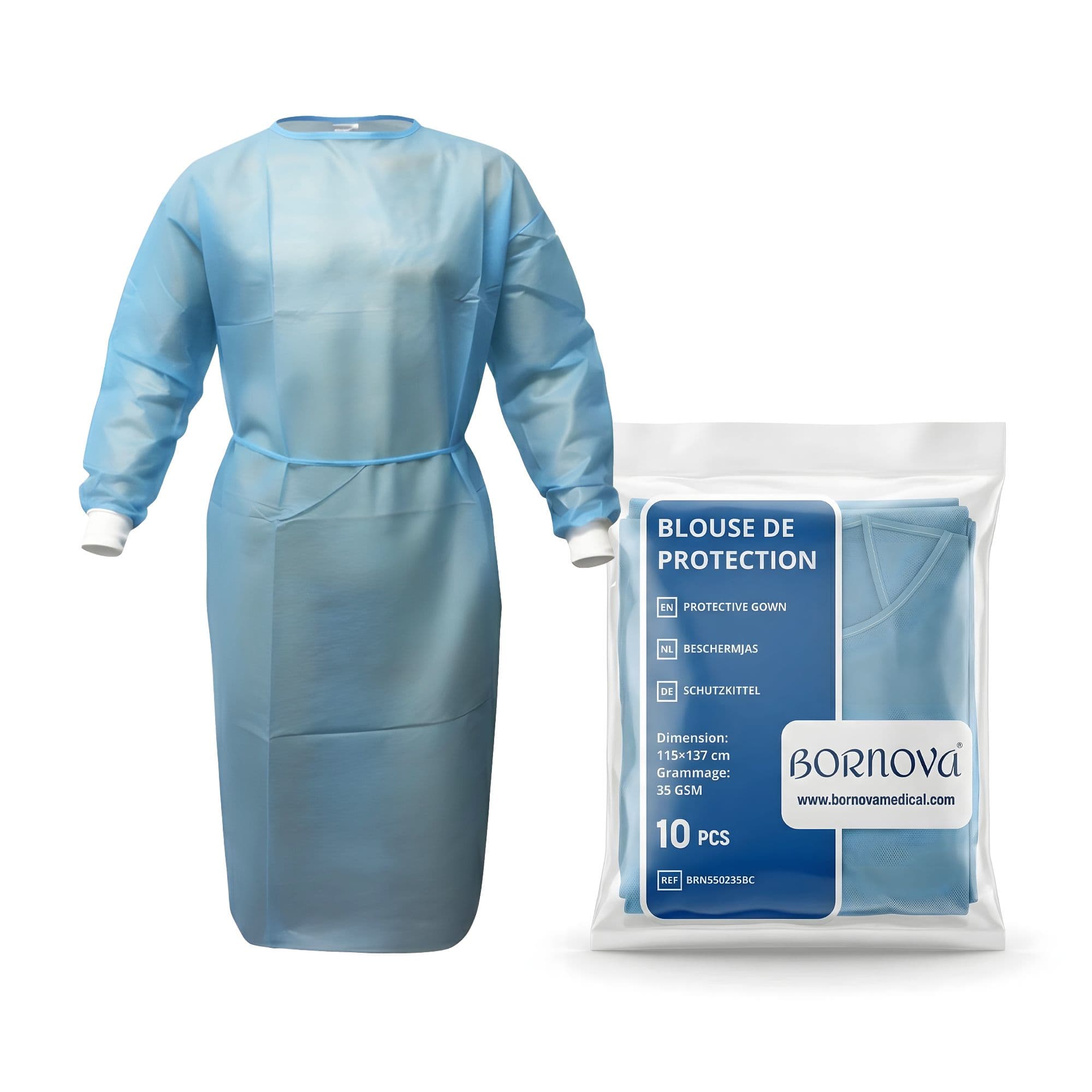
BORNOVA — Disposable Non-Woven Polypropylene Protective Gown
BORNOVA — Disposable Non-Slip Shoe Covers, One Size
Continue reading
 Incontinence
Incontinence: A Purchasing Guide for Clinics and Pharmacies
A practical guide for clinic and pharmacy buyers. Discover how to choose the right incontinence devices by balancing clinical needs, regulatory compliance, and logistical efficiency to improve care quality.
 Oxymètre de Pouls
Choosing Your Oximeter: A Professional Buyer's Guide for Clinics & Pharmacies
A comprehensive guide to choosing the right professional pulse oximeter. Compare types (fingertip, remote sensor), understand key criteria (SpO2, PI, plethysmography), and standards (CE MDR, ISO 13485) for a reliable purchase in clinics or pharmacies.