
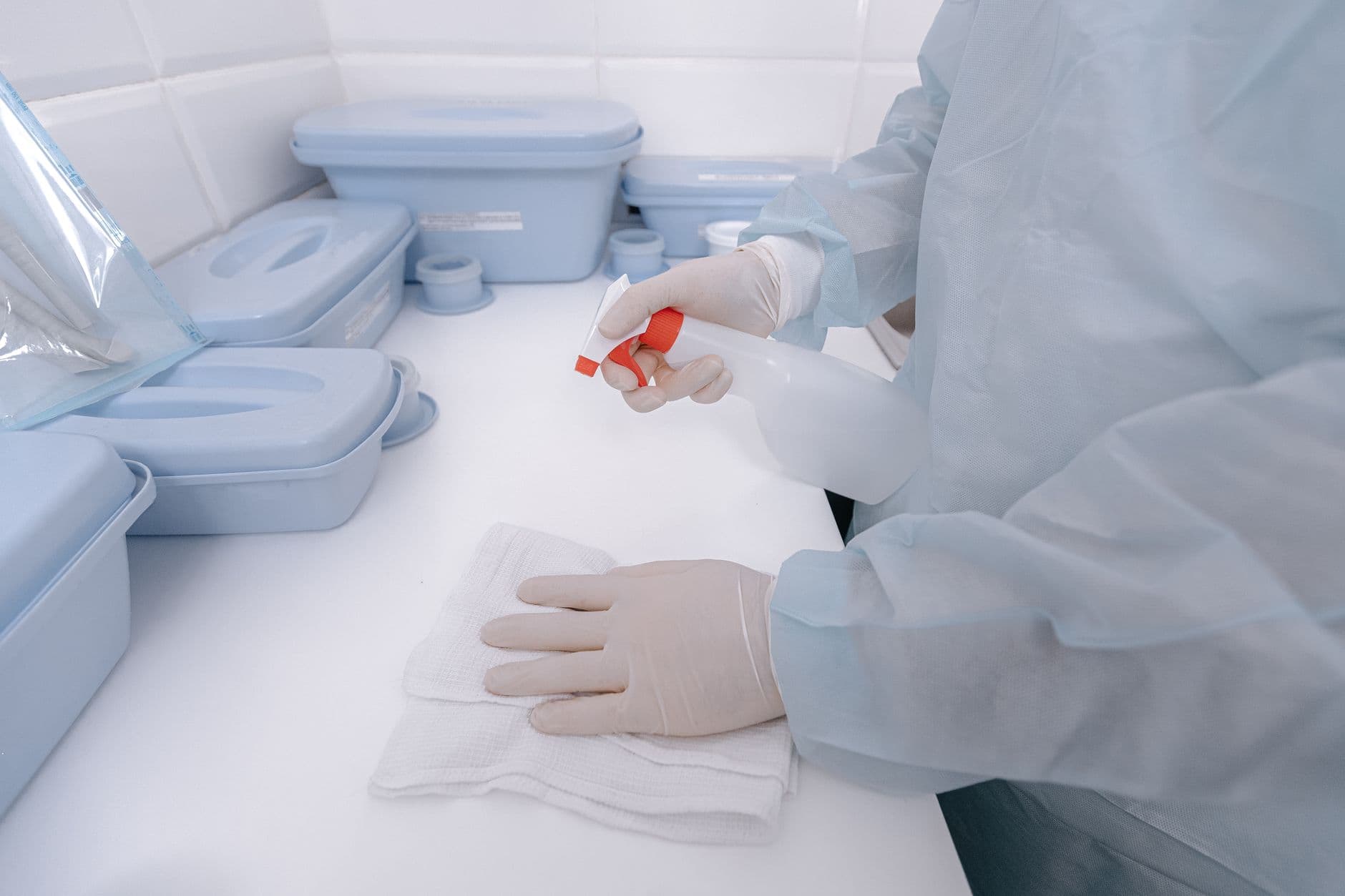
Wie wählen Sie das richtige Desinfektionsmittel für Ihre Klinik oder Apotheke aus? Dieser praktische Leitfaden hilft Ihnen, Normen zu entschlüsseln, Produkte anhand von 5 wesentlichen Kriterien zu bewerten und Fehler zu vermeiden, die die Sicherheit von Patienten und Personal gefährden.
Wie man ein professionelles Desinfektionsmittel auswählt: Der Leitfaden für Kliniken und Apotheken
Die Wahl des richtigen Desinfektionsmittels ist eine entscheidende Entscheidung für die Sicherheit Ihrer Patienten und Ihres Personals. Die Auswahl sollte nicht zufällig erfolgen, sondern auf einer strengen Analyse Ihrer Bedürfnisse, des Infektionsrisikos und der Normen, einschließlich der Rahmennorm NF EN 14885 [S5], basieren. Dieser Leitfaden gibt Ihnen eine klare Methode und objektive Kriterien an die Hand, um die am besten geeigneten Desinfektionsprodukte für Ihr professionelles Umfeld auszuwählen.
Die verschiedenen Arten von Desinfektionsmitteln und ihre spezifischen Anwendungen verstehen
Um die richtige Wahl zu treffen, muss man zunächst wissen, dass Desinfektionsmittel nach ihrer chemischen Zusammensetzung und ihrem Wirkungsspektrum (den Mikroorganismen, die sie inaktivieren) klassifiziert werden. Jede Produktfamilie hat Eigenschaften, die sie für bestimmte Anwendungen prädestinieren. Der erste Schritt besteht darin, ein Antiseptikum, das auf die Haut aufgetragen wird, klar von einem Desinfektionsmittel zu unterscheiden, das für Oberflächen und inertes Material reserviert ist.
Die großen Familien chemischer Desinfektionsmittel
Die Wahl des Wirkstoffs hängt von der gewünschten Wirksamkeit, der Materialverträglichkeit und der Anwendungssicherheit ab. Lesen Sie immer sorgfältig das technische Datenblatt und das Sicherheitsdatenblatt (SDB).
- Alkohole (Ethanol, Isopropanol): Schnelle Wirkung und breites Spektrum (bakterizid, fungizid, viruzid gegen behüllte Viren). Sie trocknen schnell und rückstandsfrei, was sie ideal für kleine Oberflächen, nicht tauchfähige Medizinprodukte und die Händedesinfektion macht. Ihre Entflammbarkeit erfordert Vorsichtsmaßnahmen bei der Lagerung.
- Quaternäre Ammoniumverbindungen (Benzalkoniumchlorid): Gute reinigende und desinfizierende Eigenschaften (bakterizid, levurozid). Sie sind gute 2-in-1-Produkte für Umgebungen mit geringem Risiko. Ihr viruzides Spektrum ist jedoch begrenzt, insbesondere bei unbehüllten Viren.
- Chlorverbindungen (Natriumhypochlorit / Bleichmittel): Sehr breites Spektrum (sporizid in hoher Konzentration) und kostengünstig. Ihre Nachteile: Sie sind korrosiv für Metalle, instabil (erfordern frische Verdünnungen) und werden durch organische Materialien (Blut, Eiter) inaktiviert, was eine vorherige Reinigung obligatorisch macht.
- Peressigsäure: Hochwirksames Desinfektionsmittel, wirksam bei niedrigen Temperaturen und mit breitem Spektrum (einschließlich sporizid). Weniger empfindlich gegenüber organischem Material als Chlor, kann es jedoch für bestimmte Metalle wie Kupfer oder Messing korrosiv sein.
- Aldehyde (Glutaraldehyd, Formaldehyd): Historisch für die hochwirksame Desinfektion verwendet, schränkt ihre anerkannte Toxizität (reizend, sensibilisierend, potenziell krebserregend) ihre Verwendung zugunsten sichererer Alternativen wie Peressigsäure stark ein.
Der Entscheidungsprozess: 5 wesentliche Kriterien für die Auswahl eines Desinfektionsmittels
Um das richtige Desinfektionsmittel auszuwählen, bewerten Sie systematisch 5 Kriterien: Anwendung und Risikostufe, erforderliches Wirkungsspektrum, Normenkonformität, Einwirkzeit und Anwendungssicherheit. Dieser strukturierte Ansatz gewährleistet eine zuverlässige, sichere und Ihren Hygieneprotokollen entsprechende Desinfektion [S3].
- Anwendung und Risikostufe definieren (Spaulding-Klassifikation): Identifizieren Sie zunächst die Anwendung (Hände, Böden, Oberflächen, Medizinprodukt) und bewerten Sie dann das damit verbundene Infektionsrisiko mithilfe der Spaulding-Klassifikation:
- Nicht-kritisch: Kontakt mit intakter Haut (z.B. Stethoskop, Möbel). Erfordert eine Desinfektion auf niedrigem oder mittlerem Niveau.
- Semi-kritisch: Kontakt mit Schleimhäuten oder geschädigter Haut (z.B. Endoskop, zahnärztliches Material). Erfordert eine Desinfektion auf hohem Niveau.
- Kritisch: Eindringen in sterile Gewebe oder das Gefäßsystem (z.B. chirurgische Instrumente). Erfordert eine Sterilisation.
- Erforderliches Wirkungsspektrum validieren: Stellen Sie sicher, dass das Produkt gegen die relevanten Krankheitserreger wirksam ist. Ein Händedesinfektionsmittel muss mindestens bakterizid und viruzid gegen behüllte Viren sein. Im Falle einer Gastroenteritis-Epidemie ist eine Aktivität gegen unbehüllte Viren (z.B. Norovirus) unerlässlich.
- Normenkonformität überprüfen: Das Produkt muss seine Wirksamkeit durch spezifische europäische Normen (EN) nachweisen, die durch die Rahmennorm NF EN 14885 [S5] abgedeckt sind.
- Einwirkzeit analysieren: Dies ist die Mindestdauer, während der die Oberfläche feucht bleiben muss, damit das Produkt wirksam ist. Eine zu lange Zeit (z.B. 15 Min.) ist für stark frequentierte Bereiche unrealistisch. Eine sehr kurze Zeit muss genau eingehalten werden.
- Verträglichkeit und Sicherheit bewerten: Das Produkt darf Oberflächen nicht beschädigen (Korrosion, Verfärbung). Die Sicherheit der Benutzer ist von größter Bedeutung: Konsultieren Sie das SDB, um die Risiken (Dämpfe, Reizung) und die erforderliche persönliche Schutzausrüstung (PSA) zu kennen. Bei Antiseptika ist die Hautverträglichkeit ein wichtiges Kriterium [S2].
Normen und Vorschriften entschlüsseln: Der Schlüssel zur Konformität
Die Einhaltung der Vorschriften ist nicht verhandelbar und basiert auf der europäischen Norm NF EN 14885. Diese Rahmennorm testet keine Produkte, sondern spezifiziert die Wirksamkeitsnormen (sogenannte „vertikale“ Normen), die ein Produkt für eine bestimmte Anwendung erfüllen muss [S5]. Als Käufer suchen Sie auf dem technischen Datenblatt nach den Normen, die Ihren Anforderungen entsprechen:
- Händedesinfektion: EN 13727 (bakterizid), EN 13624 (levurozid), EN 14476 (viruzid), EN 1500 (praktischer Reibetest).
- Oberflächendesinfektion: EN 13697 (bakterizid/fungizid auf nicht poröser Oberfläche), EN 14476 (viruzid).
- Instrumentendesinfektion: Komplexe spezifische Normen je nach Verfahren (z.B. EN 14561, EN 14562, EN 14563).
Beachten Sie, dass Desinfektionsmittel für Medizinprodukte selbst Medizinprodukte (oder Zubehör) sind. Produkte für Oberflächen und Räumlichkeiten fallen hingegen unter die Biozidprodukte-Verordnung und nicht unter die Arzneimittelverordnung, wie im Code de la santé publique [S6] präzisiert. Weitere Informationen finden Sie in unserem Leitfaden zur Regulierung von Medizinprodukten.
Fokus auf Händedesinfektion: Produkte und bewährte Verfahren
Für eine effektive Händehygiene sollte die Wahl eines alkoholischen Händedesinfektionsmittels (PHA) auf dessen Wirkungsspektrum, Hautverträglichkeit und Praktikabilität basieren. Händehygiene bleibt die einfachste und wirksamste Maßnahme zur Vorbeugung von nosokomialen Infektionen. Sie erfolgt durch Waschen mit Wasser und Seife oder, wenn die Hände nicht sichtbar verschmutzt sind, durch Reiben mit einem PHA [S2].
Die Auswahlkriterien für ein PHA umfassen:
- Ein breites, validiertes Wirkungsspektrum: Mindestens bakterizid (EN 13727) und viruzid gegen behüllte Viren (EN 14476).
- Eine ausgezeichnete Hautverträglichkeit: Das Vorhandensein von weichmachenden und feuchtigkeitsspendenden Mitteln (Glycerin) ist unerlässlich, um eine häufige Anwendung durch das Personal zu fördern.
- Eine praktische Anwendung: Die Textur (Gel, Lösung, Schaum) und die Verpackung (Pumpflasche, Wandspender) müssen für eine intensive Nutzung geeignet sein.
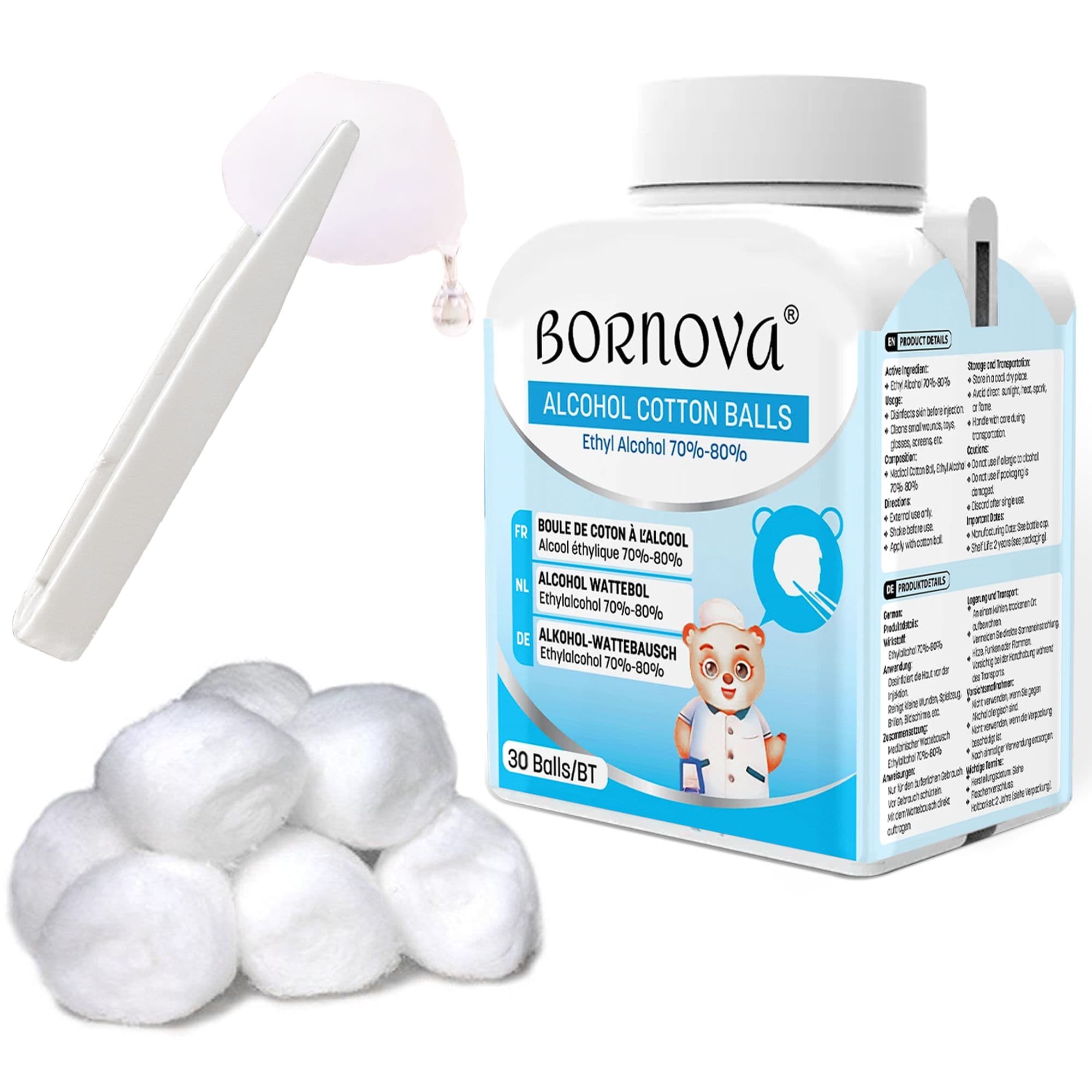
Für kleinere invasive Eingriffe wie eine Injektion wird die Antiseptik der gesunden Haut durch gebrauchsfertige Lösungen vereinfacht, die eine angemessene Alkoholkonzentration und eine gezielte Anwendung gewährleisten.
Diese vorgetränkten Tupfer oder Wattebäusche sind Medizinprodukte, die den antiseptischen Vorgang vor einer Entnahme oder Injektion standardisieren und sichern.
Anwendungsfall: Das richtige Desinfektionsverfahren je nach Anwendung wählen
Das richtige Desinfektionsprotokoll hängt direkt vom Risikograd ab. Oberflächen mit geringem Kontakt (Böden, Wände) begnügen sich mit einer Reinigung mit einem niedrigwirksamen Reinigungs-Desinfektionsmittel. Im Gegensatz dazu erfordern semi-kritische oder kritische Medizinprodukte eine hochwirksame Desinfektion oder Sterilisation, immer nach einer sorgfältigen Reinigung [S5].
Entscheidungstabelle: Das richtige Desinfektionsverfahren wählen
| Anwendungstyp | Risikostufe (Spaulding) | Minimales Wirkungsspektrum | Wichtige Referenznorm | Beispiele für Wirkstoffe |
|---|---|---|---|---|
| Böden, Wände, allgemeine Möbel | Nicht-kritisch | Bakterizid, levurozid | EN 13697 | Quaternäre Ammoniumverbindungen |
| Arbeitsflächen, Labortische, Griffe | Intermediär | Bakterizid, viruzid (behüllte Viren) | EN 14476 | Alkohole, Chlorverbindungen (verdünnt) |
| Nicht-kritische Medizinprodukte (Stethoskop, Blutdruckmessgerät) | Nicht-kritisch | Bakterizid, viruzid | EN 14476 | Tücher auf Alkoholbasis |
| Semi-kritische Medizinprodukte (Endoskop, Vaginalsonde) | Semi-kritisch | Bakterizid, mykobakterizid, fungizid, viruzid | Mehrere (gemäß EN 14885) | Peressigsäure |
| Vorbehandlung von DASRI vor der Banalisierung | Hoch | Durch die Norm definiert | NF X 30-503-1 [S7] | Durch das Gerät validiertes Verfahren |
4 häufige Fehler, die die Desinfektion beeinträchtigen
Selbst das beste Desinfektionsmittel ist unwirksam, wenn es falsch angewendet wird. Hier sind 4 häufige Fehler, die Sie vermeiden sollten, um die Sicherheit Ihrer Protokolle zu gewährleisten.
- Reinigung und Desinfektion verwechseln: Die Reinigung entfernt Verschmutzungen, die die Wirkung von Desinfektionsmitteln blockieren können. Die Desinfektion inaktiviert Mikroorganismen. Die Reinigung ist daher eine unverzichtbare Voraussetzung für eine wirksame Desinfektion.
- Das technische Datenblatt ignorieren: Es enthält wichtige Informationen: Verdünnung, Einwirkzeit, Wirkungsspektrum, Vorsichtsmaßnahmen bei der Anwendung. Sich ausschließlich auf das kommerzielle Etikett zu verlassen, ist ein Fehler.
- Nur ein Produkt für alles verwenden: Das universelle Desinfektionsmittel existiert nicht. Ein Produkt für Böden ist nicht für ein Endoskop geeignet, und ein Antiseptikum wird nicht auf einer Oberfläche verwendet. Jede Anwendung erfordert ein spezifisches Produkt.
- Lagerbedingungen vernachlässigen: Hitze, Licht oder ein schlecht verschlossener Behälter können die Wirkstoffe zersetzen und das Produkt unwirksam machen. Beachten Sie immer die Empfehlungen des Herstellers.
Für einen umfassenden Überblick über die Prozesse finden Sie in unserem vollständigen Leitfaden zu Hygiene und Desinfektion in Gesundheitseinrichtungen detaillierte Protokolle.
Wie Bornova Sie bei der Auswahl Ihrer Desinfektionsmittel unterstützen kann
Als spezialisierter B2B-Distributor versteht Bornova Ihre Herausforderungen im Bereich Hygiene. Unsere Rolle geht über die reine Distribution hinaus: Wir bieten Ihnen das nötige Fachwissen, um konforme und auf Ihre Protokolle zugeschnittene Lösungen auszuwählen und gleichzeitig eine zuverlässige und sichere Lieferkette zu gewährleisten.
Unser Team steht Ihnen zur Verfügung, um Ihre Bedürfnisse zu analysieren, die Konformität der Produkte zu überprüfen und Ihnen bei der Optimierung Ihrer Einkäufe zu helfen. Die Komplexität der Normen und Desinfektionsprodukte zu navigieren, ist unser Geschäft. Für eine optimierte Verwaltung konsultieren Sie unseren Leitfaden zur medizinischen B2B-Beschaffung.
Häufig gestellte Fragen
Was sind die Hauptkriterien für die Auswahl eines geeigneten Desinfektionsmittels für eine Zahnklinik?
Die Hauptkriterien sind ein breites Wirkungsspektrum (bakterizid, fungizid, viruzid, einschließlich unbehüllter Viren), eine schnelle Wirkung für Oberflächen zwischen zwei Patienten und eine ausgezeichnete Materialverträglichkeit mit den zahnmedizinischen Geräten. Für semi-kritische Instrumente ist eine hochwirksame Desinfektion erforderlich.
Was ist der Unterschied zwischen einem Antiseptikum und einem Desinfektionsmittel?
Ein Antiseptikum wird auf lebendes Gewebe (Haut, Schleimhäute) aufgetragen, um die Anzahl der Mikroorganismen zu reduzieren. Ein Desinfektionsmittel wird auf Oberflächen und inerte Gegenstände angewendet. Ihre Formulierungen und toxikologischen Bewertungen sind daher unterschiedlich.
Wie stellt man sicher, dass ein Desinfektionsmittel den geltenden europäischen Normen entspricht?
Überprüfen Sie auf dem Etikett und dem technischen Datenblatt das Vorhandensein der CE-Kennzeichnung (wenn es sich um ein Medizinprodukt handelt) und die Liste der eingehaltenen EN-Normen (z.B. EN 14885, EN 13727, EN 14476). Der Hersteller muss alle Dokumente zur Verfügung stellen können, die diese Konformität belegen.
Gelten Desinfektionsmittel für Räumlichkeiten als Arzneimittel?
Nein. Gemäß dem Code de la santé publique sind Desinfektionsmittel für Räumlichkeiten keine Arzneimittel [S6]. Sie fallen unter die Biozidprodukte-Verordnung.
Was sind die Empfehlungen für die Desinfektion wiederverwendbarer Medizinprodukte?
Der Prozess muss streng sein und folgende Schritte umfassen: 1) Vorbehandlung zum Schutz des Personals, 2) Reinigung zur Entfernung jeglicher Verschmutzung, 3) Spülen, 4) Trocknen und schließlich 5) Desinfektion auf geeigneter Ebene (intermediär oder hoch) oder Sterilisation, je nach Spaulding-Klassifikation des Geräts [S5].
Quellen
- Guide pour le choix des désinfectantssf2h.net
- Hygiène des mains et soins : du choix du produit à son utilisation et à sa promotionsf2h.net
- Bonnes pratiques essentielles en hygiène à l'usage des professionnels de santépmc.ncbi.nlm.nih.gov
- Guide de bonnes pratiques de traitement des dispositifs médicaux réutilisablessf2h.net
- Code de la santé publiquelegifrance.gouv.fr
- Guide DASRI 2025 - SF2Hsf2h.net
Empfohlene Produkte
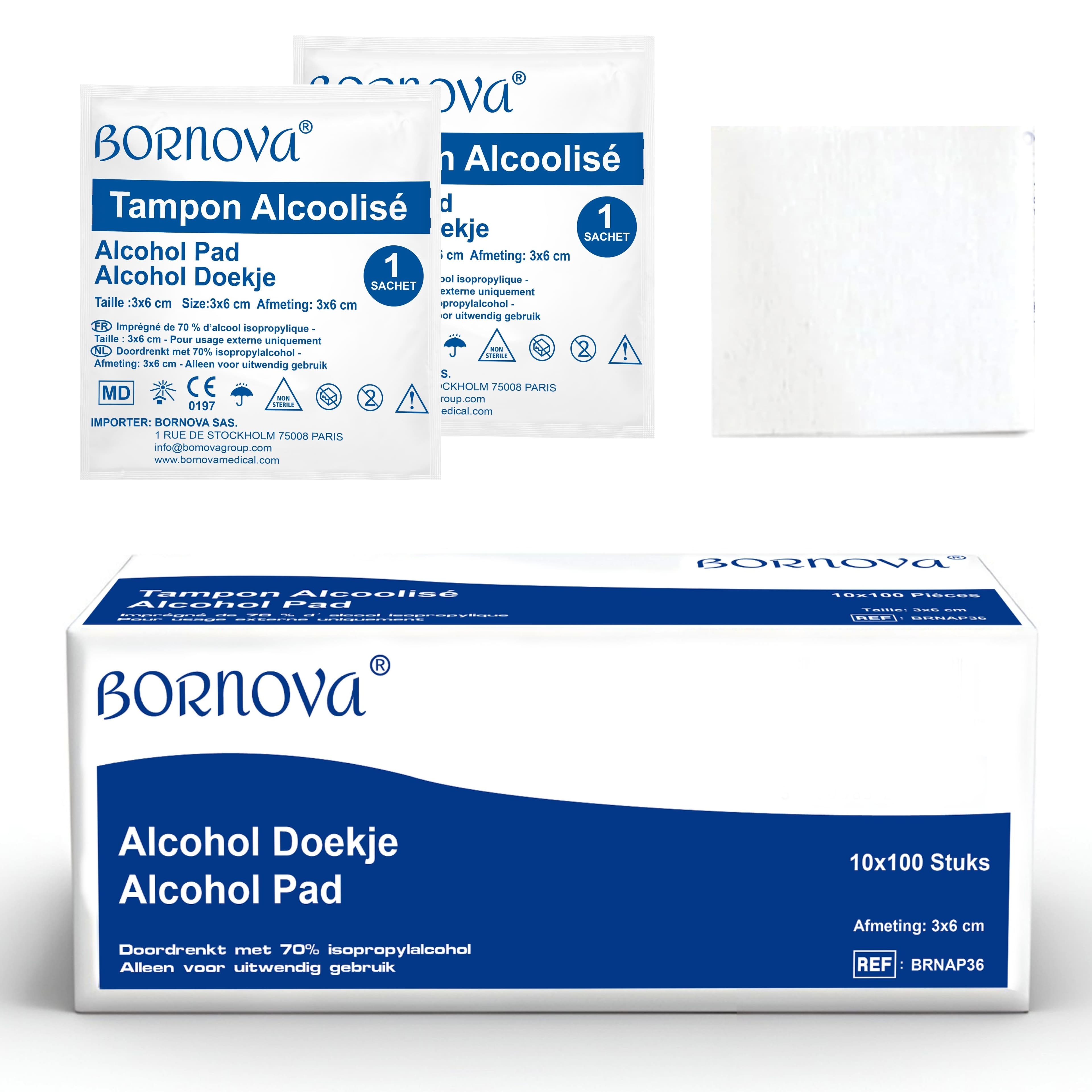
BORNOVA — Alkoholtupfer 70% Isopropanol 3 × 6 cm, steril
Continue reading
 Oxymètre de Pouls
Pulsoximeter auswählen: Professioneller Einkaufsführer für Kliniken & Apotheken
Umfassender Leitfaden zur Auswahl des richtigen professionellen Pulsoximeters. Vergleichen Sie Typen (Finger, extern), verstehen Sie Schlüsselkriterien (SpO2, PI, Plethysmographie) und Normen (CE MDR, ISO 13485) für einen zuverlässigen Kauf in Klinik oder Apotheke.
 Seringue
Spritzen: Vergleichender Leitfaden und Auswahlkriterien für medizinisches Fachpersonal
Der vollständige Leitfaden zur Auswahl der richtigen medizinischen Spritze für Ihre Bedürfnisse. Technischer Vergleich (Luer Lock, Luer Slip, 2/3-teilig), Normen und Tipps zur Kostenoptimierung und Sicherung Ihrer Lieferkette.