Choosing the right medical disinfectant isn't just a purchase; it's a key act for patient safety. This guide for healthcare professionals helps you decipher the spectrum of action, contact times, and standards (EN 14885, MDR) to make an informed and effective choice.
Dieser Artikel ist derzeit nur auf Englisch verfügbar. Eine lokalisierte Version folgt.
Choosing the Right Medical Disinfectant: Standards, Criteria, and Protocols for Professionals
Choosing the right disinfectant in a medical environment is a crucial decision for patient safety, staff protection, and the compliance of your facility. More than just a consumable purchase, this choice must be based on a rigorous analysis of the spectrum of action, contact time, material compatibility, and adherence to standards, particularly the framework standard EN 14885. This guide is designed to help professional buyers (clinics, pharmacies, nursing homes) structure their decision for surface disinfection, skin antisepsis, or equipment treatment.
Understanding the Fundamentals: Disinfectants, Antiseptics, and Spectrum of Action
Precise terminology is the basis of any effective hygiene protocol. Mastering these key concepts helps avoid application errors with potentially serious consequences.
Key Distinction: Disinfectant vs. Antiseptic
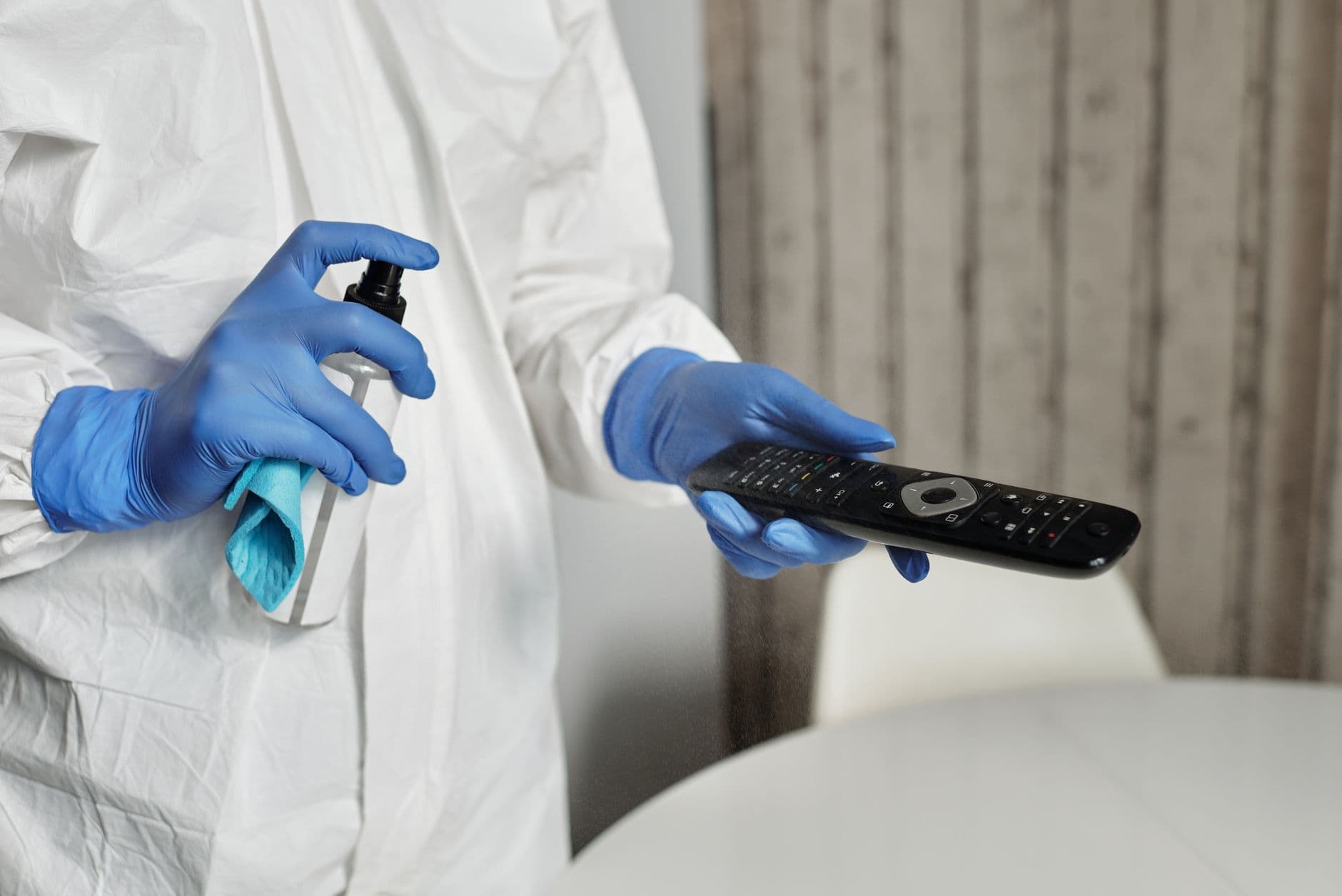
The fundamental difference lies in their target: a disinfectant is a biocide product for inert surfaces and objects (floors, workbenches, medical devices), while an antiseptic is applied to living tissues (healthy skin, mucous membranes) to prevent infection. Although they may share chemical agents (such as alcohol), their formulation, concentration, and regulatory status are different.
- Disinfectant: Aims to eliminate or inactivate microorganisms on inert surfaces to break the chain of infection transmission.
- Antiseptic: Applied to healthy skin to destroy microorganisms or inhibit their growth before an invasive procedure, such as alcohol swabs before an injection.
The Spectrum of Action: Defining the Required Level of Efficacy
The spectrum of action defines the extent of a product's efficacy. It is crucial to match it to the infectious risk of the environment concerned.
- Bactericidal: Active against bacteria.
- Fungicidal: Active against fungi and yeasts (e.g., Candida albicans).
- Virucidal: Active against viruses. It is necessary to distinguish between enveloped viruses (HIV, coronaviruses), which are more fragile, and non-enveloped viruses (norovirus, rotavirus), which are much more resistant.
- Sporicidal: Active against bacterial spores (e.g., Clostridioides difficile), the most resistant microbial forms, often responsible for severe nosocomial infections.
Mechanisms of Action of Major Chemical Families
Each chemical family has a specific mode of action. Alcohols (ethanol, isopropanol) denature microbial proteins; they act very quickly but their efficacy decreases in the presence of organic matter. Quaternary ammonium compounds (quats) disrupt cell membranes, offering a persistent action but sometimes a narrower spectrum. Chlorine compounds or peroxides are powerful oxidizers, effective even against spores, but can be corrosive and unstable.
The 3 Pillars of Disinfectant Selection in a Professional Environment
The choice of a disinfectant must be based on an objective evaluation. A structured approach around three pillars – Efficacy, Safety, and Practicality – allows for an informed and sustainable decision.
Pillar 1: Efficacy
- Spectrum of action: The product must be effective against pathogens relevant to your environment. A gastroenterology department does not have the same needs as a general consultation practice. Check the standards claimed on the technical data sheet.
- Contact time: This is the minimum duration during which the surface must remain wet for the product to act. A time of 15 minutes is unrealistic for a doorknob. Prioritize fast-acting products (less than 5 minutes) for high-traffic areas.
- Presence of organic matter: The efficacy of many products (bleach, alcohols) decreases in the presence of blood or saliva. Prior cleaning is therefore a non-negotiable prerequisite. Some products are
Empfohlene Produkte
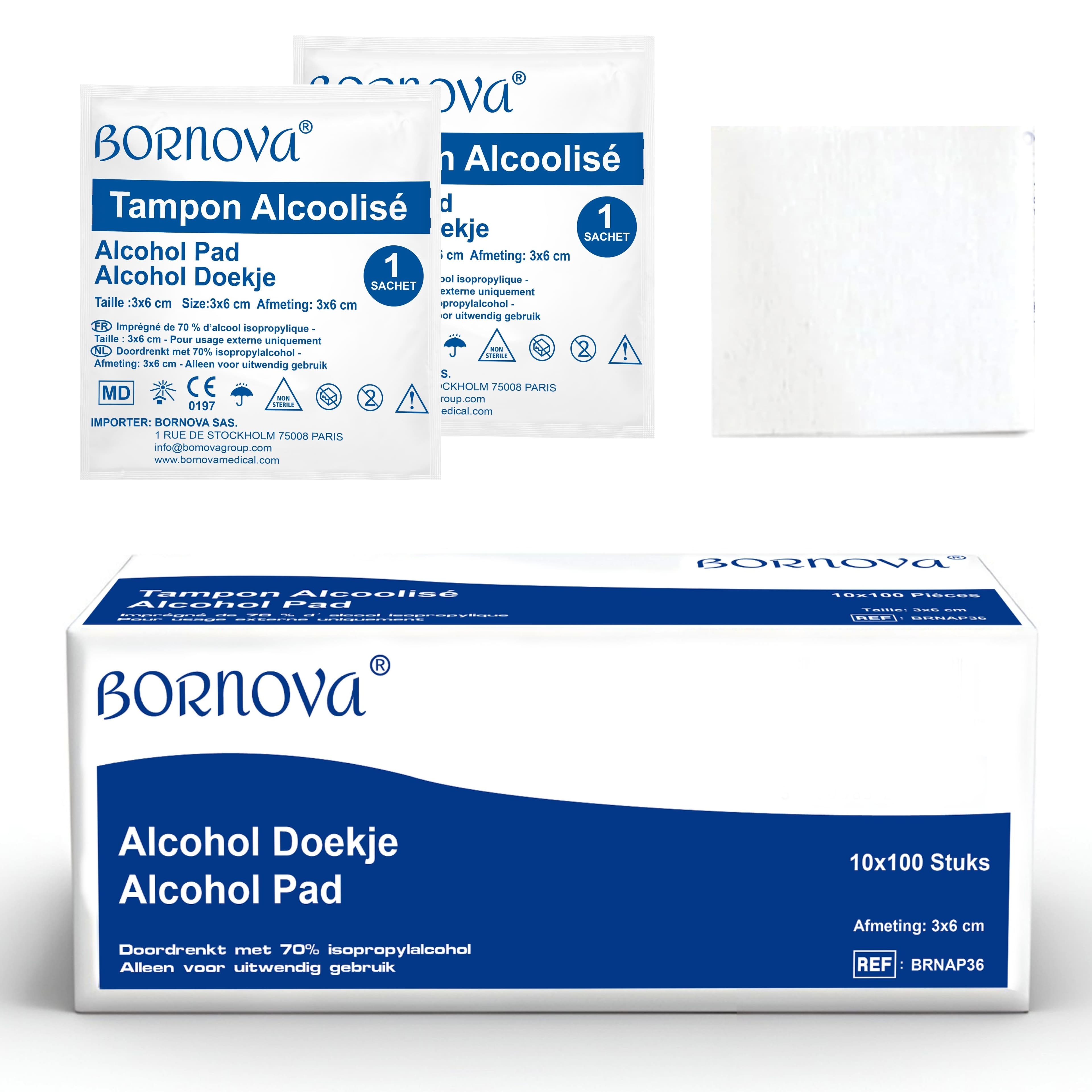
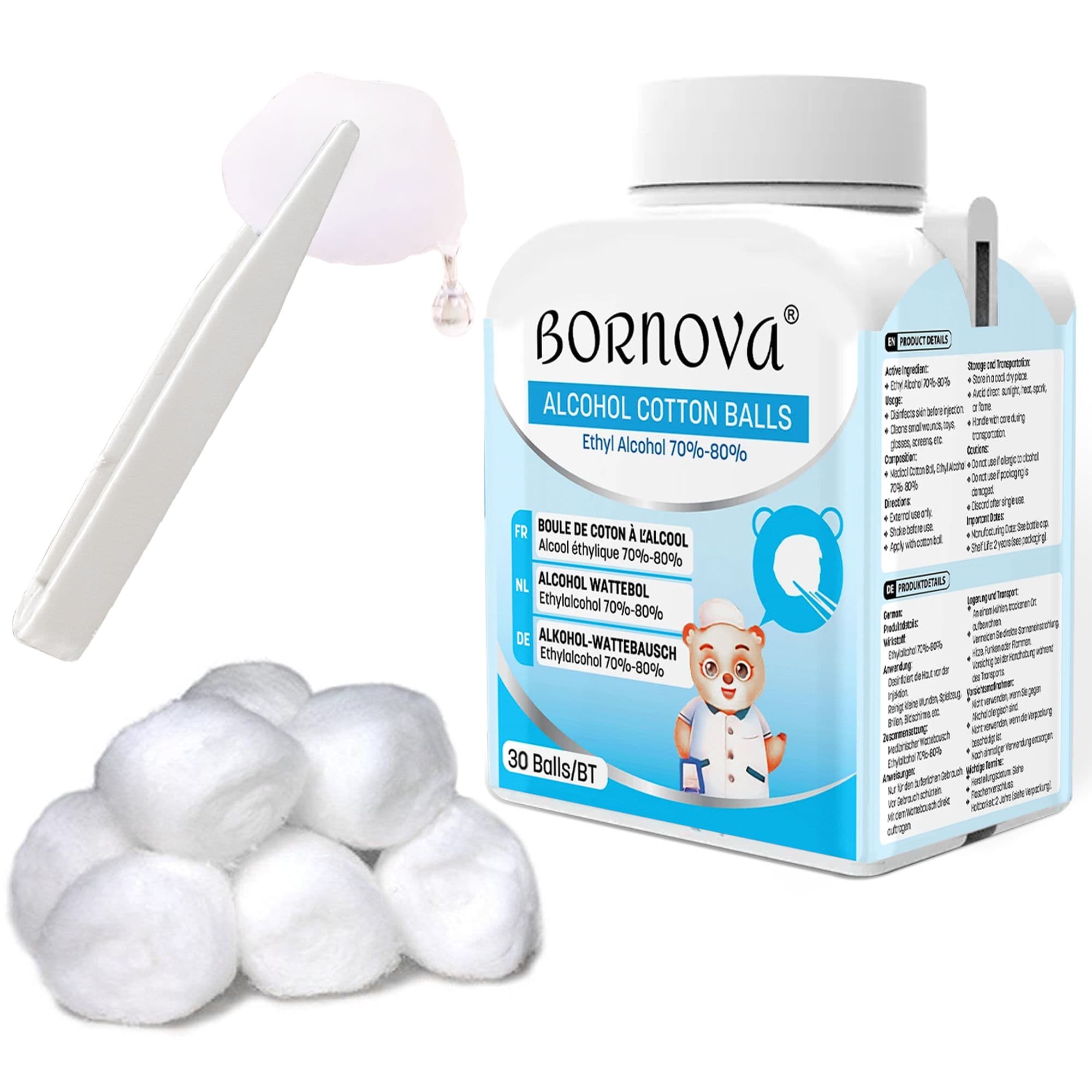
Bornova Alkoholtupfer zur Hautdesinfektion, 3 x 6 cm