
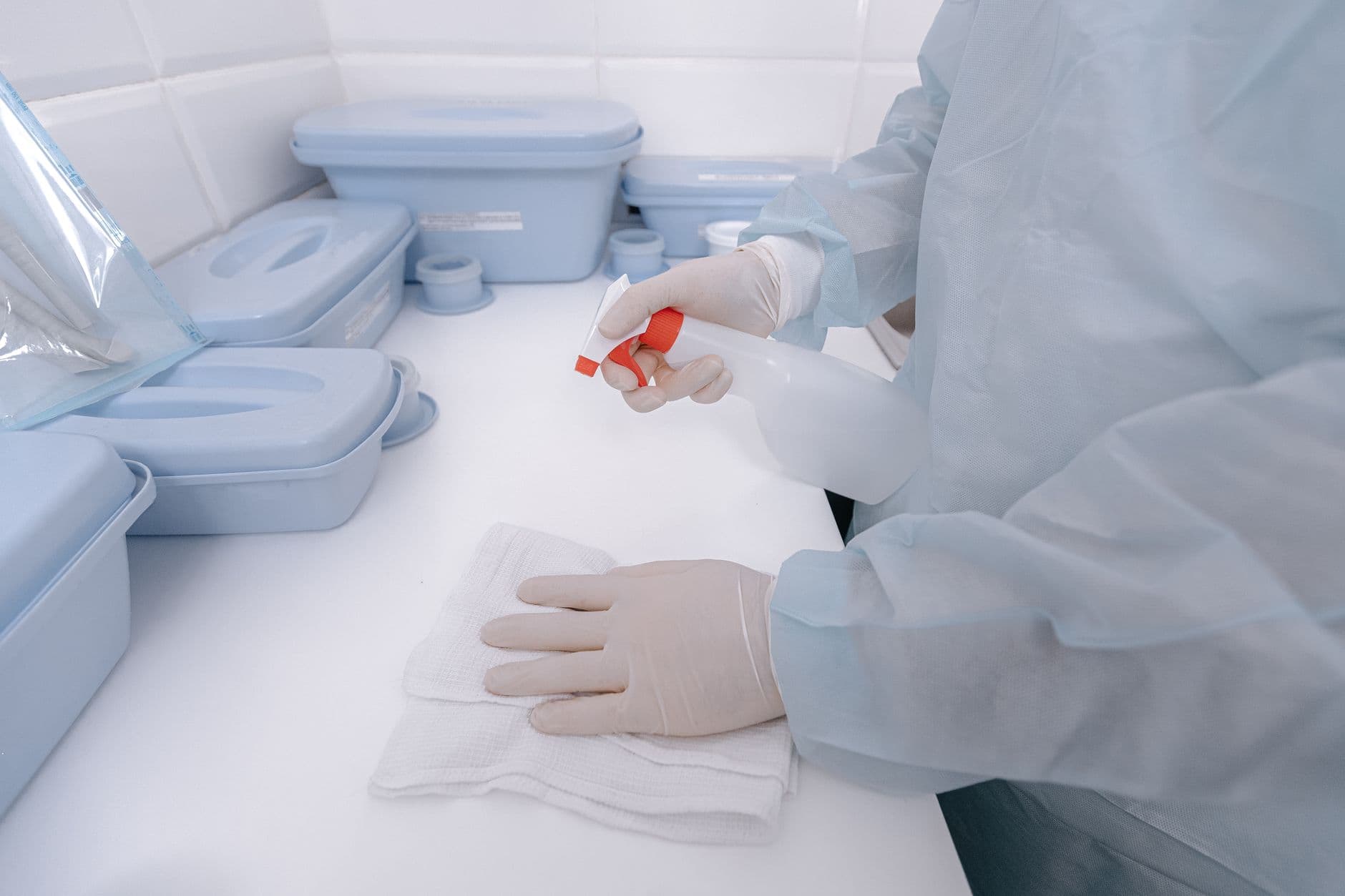
How to choose the right disinfectant for your clinic or pharmacy? This practical guide helps you decipher standards, evaluate products based on 5 essential criteria, and avoid errors that compromise patient and staff safety.
How to Choose a Professional Disinfectant: The Guide for Clinics and Pharmacies
Choosing the right disinfectant is a crucial decision for the safety of your patients and staff. The selection should not be random but based on a rigorous analysis of your needs, infectious risk, and standards, including the NF EN 14885 framework standard [S5]. This guide provides you with a clear method and objective criteria for selecting the most suitable disinfection products for your professional environment.
Understanding the Different Types of Disinfectants and Their Specific Uses
To make an informed choice, you must first understand that disinfectants are classified according to their chemical composition and spectrum of activity (the microorganisms they inactivate). Each product family has properties that destine it for specific uses. The first step is to clearly distinguish an antiseptic, which is applied to the skin, from a disinfectant, reserved for surfaces and inert materials.
The Main Families of Chemical Disinfectants
The choice of active ingredient depends on the desired efficacy, compatibility with materials, and safety of use. Always read the technical data sheet and the Safety Data Sheet (SDS) carefully.
- Alcohols (ethanol, isopropanol): Rapid action and broad spectrum (bactericidal, fungicidal, virucidal on enveloped viruses). They dry quickly without residue, making them ideal for small surfaces, non-immersible medical devices, and hand antisepsis. Their flammability requires storage precautions.
- Quaternary Ammonium Compounds (benzalkonium chloride): Good detergent and disinfectant properties (bactericidal, yeasticidal). These are good 2-in-1 products for low-risk environments. However, their virucidal spectrum is limited, especially against non-enveloped viruses.
- Chlorine Derivatives (sodium hypochlorite / bleach): Very broad spectrum (sporicidal at high concentrations) and inexpensive. Their disadvantages: they are corrosive to metals, unstable (requiring fresh dilutions), and inactivated by organic matter (blood, pus), making prior cleaning mandatory.
- Peracetic Acid: High-level disinfectant, effective at low temperatures and with a broad spectrum (including sporicidal). Less sensitive to organic matter than chlorine, it can, however, be corrosive to certain metals like copper or brass.
- Aldehydes (glutaraldehyde, formaldehyde): Historically used for high-level disinfection, their recognized toxicity (irritants, sensitizers, potentially carcinogenic) severely limits their use in favor of safer alternatives such as peracetic acid.
The Decision Process: 5 Essential Criteria for Choosing a Disinfectant
To choose the right disinfectant, systematically evaluate 5 criteria: usage and risk level, required activity spectrum, compliance with standards, contact time, and safety of use. This structured approach ensures reliable, safe, and compliant disinfection with your hygiene protocols [S3].
- Define Usage and Risk Level (Spaulding Classification): First, identify the application (hands, floors, surfaces, medical device), then assess the associated infectious risk using the Spaulding classification:
- Non-critical: Contact with intact skin (e.g., stethoscope, furniture). Requires low- or intermediate-level disinfection.
- Semi-critical: Contact with mucous membranes or broken skin (e.g., endoscope, dentistry equipment). Requires high-level disinfection.
- Critical: Penetration into sterile tissues or the vascular system (e.g., surgical instruments). Requires sterilization.
- Validate the Required Activity Spectrum: Ensure the product is effective against relevant pathogens. A hand disinfectant must be at least bactericidal and virucidal against enveloped viruses. In the event of a gastroenteritis epidemic, activity against non-enveloped viruses (e.g., Norovirus) is essential.
- Check Compliance with Standards: The product must prove its efficacy via specific European (EN) standards, overseen by the NF EN 14885 framework standard [S5].
- Analyze Contact Time: This is the minimum duration during which the surface must remain wet for the product to be effective. A too long time (e.g., 15 min) is unrealistic for high-turnover areas. A very short time must be scrupulously respected.
- Evaluate Compatibility and Safety: The product must not damage surfaces (corrosion, discoloration). User safety is paramount: consult the SDS for risks (vapors, irritation) and necessary Personal Protective Equipment (PPE). For antiseptics, skin tolerance is a major criterion [S2].
Deciphering Standards and Regulations: The Key to Compliance
Regulatory compliance is non-negotiable and based on the European standard NF EN 14885. This framework standard does not test products but specifies the efficacy standards (called
Sources
- Guide pour le choix des désinfectantssf2h.net
- Hygiène des mains et soins : du choix du produit à son utilisation et à sa promotionsf2h.net
- Bonnes pratiques essentielles en hygiène à l'usage des professionnels de santépmc.ncbi.nlm.nih.gov
- Guide de bonnes pratiques de traitement des dispositifs médicaux réutilisablessf2h.net
- Code de la santé publiquelegifrance.gouv.fr
- Guide DASRI 2025 - SF2Hsf2h.net
Recommended products
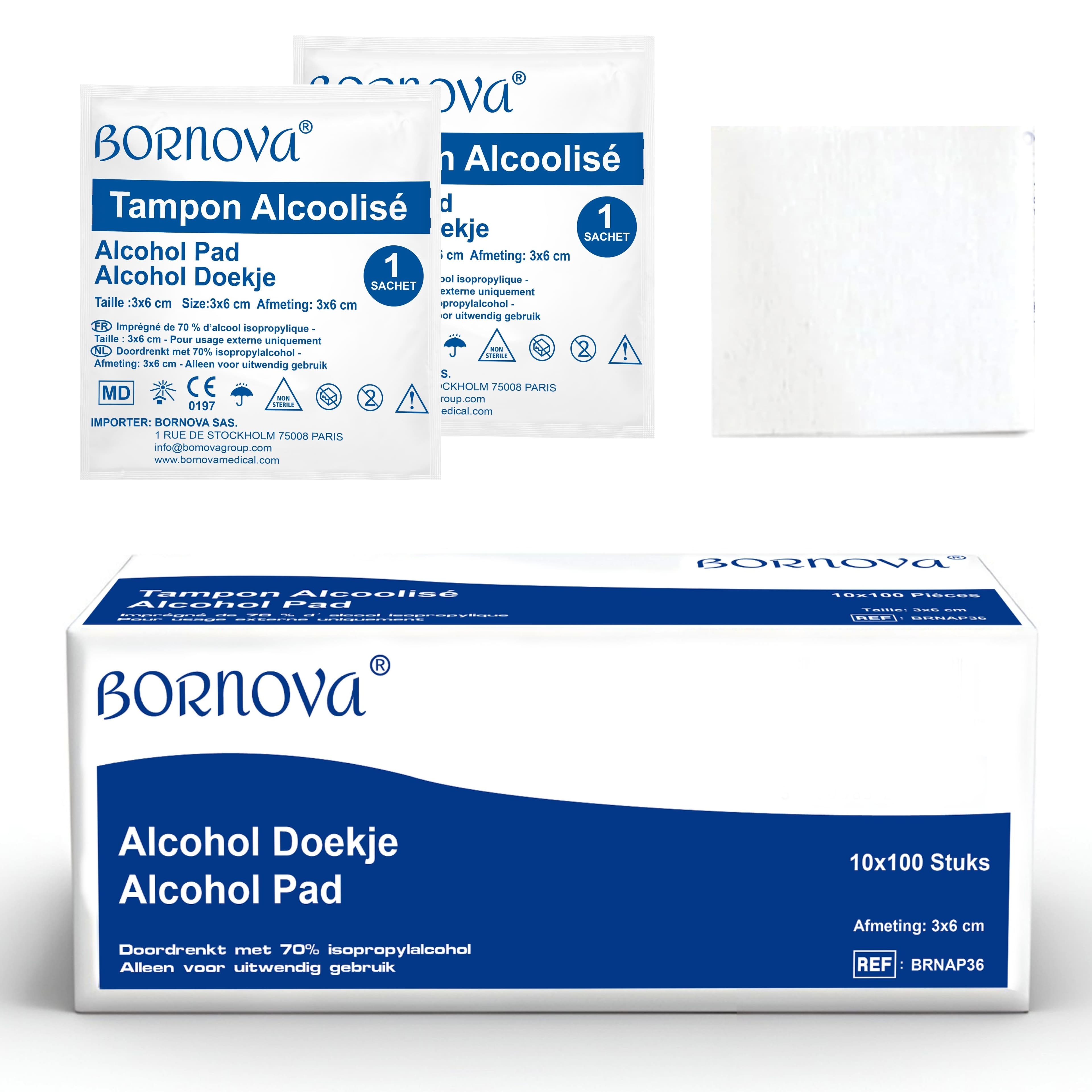
BORNOVA — Alcohol Swabs 70% Isopropyl 3 × 6 cm
Continue reading
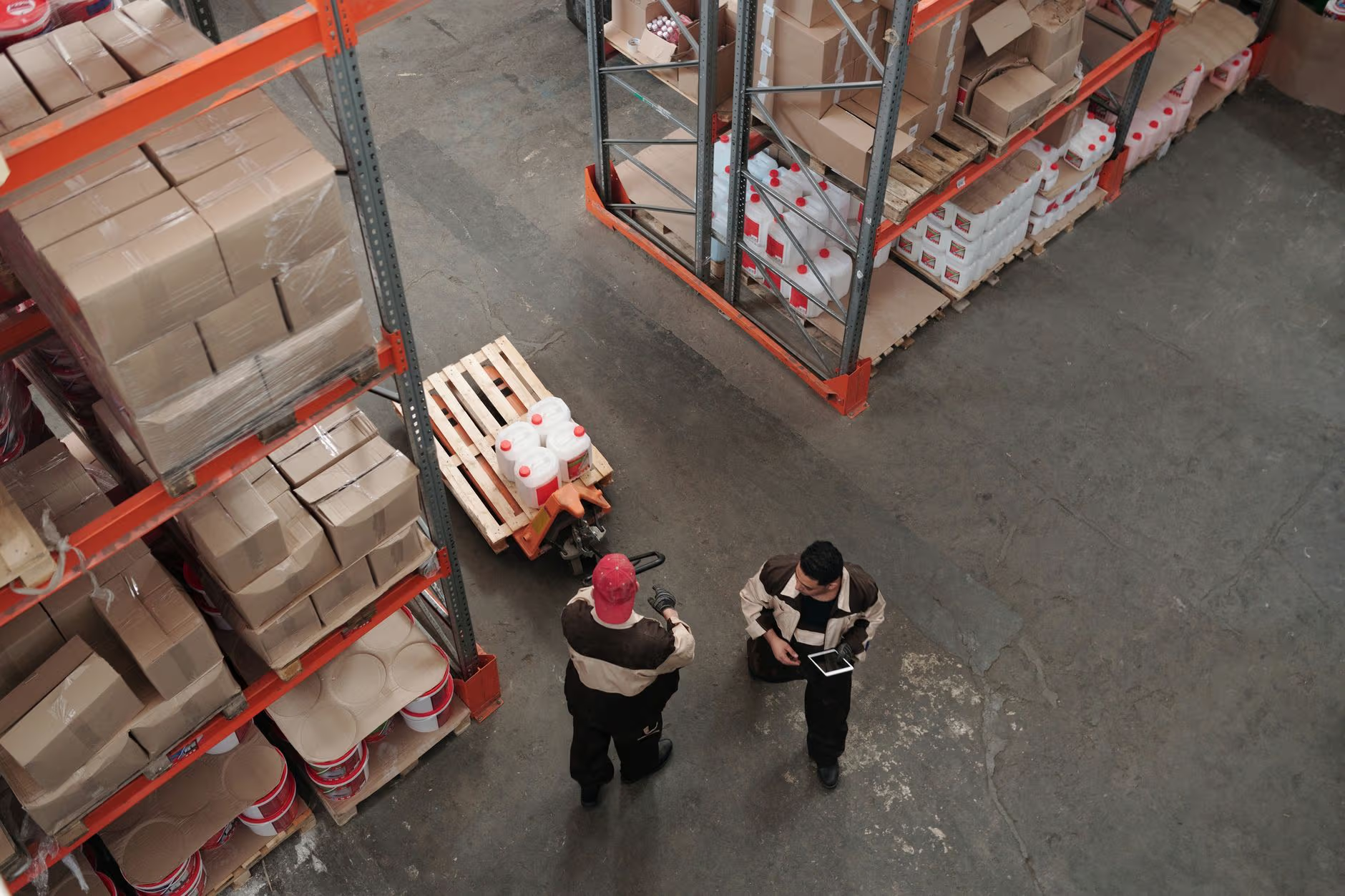 Incontinence
Incontinence: A Purchasing Guide for Clinics and Pharmacies
A practical guide for clinic and pharmacy buyers. Discover how to choose the right incontinence devices by balancing clinical needs, regulatory compliance, and logistical efficiency to improve care quality.
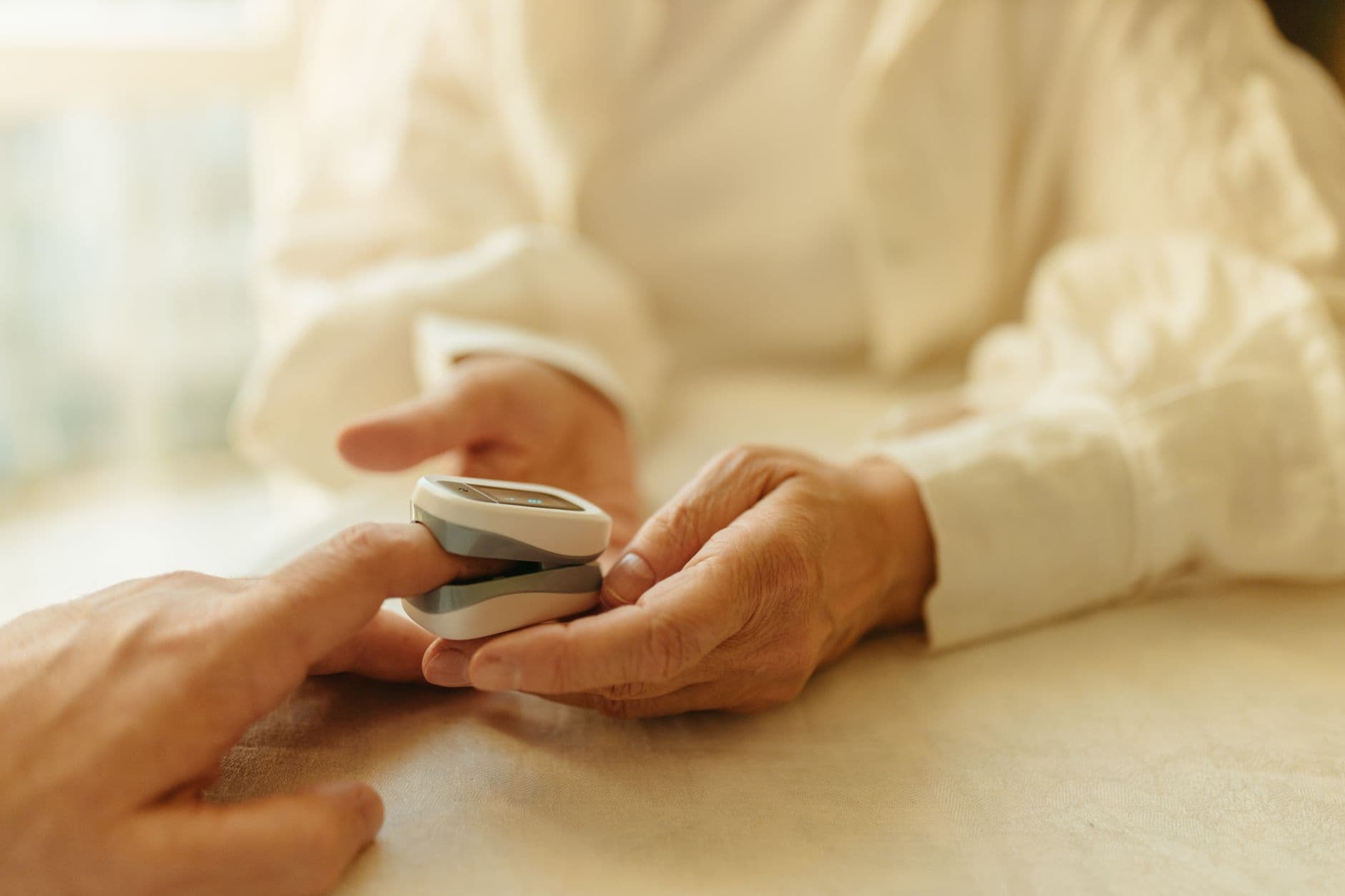 Oxymètre de Pouls
Choosing Your Oximeter: A Professional Buyer's Guide for Clinics & Pharmacies
A comprehensive guide to choosing the right professional pulse oximeter. Compare types (fingertip, remote sensor), understand key criteria (SpO2, PI, plethysmography), and standards (CE MDR, ISO 13485) for a reliable purchase in clinics or pharmacies.