
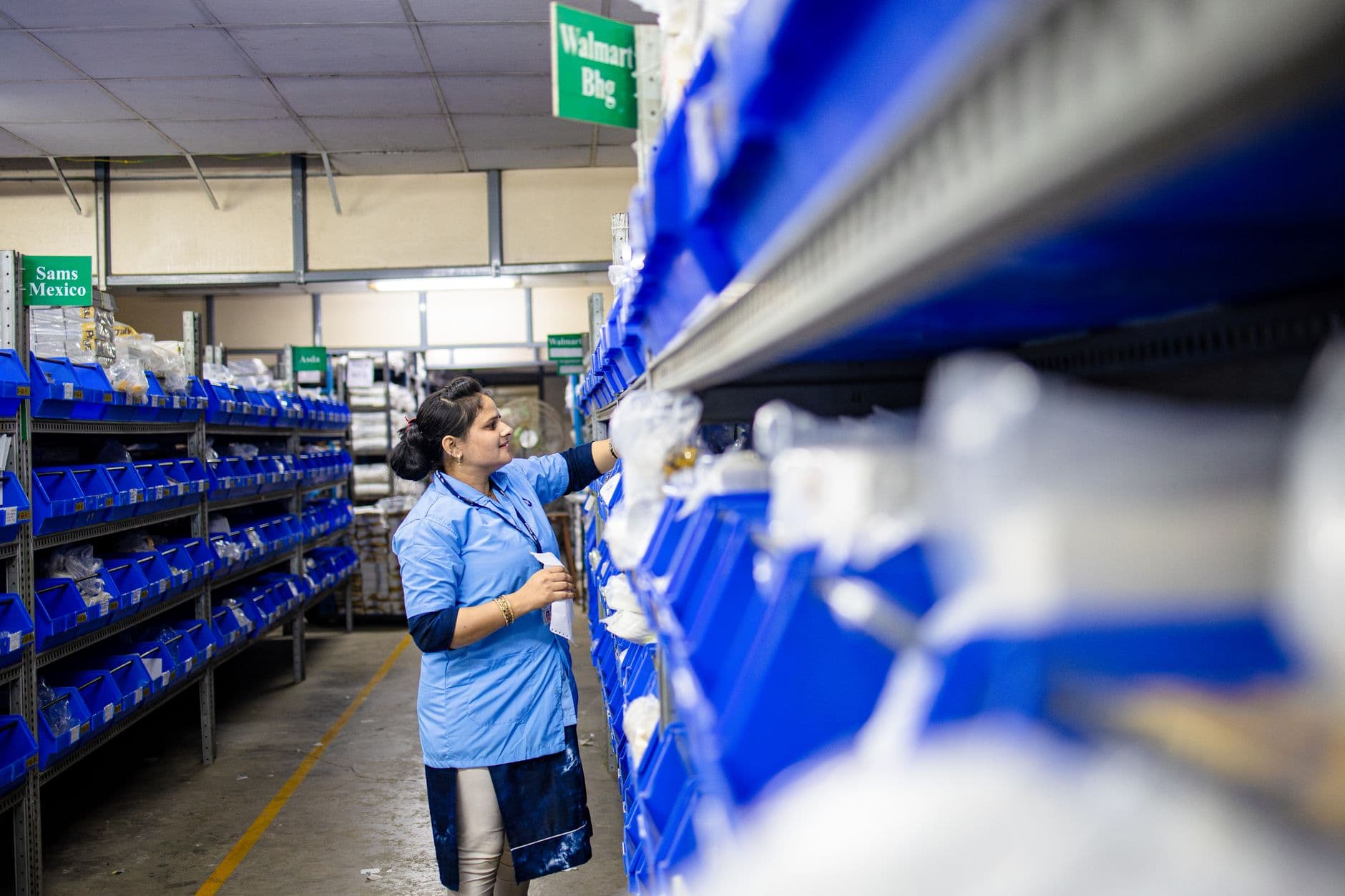
Optimize your B2B procurement of medical devices for home healthcare. This practical guide for professional buyers (clinics, pharmacies) covers regulatory compliance (MDR, ISO 13485), logistics strategies, and supplier selection. Make informed decisions with our tools and real-world case studies.
For B2B buyers, optimizing wholesale procurement for home healthcare is a critical performance lever. The key to success rests on three pillars: rigorous regulatory compliance, efficient logistics, and the selection of reliable suppliers. The challenge is to meet growing demand while ensuring impeccable safety and quality for patients.
The Rise of Home Healthcare: A Paradigm Shift for the Supply Chain
The rise of home healthcare necessitates a major transformation of the medical supply chain. Driven by an aging population and patients' desire to remain at home, this trend is causing an explosion in demand for adapted equipment [S6]. For B2B distributors, this means reviewing product catalogs, adopting more agile inventory management to cope with volatility, and deploying specialized delivery services to serve a fragmented network of pharmacies, clinics, and care providers.
Challenges of Wholesale Procurement of Medical Devices for Home Healthcare
Wholesale procurement for home healthcare faces major challenges: product diversity, demand fluctuation, and logistical constraints. Managing a wide range of references, forecasting changing needs, and maintaining consistent quality on a large scale are daily obstacles. Added to this are geographical constraints that can lead to additional costs and delays [S1]. B2B buyers must therefore build robust supply chains to ensure product availability without sacrificing compliance or profitability. The complexity of B2B medical procurement is here multiplied by the large number of delivery points.
Common Mistakes to Avoid
- Underestimating compliance: Believing that comfort or daily living devices are exempt from regulation is a costly mistake.
- Neglecting total cost: Focusing on the unit purchase price and forgetting hidden costs (storage, last-mile delivery, returns management) impacts profitability.
- Lack of supplier diversification: Relying on a single source for critical products exposes you to a major risk of stockouts.
Regulatory Compliance: The Pillar of Safety and Legality
Regulatory compliance is the pillar of your business: it guarantees patient safety and protects your legal liability. Any failure on this point is a major risk for the distributor and, above all, for the end-user.
CE Marking and MDR 2017/745 Regulation
All medical devices must bear the CE marking, proof of their conformity with European safety requirements. As a distributor, you have a legal obligation to verify that your suppliers comply with the MDR 2017/745 regulation. This includes checking the EU declaration of conformity, the presence of the UDI (Unique Device Identifier), and the validity of certificates.
ISO 13485 Standard: A Guarantee of Systemic Quality
The manufacturer's ISO 13485 certification is an essential guarantee of quality. It proves that the supplier follows a rigorous and regularly audited quality management system [S8]. For you, the buyer, this is the assurance of complete traceability, controlled risk management, and reliable production, which significantly reduces the risk of non-conformities.
Vigilance on Comfort and Wellness Devices
Even the simplest devices, such as comfort aids, are subject to strict requirements. A heating pad, for example, is a thermotherapy device that must undergo rigorous controls to prevent any risk of burns or electrical defects. As a buyer, you must systematically demand technical documentation that proves the safety of these products.
B2B Logistics Strategies for Efficient Distribution
Efficient B2B logistics for home healthcare relies on precise inventory management and perfect control of the last mile [S7]. The goal is to ensure that the right products arrive at the right place, at the right time, and in perfect condition.
Inventory Management and Last-Mile Control
Specifically, this involves optimized inventory management to prevent stockouts, warehouses compliant with health standards (temperature, humidity), and a transport network ensuring fast and traceable deliveries. Relying on wholesale procurement specialists [S5] and using real-time tracking solutions (TMS) are key levers to maintain the integrity of devices until they reach the patient.
Traceability and Returns Management
Traceability must be total, from the manufacturing batch to the patient, which is essential for materiovigilance. It is also crucial to define a clear policy with your supplier for returns management (defective products, batch recalls), to ensure compliance and customer satisfaction.
Criteria for Selecting a B2B Supplier: A Strategic Decision
Choosing the right B2B supplier is a strategic decision that goes far beyond mere price. This choice has a direct impact on the quality of your service, your reputation, and patient safety. A rigorous and structured evaluation is therefore essential.
Using a Weighted Grid to Objectify the Choice
To objectify your decision, use a weighted selection grid. This tool allows you to compare suppliers on key criteria, assigning each a weight that reflects its importance to your business. You will thus be able to justify your final choice based on factual data and not on a simple impression.
Asset: Weighted Grid for B2B Supplier Selection
| Selection Criterion | Weight | Score (1-5) | Weighted Score |
|---|---|---|---|
| Regulatory Compliance (CE, ISO 13485 Certifications, up-to-date MDR documentation) | 35% | ||
| Supply Chain Reliability (OTIF service rate, delivery times, stockout management) | 25% | ||
| Product Quality & Technical Support (Technical specifications, non-conformity management, after-sales support) | 20% | ||
| Logistical Capabilities (Delivery flexibility, traceability, storage conditions) | 10% | ||
| Digital Platform & Customer Service (Ease of ordering, ERP integration, customer service responsiveness) | 10% | ||
| Total Score | |||
Comparative Analysis of Common Devices
The evaluation must also apply at the product level itself. Here is a comparison of two common devices to illustrate this approach.
| Criterion | Bornova Heating Pad | Instanet Cleaning Wipes |
|---|---|---|
| Regulatory Status | Medical Device (Class I) | Consumer product / maintenance |
| CE Certification | Mandatory and verifiable | Not applicable (as MD) |
| Main Use | Thermotherapy, pain relief | Surface cleaning (glasses) |
| Buyer's Vigilance Point | Verify the declaration of conformity, instructions for use, and safety warnings. | Verify composition, any detergency standards. |
| Packaging | Sold individually | Box of 48 wipes |
This table illustrates the need to adapt the conformity analysis to the nature of each product.
Digitalization and Resilience: The Future of B2B Distribution
The future of B2B distribution for home healthcare rests on two pillars: digitalization and resilience. Digital platforms that centralize orders, offer real-time visibility into inventory, and optimize deliveries have become indispensable. Digitalization is a powerful lever for efficiency [S6]. In parallel, it is vital to build resilient supply chains, capable of absorbing shocks (health crises, shortages). This involves diversifying suppliers, implementing strategic stocks, and using predictive technologies. In this context, perfect mastery of medical device regulation remains crucial for navigating this complex ecosystem.
Case Studies: Best Practices in Procurement and Logistics
To concretely illustrate these principles, let's examine two scenarios.
Case 1: Centralizing Purchases for a Pharmacy Network
A group of pharmacies centralizes its purchases of mobility aids (canes, walkers) from a single distributor. This partner guarantees CE and ISO 13485 compliance for all products [S8] and offers an online ordering platform integrated with pharmacy software. The service includes direct delivery within 48 hours, which optimizes inventory, reduces immobilization costs, and ensures better availability for patients.
Case 2: Tailor-made Logistics for a Home Healthcare Provider
A home healthcare provider collaborates with a B2B logistics expert supplier [S7] to manage personalized care kits (dressings, catheters, etc.). Thanks to barcode traceability, each kit is assembled, controlled, and delivered directly to the patient with maximum reliability. Outsourcing this process guarantees continuity of care, frees up nursing staff time, and ensures the conformity of each component.
Frequently Asked Questions
What quality and safety standards must be met for home healthcare medical devices in Europe?
In Europe, home healthcare medical devices must bear the CE marking, which attests to their conformity with Regulation (EU) 2017/745 (MDR). As a distributor, you must verify this. The manufacturer's ISO 13485 certification is a recognized path to conformity, as it demonstrates the implementation of a rigorous quality management system for design and production [S8].
How to optimize the supply chain for wholesale home healthcare equipment?
Optimization relies on several actions: centralizing purchases to obtain better volumes, digitalizing orders and tracking for greater efficiency, choosing logistics partners specialized in healthcare [S5], and implementing predictive inventory management to anticipate demand and reduce stockouts.
What are the key criteria for choosing a B2B supplier of medical equipment for home healthcare?
The essential criteria are: proof of regulatory compliance (CE marking, MDR documentation) and quality certification (such as ISO 13485), the reliability of its supply chain (service rate, unforeseen event management) [S7], the quality of products and technical documentation, its logistical capabilities (deadlines, traceability), and the performance of its customer service and digital tools.
What are the specific logistical challenges in the B2B home healthcare market?
The main challenges are managing the "last mile" to the patient's home, which is often costly; managing sometimes decentralized inventories (agencies, vehicles); the need for perfect batch traceability to the patient for materiovigilance; and organizing efficient reverse logistics for returns management.
Sources
- Distributeurs de matériel médical : digitalisation et croissancescale2sell.company
- Journal officiel C 33E/2013 - EUR-Lexeur-lex.europa.eu
- Fauteuils roulants électriques ou manuels : B2B Guide d'achatintcowheelchair.com
- Meilleurs grossistes de brosses vaginales pour le marché européenhanheng-medical.com
- Service logistique London | Entreprises et fournisseurs B2Beuropages.fr
Recommended products
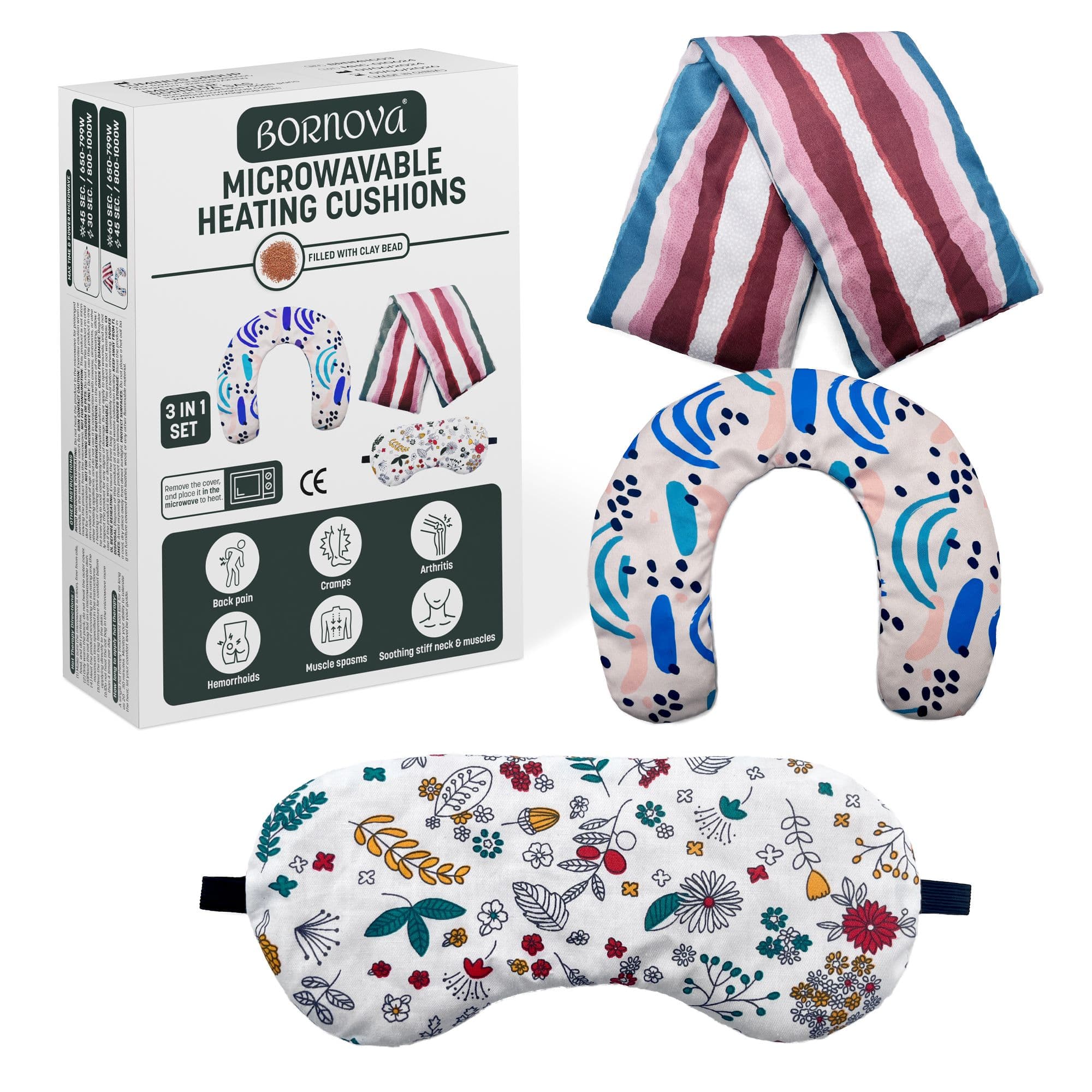
BORNOVA — Microwave clay bead heat pads (set of 3)
Continue reading
 Incontinence
Incontinence: A Purchasing Guide for Clinics and Pharmacies
A practical guide for clinic and pharmacy buyers. Discover how to choose the right incontinence devices by balancing clinical needs, regulatory compliance, and logistical efficiency to improve care quality.
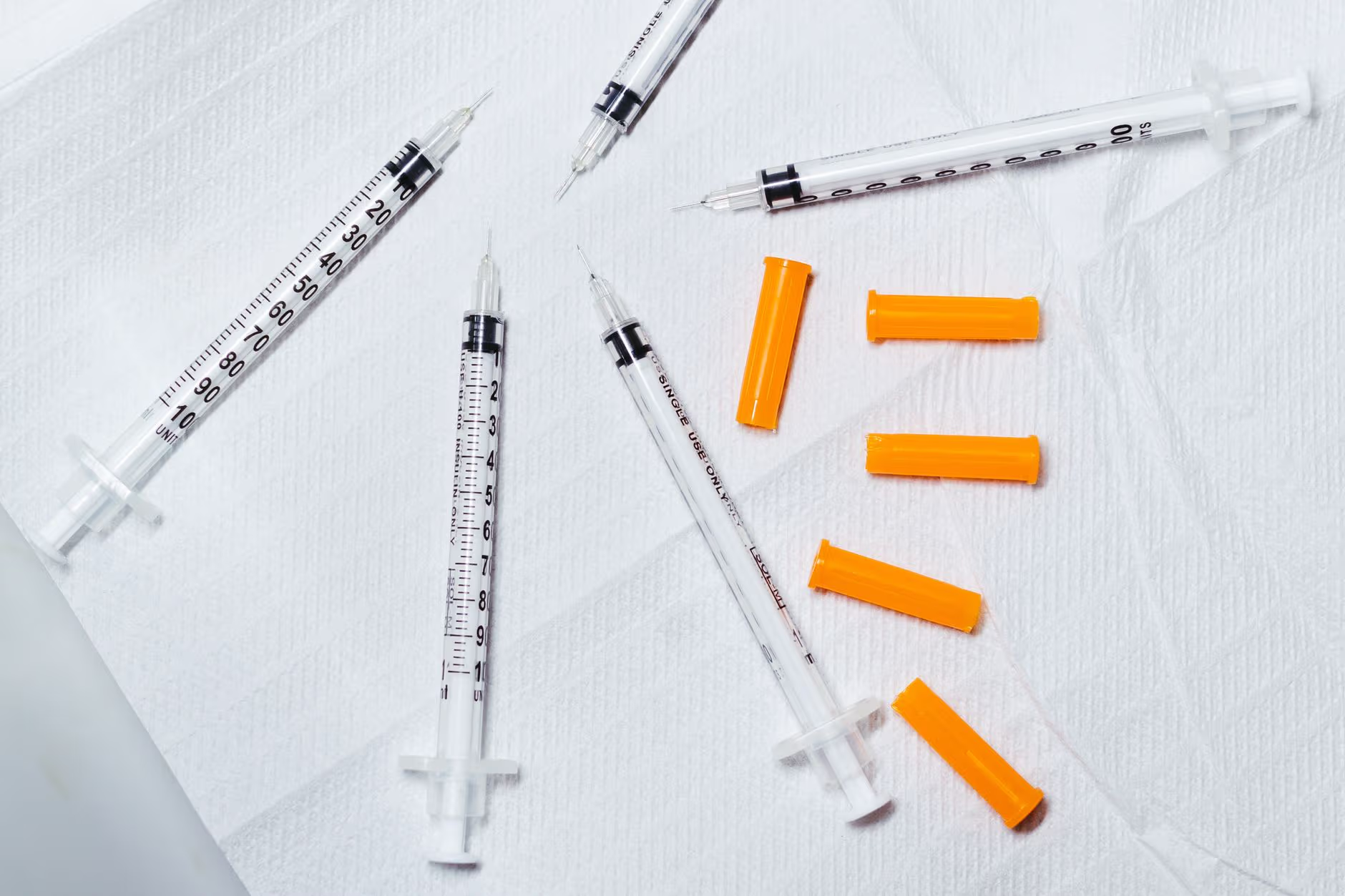 Seringue
Syringes: Comparative Guide and Selection Criteria for Healthcare Professionals
The complete guide to choosing the right medical syringe for your needs. Technical comparison (Luer Lock, Luer Slip, 2/3 parts), standards, and advice to optimize your costs and secure your supplies.