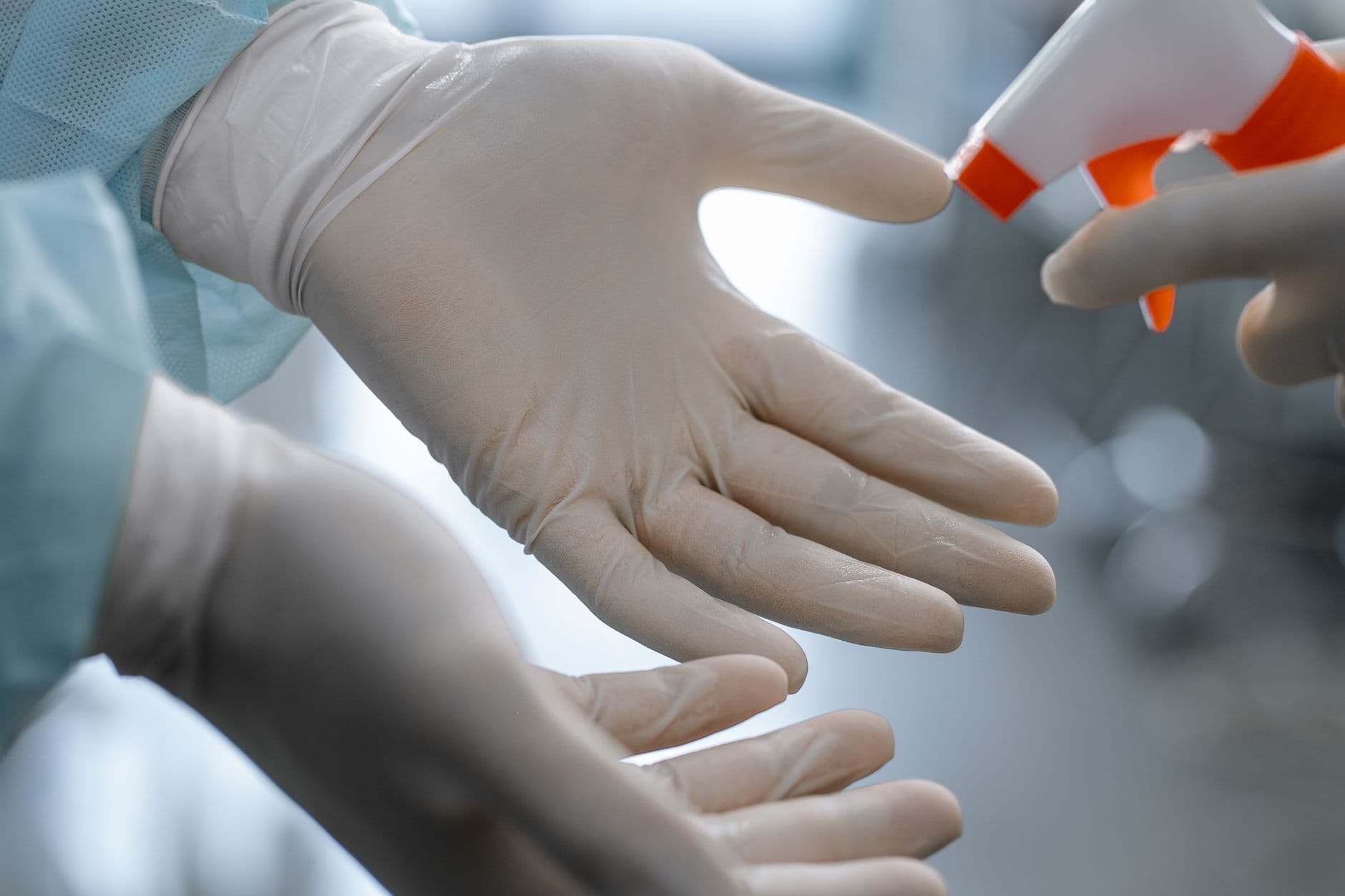
Optimize hospital disinfection and reduce healthcare-associated infections with risk-level zoning (NF S 90-351 standard). Our comprehensive guide details the 4 zones, protocols, equipment, and controls to ensure patient and staff safety.
Hospital Risk-Level Zoning: The Complete Guide (NF S90-351 Standard)
Risk-level zoning is a key strategy for controlling infections in hospitals. It involves classifying each area of a healthcare facility according to its potential for infectious transmission. This targeted approach allows disinfection protocols to be adapted to the actual threat, thereby optimizing resources to effectively reduce the risk of healthcare-associated infections[S8] and ensure the safety of both patients and staff.
Understanding risk-level zoning in hospitals
Zoning replaces uniform disinfection, which is often costly and ineffective, with an intelligent approach proportionate to the risk. Specifically, it involves mapping the facility based on two criteria: the criticality of medical procedures and the fragility of patients. The objective is simple: to concentrate the strictest bio-decontamination protocols where the danger is greatest (e.g., operating theaters), while ensuring rigorous and adapted hygiene everywhere else. This segmentation is the foundation of effective bio-cleaning.
The different risk levels and their characteristics (according to NF S90-351 standard)
The NF S90-351 standard defines four risk levels to standardize surface bio-cleaning protocols[S6]. This classification is crucial for consistent risk management, as contaminated surfaces are a major source of hand-borne transmission[S7]. Each zone is thus assigned precise requirements regarding frequency, technique, and control.
Here is a detailed summary table to guide the implementation of your protocols:
| Risk Level (NF S90-351) | Risk Description | Examples of Zones | Protocol Recommendations |
|---|---|---|---|
| Zone 1 | Almost non-existent infectious risk | Administrative offices, reception halls, technical rooms, archives, meeting rooms | Daily cleaning (damp dusting). Targeted disinfection of contact points (handles, switches). |
| Zone 2 | Low or limited infectious risk | Patient rooms (excluding isolation), consultation rooms, general medicine departments, waiting rooms, patient circulation corridors | Daily bio-cleaning of floors and surfaces. Reinforced, multi-daily disinfection of contact points. |
| Zone 3 | Intermediate infectious risk | Treatment rooms, laboratories (excluding P3/P4), emergency departments, recovery rooms, central pharmacy, milk preparation room | Multi-daily bio-cleaning (floors, surfaces, equipment). Rigorous terminal disinfection after each patient discharge or at the end of a program. |
| Zone 4 | High or critical infectious risk | Operating theaters, intensive care units, neonatology, hemodialysis rooms, departments for severe burns or immunocompromised patients[S5], transplant rooms | Strict bio-cleaning protocols. Cleaning and disinfection after each procedure. Complete multi-daily bio-cleaning. Thorough terminal disinfection, potentially including DSVA[S1]. |
Disinfection methodology adapted to each risk zone
To be effective, the disinfection method must imperatively correspond to the risk level of the zone.
Protocols for low and limited risk zones (1 and 2)
Daily bio-cleaning with a standard detergent-disinfectant is generally sufficient. The objective is to maintain visible cleanliness and control contamination of frequent contact points (handles, railings, switches). The technique respects fundamental principles: from cleanest to dirtiest, and from top to bottom.
Protocols for intermediate and high risk zones (3 and 4)
These zones require stricter protocols and constant vigilance. This involves increased bio-cleaning frequency (multi-daily), the use of broad-spectrum disinfectants (bactericidal, fungicidal, virucidal), and traceable terminal disinfection procedures. In Zone 4, bio-cleaning is a planned and validated process to prevent any cross-contamination by equipment or personnel[S1].
Specific disinfection materials and products for each risk level
The choice of materials and products depends directly on the risk level of the zone. An adapted selection is essential for the protocol's effectiveness.
Materials and equipment
In Zones 1 and 2, microfiber cloths (single-use or reusable with a validated circuit) are suitable. In Zones 3 and 4, single-use is strongly recommended for materials in direct contact with surfaces (wipes, cloths) to prevent cross-contamination. For higher risk zones, technologies like DSVA can complement manual bio-cleaning for total decontamination[S1].
Focus on consumables for contact point disinfection
For rapid disinfection of small surfaces, contact points, or non-critical equipment between two patients, ready-to-use solutions are ideal. Here is a selection of relevant products:
| Product | Format & Packaging | Active Ingredient | Certification | Main Recommended Use |
|---|---|---|---|---|
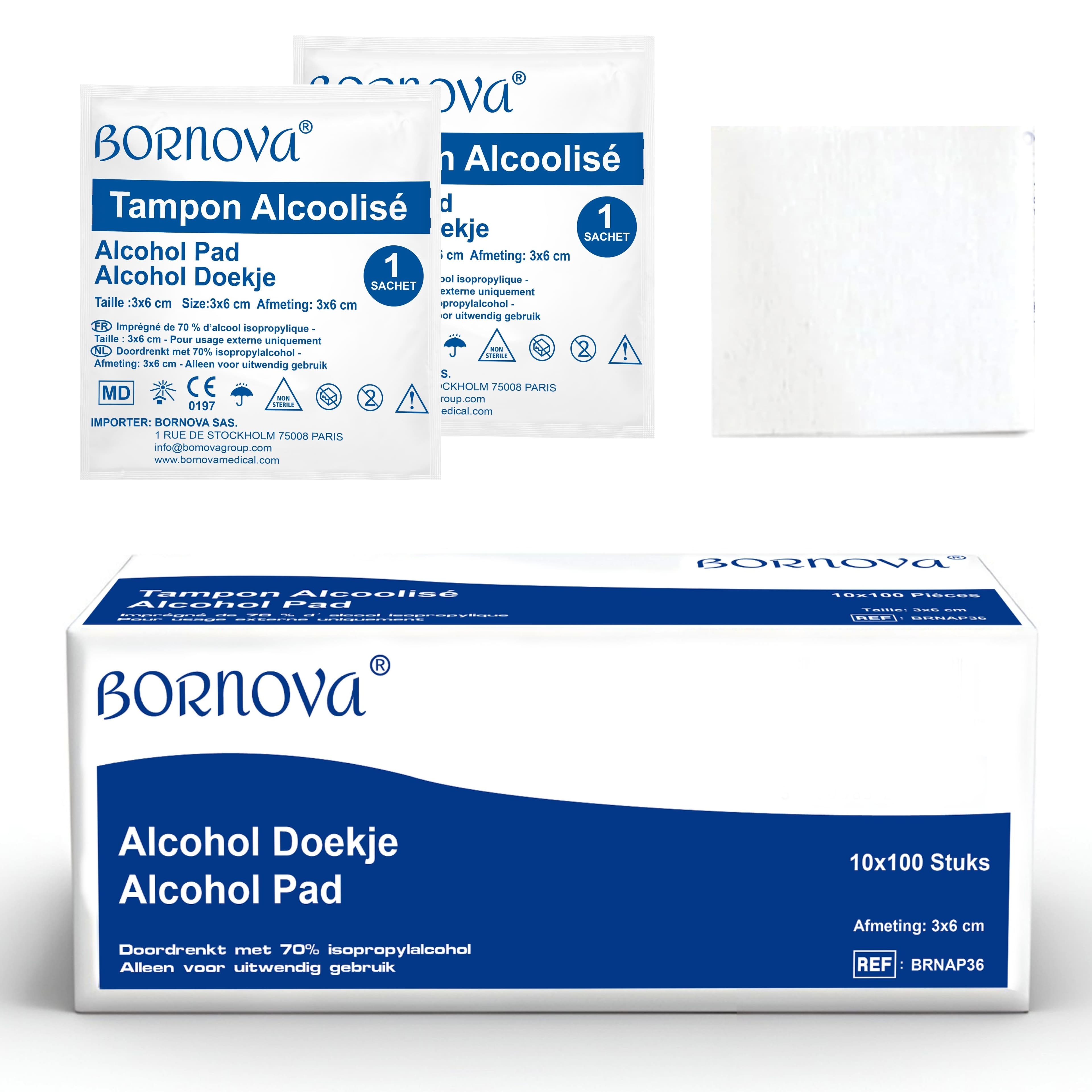
| BORNOVA — Alcohol Swabs | Individual swabs 3 × 6 cm | Isopropyl alcohol 70% | Biocide PT1 | Rapid disinfection of small non-invasive medical devices and their connectors. |
| BORNOVA — Alcohol Cotton Balls | Bottle of 30 balls | Isopropyl alcohol 70-80% | Biocide PT1 | Disinfection of intact skin before a procedure. Not recommended for equipment (risk of fiber shedding). |
The choice of a disinfectant must always be based on a precise analysis of needs, targeted pathogens[S8], and service specificities.
Staff training and protocols: the keys to effectiveness
Even a perfect protocol is useless without trained and rigorous staff. Continuous training is therefore the cornerstone of effectiveness. Teams must perfectly master:
- Techniques: order (from cleanest to dirtiest, from top to bottom), two-bucket technique, damp mopping.
- Product knowledge: spectrum of activity, contact time, dilution, and incompatibilities.
- Safety: wearing PPE and respecting usage precautions to protect against chemical exposure[S2].
Training must include practical simulations and regular evaluations to firmly establish good practices.
Common mistakes to avoid in hospital surface disinfection
Even a seemingly minor error can nullify the effectiveness of a disinfection protocol. Here are the most common ones to absolutely avoid:
- Not respecting contact time: Wiping a product too early cancels its disinfectant action. This is the most frequent and critical error.
- Confusing cleaning and disinfection: A surface must be clean BEFORE being disinfected. Applying a disinfectant to a soiled surface makes it largely ineffective.
- Forgetting contact points: Neglecting door handles, switches, bed rails, or keyboards in favor of large surfaces promotes hand-borne transmission[S7].
- Incorrect product dosage: Incorrect dilution makes the product either ineffective (under-dosing) or toxic and corrosive without gain in effectiveness (over-dosing).
The importance of continuous evaluation and adjustment of protocols
Infection risk control is a process of continuous improvement. A disinfection protocol is never static; it must be continuously evaluated and adjusted. This approach is based on several pillars:
- Practice audits: observing in the field to verify the correct application of protocols.
- Visual controls: inspecting surface cleanliness after bio-cleaning.
- Microbiological controls: taking surface samples (swabs) in high-risk areas to validate the effectiveness of bio-cleaning and detect potential pathogens (e.g., MDROs)[S1].
- Indicator monitoring: analyzing healthcare-associated infection (HAI) rates to measure the overall impact of the strategy.
Faced with the emergence of new pathogens or resistances, constant vigilance is necessary to quickly adapt strategies. A complete guide to hygiene and disinfection is a valuable resource for keeping protocols up to date.
Frequently Asked Questions
How to define risk zones in hospitals for disinfection?
A risk zone is defined by crossing two criteria: the nature of the medical procedures performed there (invasive or non-invasive) and the fragility of the patients staying there (immunocompromised, etc.). The NF S90-351 standard provides a reference framework with its 4 risk levels for carrying out this mapping.
What are the differences in disinfection protocols between a high-risk zone and a low-risk zone?
Everything changes: frequency, technicality, and level of requirement. A low-risk zone (office) only requires daily bio-cleaning. A high-risk zone (operating theater) requires bio-cleaning after each procedure, the use of broad-spectrum products, and strict, controlled terminal disinfection protocols.
What type of disinfection equipment is recommended for critical zones?
Single-use equipment is preferred to eliminate cross-contamination, broad-spectrum disinfectants (including sporicidal activity), and advanced technologies such as airborne disinfection (DSVA) to ensure exhaustive decontamination.
How to ensure the effectiveness of surface disinfection in hospitals?
Effectiveness relies on a winning combination: strict protocols based on zoning, perfectly trained staff, absolute adherence to product instructions (contact time, dilution), and regular quality controls (audits, microbiological sampling).
Sources
- Résumé SF2H 2017 - Prélèvements de surfacesf2h.net
- Résumé SF2H 2013 - Pratiques de désinfection des surfacessf2h.net
- Protocole de nettoyage en milieu hospitalier : guide completdnaps.fr
- Les zones à risque selon la norme 90-351 pour maîtriser ...airinspace.com
- Risque infectieux au bloc opératoire | Hygiène, prévention et contrôle de l'infectionhpci.ch
- Prévention des infections nosocomiales - WHO IRISiris.who.int
Recommended products
BORNOVA — Alcohol Swabs 70% Isopropyl 3 × 6 cm
Continue reading
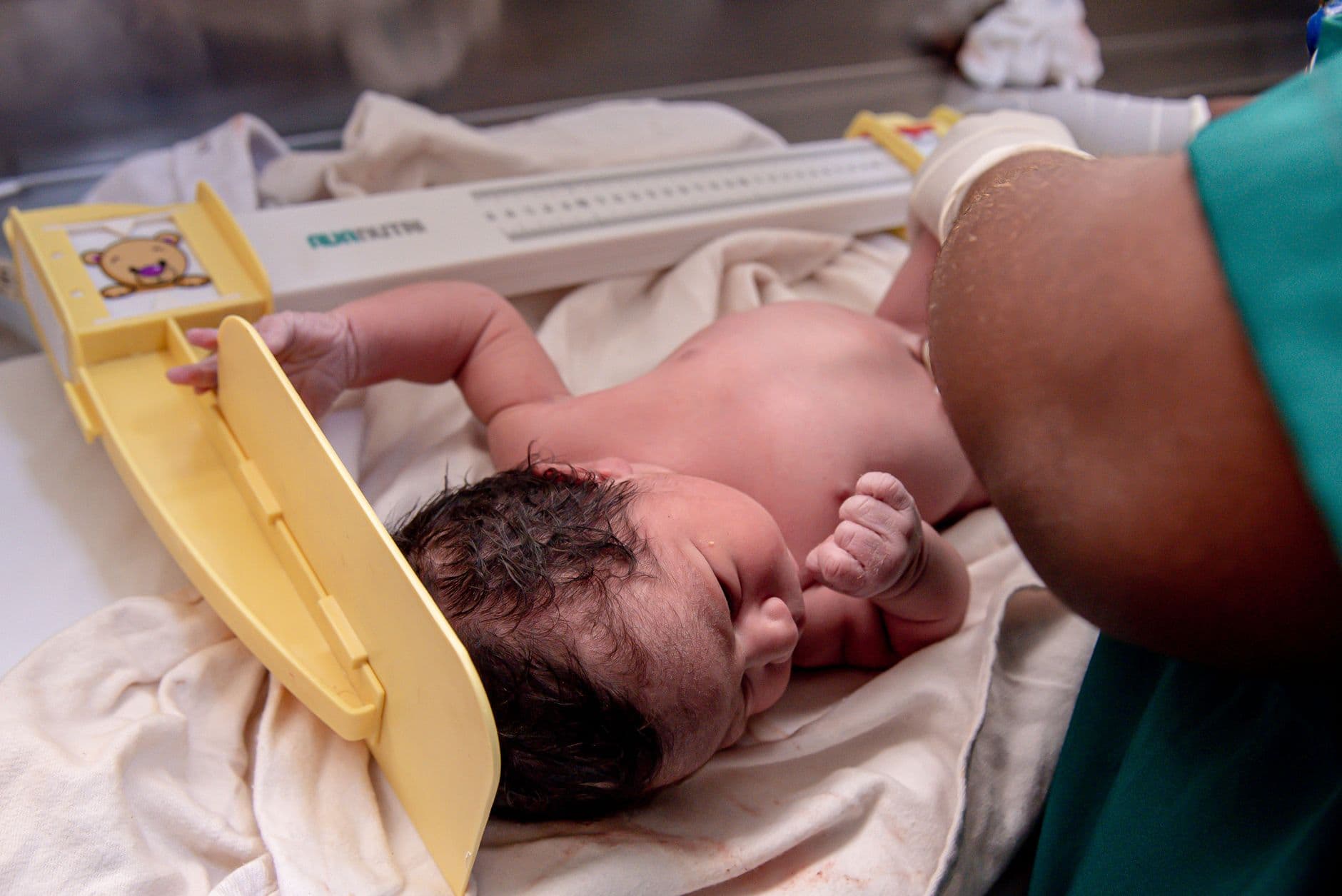 Dispositifs Médicaux Pédiatriques
Baby Care: Comparison and Selection Criteria for Healthcare Professionals
Healthcare professionals' buying guide: how to choose baby care devices? Key criteria, MDR compliance, TCO analysis, and mistakes to avoid to ensure safety and efficacy in pediatrics.
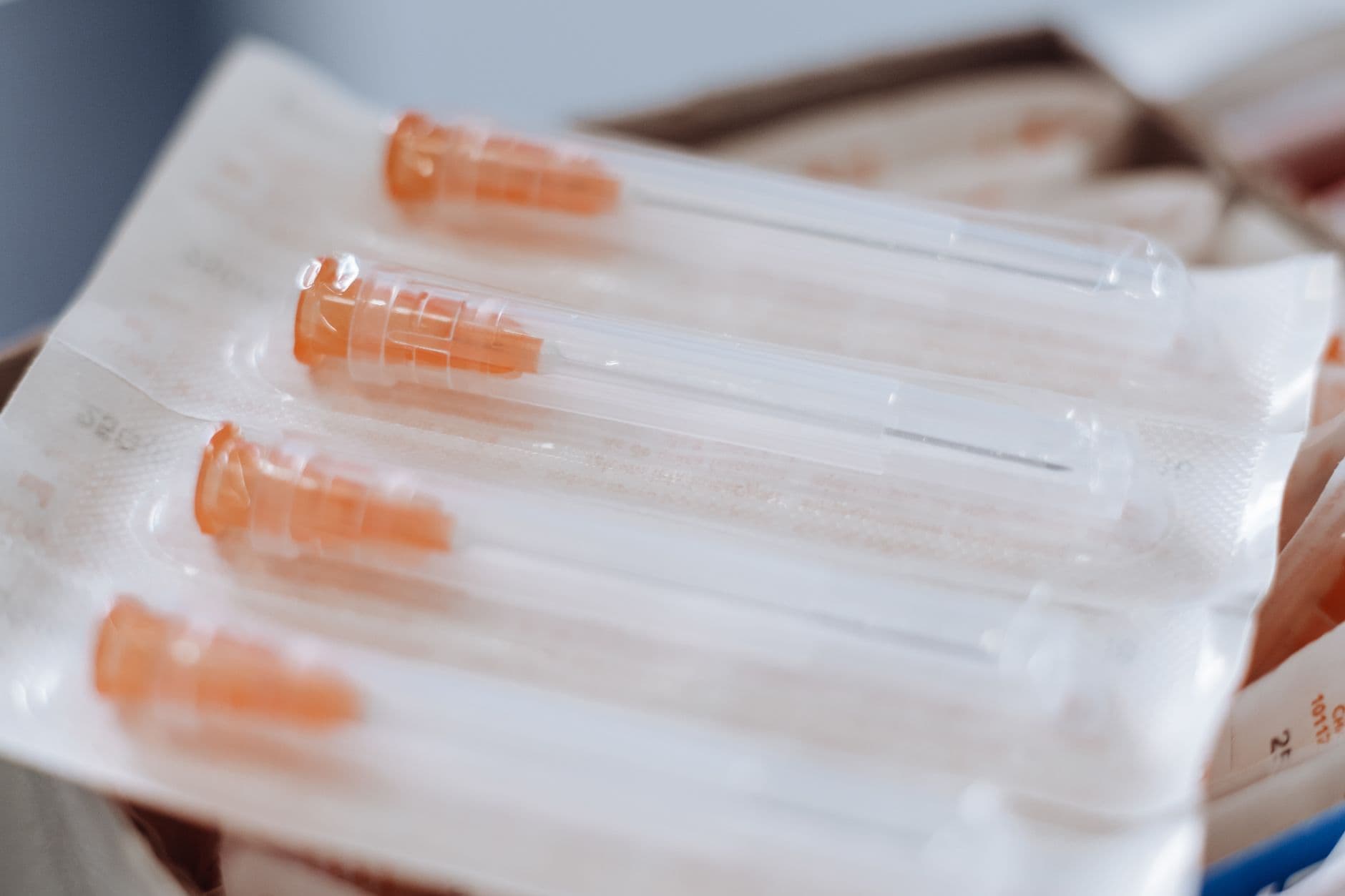 Sérum Physiologique
Bulk Saline Solution: A Professional Guide to Safe Procurement
Secure your B2B supply of saline solution. Our guide helps you assess regulatory compliance (MDR, CE), choose a reliable supplier, and manage batch recalls for patient safety.