

Expert buying guide for healthcare professionals: select the ideal nebulizer for your clinic or pharmacy. Compare technologies (compressor, mesh), evaluate performance, master regulatory standards (MDR, UDI), and apply hygiene protocols to ensure patient safety.
Choosing the right nebulizer is a crucial decision for a clinic or pharmacy. As a key medical device for aerosol therapy, it must meet strict requirements for performance, hygiene, and compliance. This guide helps you evaluate technologies, selection criteria for intensive use, regulatory standards, and maintenance protocols to ensure patient safety, treatment effectiveness, and the longevity of your equipment.
Understanding Nebulizers: Technologies and Operating Principles
A nebulizer transforms a liquid medication into an aerosol for targeted inhalation into the respiratory tract. There are three main technologies: compressor (pneumatic), ultrasonic, and vibrating mesh. Each has advantages and disadvantages that determine its optimal clinical use.
Compressor Nebulizers (Pneumatic)
The compressor nebulizer uses a jet of air to atomize the medication. Robust and versatile, it is compatible with most medications, including more viscous ones like certain antibiotics or corticosteroids. However, it is noisy and bulky, which often reserves it for fixed use in a practice or hospital.
Ultrasonic Nebulizers
This type of nebulizer uses ultrasound to transform the liquid into an aerosol. Faster and much quieter than a compressor model, its main drawback is that it heats the medication. This heat risks degrading thermosensitive molecules (corticosteroids, bronchodilators), which limits its compatibility and can compromise treatment effectiveness.
Vibrating Mesh Nebulizers (Mesh)
Mesh technology uses a vibrating membrane pierced with micro-holes to generate a fine and homogeneous aerosol. It combines the advantages of other models: silence, speed, compactness, and efficiency, without heating the medication. Thanks to its portability and low residual volume, it is the ideal choice for outpatient, pediatric use, or for rental in pharmacies.
Essential Criteria for Choosing a Professional Nebulizer
To choose a professional nebulizer, evaluate four key criteria beyond price: drug compatibility, patient profile, context of use, and hygiene constraints. This analysis ensures a safe, effective, and suitable investment for your needs.
1. Drug Compatibility and Nebulization Performance
The key performance of a nebulizer is its ability to generate particles of the correct size, or MMAD (Mass Median Aerodynamic Diameter), to reach the target area of the respiratory tree:
- Particles > 8 µm: Upper airways (pharynx, larynx).
- Particles from 5 to 8 µm: Large bronchi.
- Particles from 1 to 5 µm: Lower respiratory tract (small bronchi and alveoli).
Check that the device is compatible with your medications (solutions, suspensions) [S1] and that it produces the required particle size. The residual volume (unnebulized medication) must also be minimal to ensure the administration of the full dose and avoid waste.
2. Patient Population and Administration Interface
Adapt the device and its interface to the patient. For children, elderly, or anxious individuals, prioritize a fast and quiet model to improve treatment adherence. The choice of interface is equally crucial [S8]:
- Mouthpiece: To be preferred in adults and cooperative children to maximize pulmonary deposition by limiting nasal losses.
- Face mask: Necessary for young children and patients unable to use a mouthpiece. It must be well-fitted to the face to avoid leaks and ocular deposition.
3. Context of Use and Robustness
The choice of nebulizer depends on its operating environment. A high-volume patient clinic will prefer a robust compressor model, designed for intensive use and frequent disinfection. For pharmacy rental or home care, the portability, simplicity, and autonomy of a mesh nebulizer are decisive advantages.
4. Cleaning and Disinfection Protocols
The prevention of infectious risk is a non-negotiable criterion. A poorly maintained nebulizer can become a source of nosocomial infections [S2]. Ensure that the device is easy to disassemble and that its materials are compatible with your disinfection protocols, in accordance with the recommendations of the Société Française d'Hygiène Hospitalière (SF2H) [S4].
Standards and Regulations: Ensuring Safety and Traceability
To ensure patient safety and cover your liability, make sure that any nebulizer purchased complies with the regulations in force for medical devices. Two points are essential: CE marking and UDI identifier.

First, check for the CE marking, which certifies compliance with Regulation (EU) 2017/745 (MDR). This regulation imposes strict requirements on clinical evidence, risk management, and post-market surveillance. Our complete guide to medical device regulation details this topic. In France, the Agence Nationale de Sécurité du Médicament et des produits de santé (ANSM) supervises the safety of these products [S3].
Second, demand the presence of a Unique Device Identifier (UDI). This code ensures perfect traceability of each device, which is essential for fleet management, batch recalls, and materiovigilance. Integrating UDI into your processes is a guarantee of safety and efficiency [S5].
Specific Use Cases: Adapting the Nebulizer to Clinical Needs
The ideal nebulizer depends on its clinical application. Adapting the choice of technology to the context of use is essential to optimize the quality of care and the relevance of the investment.
- Intensive use in clinic/practice: Prioritize robustness, speed, and ease of disinfection. Hospital-grade compressor models are often the most suitable.
- Rental or sale in pharmacies: Focus on simplicity, portability, silence, and autonomy. Nebulizers with mesh technology perfectly meet these needs.
- Chronic pathologies (COPD, asthma, cystic fibrosis): The effectiveness of pulmonary deposition is critical. Models guaranteeing controlled particle size and low residual volume, such as mesh nebulizers, are to be preferred.
- Pediatric use: Silence, speed, and adapted pediatric masks are essential not to frighten the child and to ensure treatment effectiveness.
Maintenance and Hygiene: Extending Lifespan and Ensuring Safety
Rigorous hygiene and maintenance are crucial to ensure the safety and effectiveness of the nebulizer. Poor maintenance alters device performance and creates a risk of cross-contamination [S2].
Strictly follow the manufacturer's instructions for cleaning and disinfection after each use. Reusable components (nebulizer kit, mask) must be treated according to validated procedures, such as those of the SF2H [S4]. For an overview, our guide on hygiene and disinfection may be useful.
Regularly replace consumables (air filters for compressors, tubing, masks, nebulizer kits) according to the manufacturer's recommendations. Implementing a preventive maintenance plan is good practice to preserve the performance of your fleet and control infectious risks.
Comparison of Nebulizer Technologies: Decision Aid
To help you choose, this table compares the three nebulizer technologies based on the most important professional criteria.
| Criterion | Compressor Nebulizer | Ultrasonic Nebulizer | Vibrating Mesh Nebulizer (Mesh) |
|---|---|---|---|
| Drug Compatibility | Excellent (including viscous solutions and suspensions) | Limited (risk of degradation of thermosensitive molecules) | Excellent (no heating, preserves drug integrity) |
| Portability / Size | Low (tabletop device, bulky) | Medium to High (often compact) | Excellent (very compact, often battery-powered) |
| Noise Level | High (> 55 dB) | Very Low (almost silent) | Very Low (almost silent) |
| Nebulization Speed | Medium | Fast | Very Fast |
| Residual Volume | Medium (significant drug loss) | High | Very Low (optimizes administered dose) |
| Total Cost of Ownership (TCO) | Low (purchase) but regular consumables (filters) | Medium | Medium to High (purchase) but very efficient |
Tips for Purchasing and Integration into Your Facility
Purchasing a nebulizer goes beyond the product itself. Integrate it into a global strategy by evaluating the supplier, staff training, and equipment lifecycle management.

Evaluate the Total Cost of Ownership (TCO), which includes purchase, consumables, maintenance, and disinfection. Choose a distributor offering compliant products, responsive after-sales service, and expert advice to optimize your B2B medical supply. Finally, don't forget to train your teams: correct use and maintenance are guarantees of the safety, effectiveness, and durability of your devices.
Frequently Asked Questions
What are the different types of nebulizers and their specific applications in a professional setting?
There are three types: compressor (robust, for intensive clinical use), ultrasonic (silent, but beware of thermosensitive medications), and vibrating mesh (mesh) (compact and efficient, perfect for rental, pediatrics, and outpatient care).
How can clinics and pharmacies ensure the regulatory compliance of nebulizers?
Always demand the CE marking certifying compliance with MDR Regulation (EU) 2017/745. Also ensure that the device has a Unique Device Identifier (UDI) for complete traceability [S5] and work with suppliers who can provide all necessary documentation.
What performance criteria should be prioritized for a nebulizer intended for intensive clinical use?
For intensive use, prioritize robustness, nebulization speed, ease of cleaning, and compatibility with a wide range of medications. Also consider the cost and availability of consumables.
How to optimize nebulizer hygiene and maintenance to prevent nosocomial infections?
Strictly apply the manufacturer's protocols and SF2H [S4] recommendations for cleaning and disinfection after each patient. Regular replacement of consumables (filters, kits) is also essential to control infectious risk [S2].
How does the Unique Device Identifier (UDI) impact the management of nebulizers in healthcare facilities?
The UDI [S5] transforms fleet management by ensuring perfect traceability of each device. It simplifies inventories, accelerates product recalls in case of problems, and strengthens materiovigilance, thereby directly improving patient safety.
Sources
- L'UTILISATION DES MÉDICAMENTS ESSENTIELS - IRISiris.who.int
- L'aérosolthérapie par nébulisation - DUMASdumas.ccsd.cnrs.fr
- ANSM : Agence nationale de sécurité du médicament et des produits de santéarchive.ansm.sante.fr
- Identifiant unique des dispositifs (UDI) - Public Healthhealth.ec.europa.eu
- Hygiène et prévention du risque infectieux en cabinet médical ... - HAShas-sante.fr
- Guide de bonnes pratiques de traitement des dispositifs médicaux ... - SF2Hsf2h.net
Recommended products
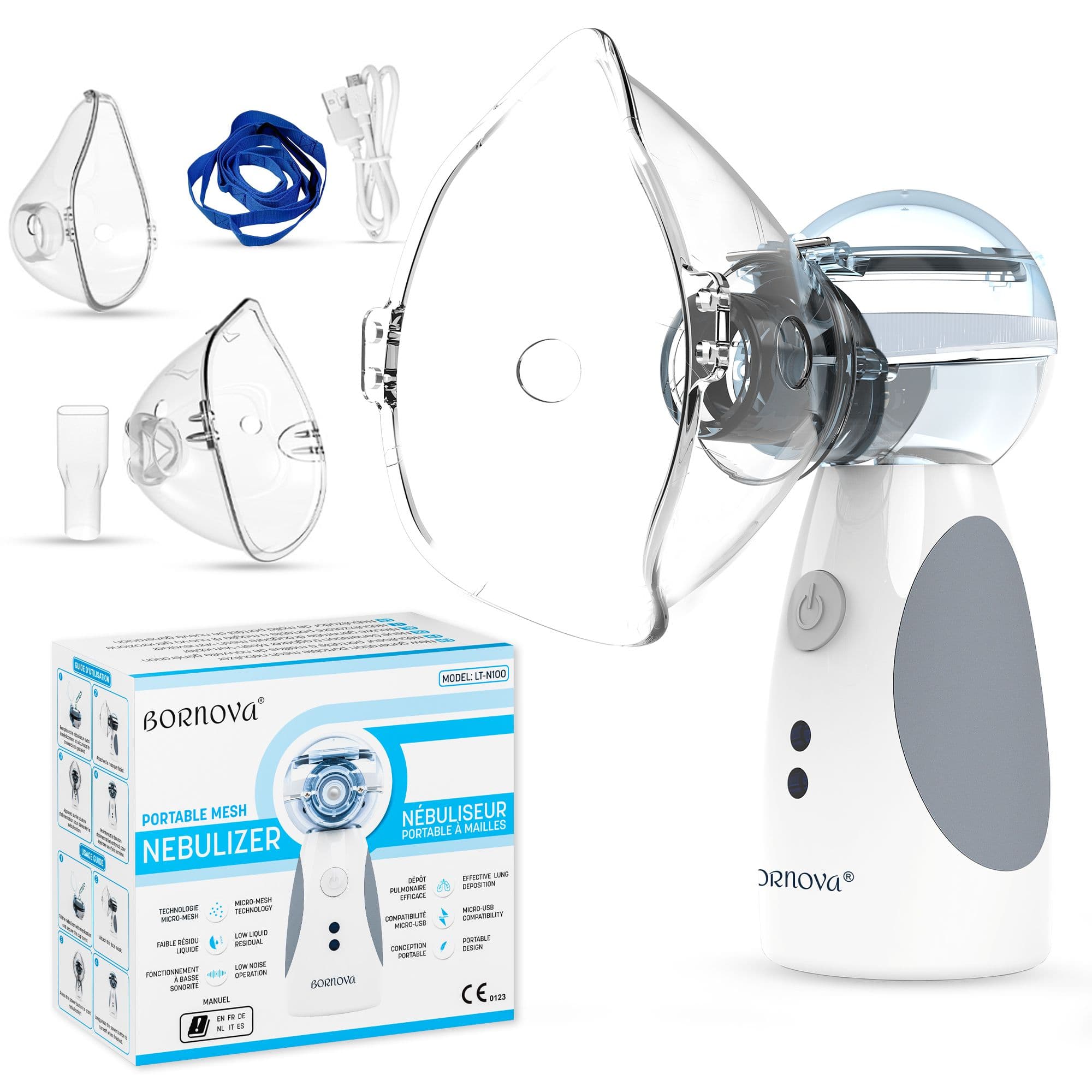
BORNOVA — Portable rechargeable mesh nebuliser
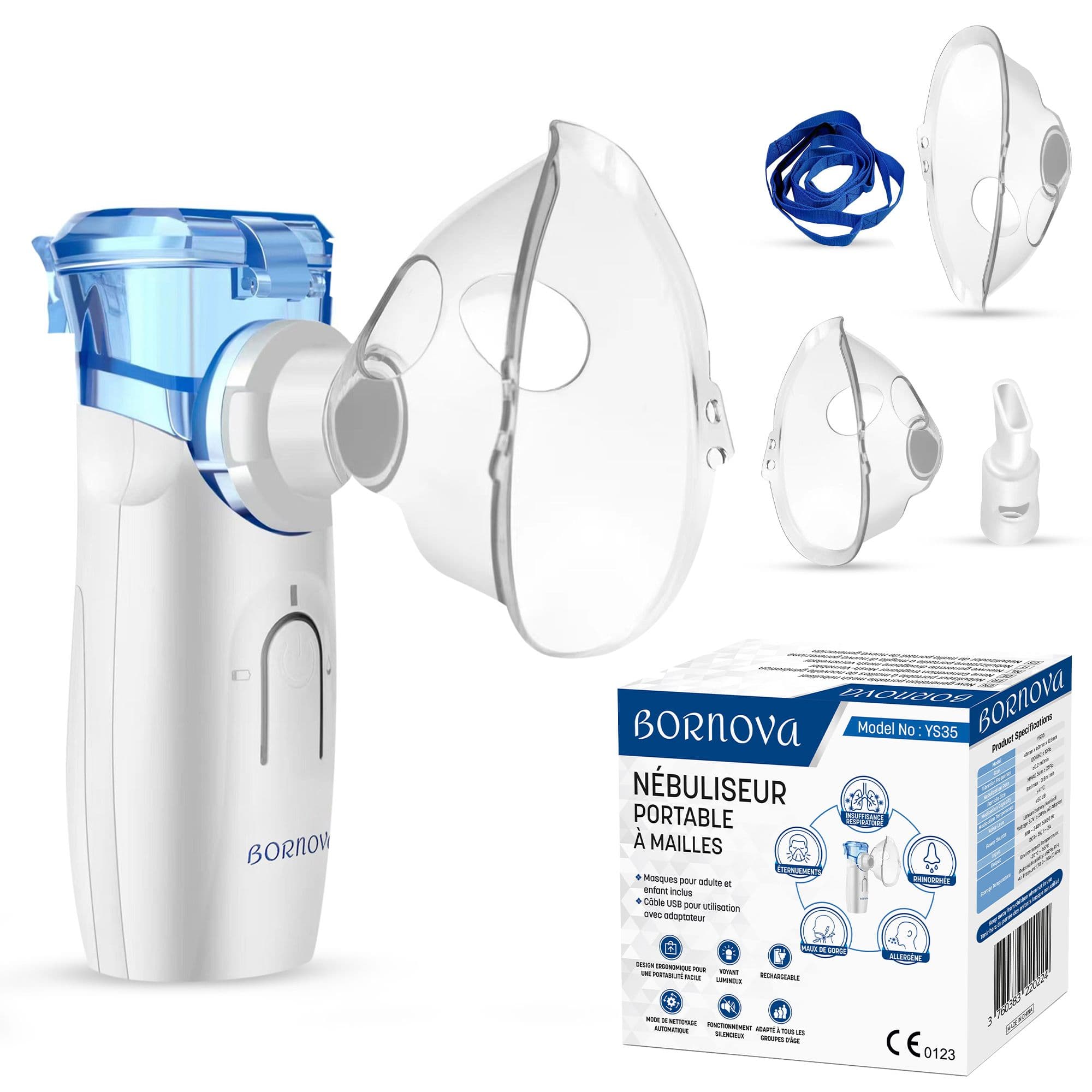
BORNOVA — Rechargeable portable mesh nebuliser YS35
Continue reading
 Incontinence
Incontinence: A Purchasing Guide for Clinics and Pharmacies
A practical guide for clinic and pharmacy buyers. Discover how to choose the right incontinence devices by balancing clinical needs, regulatory compliance, and logistical efficiency to improve care quality.
 Oxymètre de Pouls
Choosing Your Oximeter: A Professional Buyer's Guide for Clinics & Pharmacies
A comprehensive guide to choosing the right professional pulse oximeter. Compare types (fingertip, remote sensor), understand key criteria (SpO2, PI, plethysmography), and standards (CE MDR, ISO 13485) for a reliable purchase in clinics or pharmacies.